


 |
市場調查報告書
商品編碼
2116390
英國膠原蛋白:市佔率分析、產業趨勢與統計及成長預測(2026-2031)United Kingdom Collagen - Market Share Analysis, Industry Trends & Statistics, Growth Forecasts (2026 - 2031) |
||||||

※ 本網頁內容可能與最新版本有所差異。詳細情況請與我們聯繫。
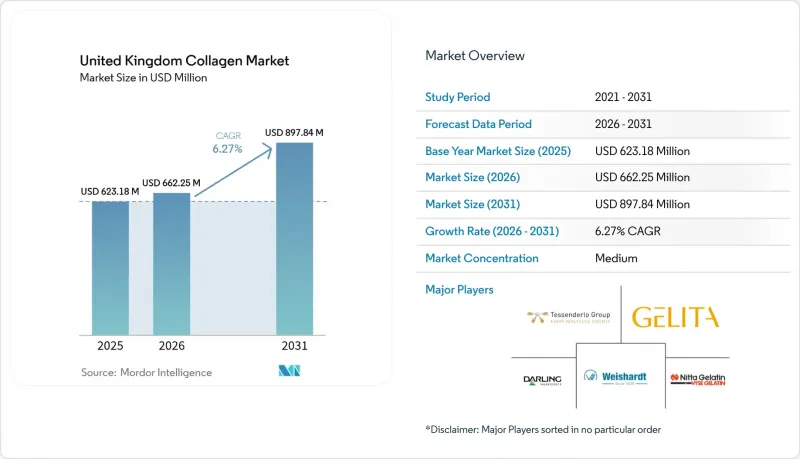
據 Mordor Intelligence 稱,英國膠原蛋白市場預計到 2026 年價值 6.6225 億美元,高於 2025 年的 6.2318 億美元,預計到 2031 年將達到 8.9784 億美元。
預計 2026 年至 2031 年的複合年成長率為 6.27%。
本報告按原料(動物源性、海洋源性)和最終用戶/應用(食品飲料、營養補充劑、個人護理和化妝品、藥品、動物飼料)進行細分。市場預測以貨幣價值(美元)表示。
英國膠原蛋白市場的趨勢與洞察
人口老化加劇了人們對關節和皮膚健康的擔憂。
隨著65歲及以上人口的持續成長,支持運動功能和皮膚健康的解決方案市場也不斷擴大。參與隨機對照試驗的老年人透過物理治療和每日服用膠原蛋白肽,顯著改善了關節功能並維持了瘦體重。這群人往往願意投資於能夠提升生活品質的產品,而且他們的購買力也足以支撐較高的價格。此外,英國國家醫療服務體系(NHS)創傷護理產品因其可靠性和有效性而享有盛譽,其臨床應用也增強了人們對膳食補充劑功效的信心。隨著「積極老化」概念的日益普及,產品研發人員正將膠原蛋白與維生素C和透明質酸結合,打造出能夠解決多種健康問題的綜合配方,例如皮膚彈性、保濕和關節健康。這吸引了那些注重整體健康、積極管理自身健康的長者。
運動營養和高蛋白生活方式促進生長
隨著越來越多的都市區消費者將肌力訓練和復原計畫融入日常生活,他們開始關注膠原蛋白。他們重視膠原蛋白作為一種功能性蛋白質的價值,並注意到其獨特的甘氨酸和脯氨酸比例,這與乳清蛋白有所不同。這種比例賦予了膠原蛋白許多益處,例如肌肉修復、關節健康和皮膚彈性。便利的即飲飲料和點心等形式,方便人們輕鬆攝入,同時又不影響營養目標,完美契合忙碌的生活方式。此外,胜肽技術使膠原蛋白的吸收速度比天然蛋白質快四倍,使其成為運動後恢復和日常健康維護的理想選擇。膠原蛋白曾經是精英運動員的專屬,如今已受到更廣泛的人群的青睞,包括健身愛好者、老年人和追求整體健康的人士。行銷訊息也不斷演變,不再只關注肌肉成長,而是轉向強調身體組成、關節支持、皮膚健康和結締組織彈性等綜合方法。
素食主義的興起與倫理問題
英國是歐洲純素主義普及率最高的國家之一,顯著影響了動物源膠原蛋白的銷售。為了因應消費者偏好的變化,各大品牌正在探索創新方法,例如推出重組發酵胜肽,如贏創的“Vecollage Fortify L”,它無需依賴動物源成分即可複製I型和III型膠原蛋白的序列。這些替代品不僅滿足了純素消費者的需求,也符合消費者對永續和符合道德規範產品的日益成長的需求。此外,重組發酵技術能夠實現擴充性生產並維持生產的穩定性,從而解決傳統膠原蛋白來源所面臨的挑戰。為了有效吸引彈性素食者和懷疑的消費者,品牌需要確保透明度,在產品標籤上顯著標明“無動物實驗”和“低碳足跡”,同時贏得具有環保意識的消費者的信任。
細分市場分析
2025年,動物性胜肽在英國膠原蛋白市場佔據穩固主導,市佔率高達67.62%。這項優勢主要歸功於成熟的供應鏈、具有競爭力的價格以及消費者對牛和豬源性成分的熟悉程度。儘管人們對永續性的關注日益增加,但動物源性膠原蛋白在膳食補充劑、機能性食品和個人保健產品中的廣泛應用確保了其持續受歡迎。英國製造商受益於成熟的加工基礎設施和可靠的採購管道,從而獲得穩定的價格優勢。零售商也意識到了這種需求,並為這些傳統產品形式分配了大量的貨架空間。因此,儘管人們對替代成分的興趣日益濃厚,但動物性胜肽仍然是英國膠原蛋白市場的堅實基礎,確保了市場的穩定性和獲利能力。
同時,儘管起步規模不大,但海洋膠原蛋白和生物技術衍生膠原蛋白正經歷快速成長,並吸引了大量投資。海洋膠原蛋白的吸收速度是一般膠原蛋白的四倍,因此在運動營養、血糖值控制飲料和積極生活方式等市場需求特別旺盛。永續性措施進一步提升了海洋膠原蛋白的吸引力,各大品牌紛紛強調透過有效利用魚類加工產品實現零浪費策略。這與英國消費者日益成長的循環經濟理念完美契合。生物技術衍生膠原蛋白雖然需要大量資金投入,但憑藉其批次間品質的穩定性,已開闢出一片獨特的市場。化妝品開發商高度重視這項特性,因為它有助於實現理想的質地和功效。英國食品標準局 (FSA) 對「新型食品」核准流程的澄清,降低了監管門檻,促進了發酵衍生分子的引入。此外,格蘭傑茅斯和普利茅斯地區對精煉設施的投資,正在加強當地的供應鏈,尤其是在英國脫歐後不斷變化的貿易環境中。總體而言,海洋來源和生物技術來源的膠原蛋白不僅正在改變競爭格局,而且還將這一類別從一個普通的產品提升為一種強調代謝健康益處的專業功能性生物活性成分。
其他好處:
- Excel格式的市場預測(ME)表
- 3個月的分析師支持
目錄
第1章:引言
- 研究假設和市場定義
- 調查範圍
第2章:調查方法
第3章執行摘要
第4章 市場狀況
- 市場概覽
- 市場促進因素
- 一個老化社會正在尋求關節和皮膚健康益處
- 運動營養與高蛋白生活方式的推廣
- 英國美容及營養化妝品市場的蓬勃發展
- 英國國家醫療服務體系 (NHS) 中膠原蛋白蛋白基生物材料在創傷護理中的應用現狀
- 擴大英國永續海洋膠原蛋白供應鏈
- 基於訂閱的D2C電子商務模式
- 市場限制因素
- 素食主義的興起與倫理問題
- 畜產品原料價格波動
- 與新型膠原蛋白成分相關的「新型食品」面臨的監管障礙。
- 消費者對未經證實的健康益處的說法持懷疑態度
- 供應鏈分析
- 監理情勢
- 技術展望
- 波特五力模型
第5章 市場規模與成長預測
- 來源
- 動物源性
- 海洋來源
- 最終用戶/應用程式特定
- 食品/飲料
- 營養補充品
- 個人護理化妝品
- 製藥
- 動物飼料
第6章 競爭情勢
- 市場集中度
- 策略趨勢
- 市場排名分析
- 公司簡介
- Darling Ingredients(Rousselot)
- GELITA AG
- Nitta Gelatin Inc.
- Tessenderlo Group(PB Gelatins)
- Weishardt Holding SA
- Vital Proteins LLC
- Collagen Solutions plc
- Hunter & Gather Foods Ltd
- Proto-col(On Group Ltd)
- Bare Biology Ltd
- Revive Collagen(Rejuvenated Ltd)
- Planet Paleo Ltd
- Primal Living Ltd
- Your Good Health Co Ltd
- Ewald-Gelatine GmbH
- Italgelatine SpA
- Lapi Gelatine SpA
- SAS Gelatines Weishardt
- Integra LifeSciences Corp.
- Rousselot BV(Peptan)
第7章 市場機會與未來展望
According to Mordor Intelligence, United Kingdom collagen market size in 2026 is estimated at USD 662.25 million, growing from 2025 value of USD 623.18 million with 2031 projections showing USD 897.84 million, growing at 6.27% CAGR over 2026-2031.
This report is Segmented by Source (Animal-Based, Marine-Based), End User/Application (Food and Beverages, Dietary Supplements, Personal Care and Cosmetics, Pharmaceuticals, Animal Nutrition). The Market Forecasts are Provided in Terms of Value (USD).
United Kingdom Collagen Market Trends and Insights
Ageing population seeking joint and skin health benefits
With the number of citizens aged 65 and older steadily increasing, the market for mobility and skin health solutions is expanding. Seniors participating in randomized-controlled trials showed marked improvements in joint function and retention of lean mass through physiotherapy and daily collagen peptide intake. This demographic's purchasing power allows for premium pricing, as they are often willing to invest in products that enhance their quality of life. Additionally, the trust in supplement efficacy is heightened by the clinical spill-over from NHS wound-care products, which have established a strong reputation for reliability and effectiveness. As the mindset of active aging becomes more prevalent, formulators are combining collagen with vitamin C and hyaluronic acid, creating holistic benefit stacks that address multiple health concerns, such as skin elasticity, hydration, and joint health, appealing to self-managing seniors who prioritize overall well-being.
Growth of sports-nutrition and high-protein lifestyles
Urban consumers, increasingly adopting strength training and recovery routines, are turning to collagen. They value it as a functional protein, noting its unique glycine and proline ratios, which differ from those found in whey and contribute to its distinct benefits for muscle repair, joint health, and skin elasticity. Convenient formats like ready-to-drink beverages and snacks cater to their on-the-go lifestyle, offering ease of consumption without compromising nutritional goals. This is further enhanced by peptide technologies, boasting absorption rates four times faster than native proteins, which makes collagen an efficient option for post-workout recovery and daily wellness. Once the domain of elite athletes, this segment now appeals to a broader lifestyle audience, including fitness enthusiasts, aging populations, and individuals seeking overall wellness. The marketing narrative has evolved too, shifting focus from mere muscle-building to a holistic approach emphasizing body composition, joint support, skin health, and the resilience of connective tissues.
Rising veganism and ethical concerns
With one of Europe's highest rates of vegan adoption, the United Kingdom is significantly impacting the sales of animal-derived collagen. This shift in consumer preferences has prompted brands to innovate by introducing recombinant-fermentation peptides, such as Evonik's Vecollage Fortify L, which replicate Type I and III collagen sequences without relying on animal inputs. These alternatives not only cater to vegan consumers but also align with the growing demand for sustainable and ethical products. Additionally, recombinant-fermentation technology offers scalability and consistency in production, addressing challenges associated with traditional collagen sourcing. To effectively appeal to flexitarian skeptics, brands must prominently emphasize cruelty-free sourcing and reduced carbon footprints on the front label, ensuring transparency and building trust with environmentally conscious consumers.
Other drivers and restraints analyzed in the detailed report include:
- Beauty and nutricosmetics boom in the United Kingdom
- NHS uptake of collagen-based wound-care biomaterials
- Volatile livestock-derived raw-material pricing
For complete list of drivers and restraints, kindly check the Table Of Contents.
Segment Analysis
In 2025, the UK collagen market saw animal-derived peptides firmly at the helm, commanding a robust 67.62% market share. This dominance is largely attributed to established supply chains, competitive pricing, and a consumer base well-acquainted with bovine and porcine sources. Even with rising sustainability concerns, the versatility of animal collagen in nutraceuticals, functional foods, and personal care ensures its continued preference. UK manufacturers enjoy the advantages of a seasoned processing infrastructure and dependable sourcing channels, leading to consistent pricing benefits. Retailers, recognizing the demand, allocate prime shelf space to these traditional formats. Thus, while there's a burgeoning interest in alternative sources, animal peptides steadfastly anchor the UK's collagen market, ensuring both stability and revenue.
On the other hand, marine and biotech collagen formats, though starting from a smaller base, are witnessing rapid growth and attracting significant investments. Marine collagen, boasting a systemic absorption rate four times faster, is particularly sought after in sports nutrition, glycemic-control beverages, and markets catering to active lifestyles. Its appeal is further bolstered by sustainability credentials, with brands emphasizing zero-waste strategies by valorizing fish-processing by-products. This aligns seamlessly with the UK's rising consumer inclination towards circular economy principles. Biotech collagen, while demanding substantial capital, is carving its niche due to its consistent batch quality, a trait highly valued by cosmetic formulators for achieving desired texture and performance. The FSA's clearer Novel Food pathway is streamlining the adoption of fermentation-derived molecules by easing regulatory hurdles. Additionally, regional investments in purification units at Grangemouth and Plymouth are fortifying local supply chains, especially in the evolving post-Brexit trade landscape. Collectively, marine and biotech collagens are not just reshaping the competitive arena but are elevating the category from mere commodities to specialized functional bioactives, emphasizing metabolic health benefits.
Complete Report Scope:
- By Source
- Animal-based
- Marine-based
- By End User/Application
- Food and Beverages
- Dietary Supplements
- Personal Care and Cosmetics
- Pharmaceuticals
- Animal Nutrition
List of Companies Covered in this Report:
- Darling Ingredients (Rousselot)
- GELITA AG
- Nitta Gelatin Inc.
- Tessenderlo Group (PB Gelatins)
- Weishardt Holding SA
- Vital Proteins LLC
- Collagen Solutions plc
- Hunter & Gather Foods Ltd
- Proto-col (On Group Ltd)
- Bare Biology Ltd
- Revive Collagen (Rejuvenated Ltd)
- Planet Paleo Ltd
- Primal Living Ltd
- Your Good Health Co Ltd
- Ewald-Gelatine GmbH
- Italgelatine S.p.A.
- Lapi Gelatine SpA
- SAS Gelatines Weishardt
- Integra LifeSciences Corp.
- Rousselot BV (Peptan)
Additional Benefits:
- The market estimate (ME) sheet in Excel format
- 3 months of analyst support
TABLE OF CONTENTS
1 INTRODUCTION
- 1.1 Study Assumptions and Market Definition
- 1.2 Scope of the Study
2 RESEARCH METHODOLOGY
3 EXECUTIVE SUMMARY
4 MARKET LANDSCAPE
- 4.1 Market Overview
- 4.2 Market Drivers
- 4.2.1 Ageing population seeking joint and skin health benefits
- 4.2.2 Growth of sports-nutrition and high-protein lifestyles
- 4.2.3 Beauty and nutricosmetics boom in the UK
- 4.2.4 NHS uptake of collagen-based wound-care biomaterials
- 4.2.5 Expansion of sustainable UK marine collagen supply chain
- 4.2.6 Subscription-driven D2C e-commerce models
- 4.3 Market Restraints
- 4.3.1 Rising veganism and ethical concerns
- 4.3.2 Volatile livestock-derived raw-material pricing
- 4.3.3 Novel-Food regulatory hurdles for new collagen sources
- 4.3.4 Consumer scepticism over unverified health claims
- 4.4 Supply Chain Analysis
- 4.5 Regulatory Landscape
- 4.6 Technological Outlook
- 4.7 Porter's Five Forces
- 4.7.1 Bargaining Power of Suppliers
- 4.7.2 Bargaining Power of Buyers
- 4.7.3 Threat of New Entrants
- 4.7.4 Threat of Substitutes
- 4.7.5 Competitive Rivalry
5 MARKET SIZE AND GROWTH FORECASTS (VALUE)
- 5.1 By Source
- 5.1.1 Animal-based
- 5.1.2 Marine-based
- 5.2 By End User/Application
- 5.2.1 Food and Beverages
- 5.2.2 Dietary Supplements
- 5.2.3 Personal Care and Cosmetics
- 5.2.4 Pharmaceuticals
- 5.2.5 Animal Nutrition
6 COMPETITIVE LANDSCAPE
- 6.1 Market Concentration
- 6.2 Strategic Moves
- 6.3 Market Ranking Analysis
- 6.4 Company Profiles (includes Global level Overview, Market level overview, Core Segments, Financials as available, Strategic Information, Market Rank/Share for key companies, Products and Services, and Recent Developments)
- 6.4.1 Darling Ingredients (Rousselot)
- 6.4.2 GELITA AG
- 6.4.3 Nitta Gelatin Inc.
- 6.4.4 Tessenderlo Group (PB Gelatins)
- 6.4.5 Weishardt Holding SA
- 6.4.6 Vital Proteins LLC
- 6.4.7 Collagen Solutions plc
- 6.4.8 Hunter & Gather Foods Ltd
- 6.4.9 Proto-col (On Group Ltd)
- 6.4.10 Bare Biology Ltd
- 6.4.11 Revive Collagen (Rejuvenated Ltd)
- 6.4.12 Planet Paleo Ltd
- 6.4.13 Primal Living Ltd
- 6.4.14 Your Good Health Co Ltd
- 6.4.15 Ewald-Gelatine GmbH
- 6.4.16 Italgelatine S.p.A.
- 6.4.17 Lapi Gelatine SpA
- 6.4.18 SAS Gelatines Weishardt
- 6.4.19 Integra LifeSciences Corp.
- 6.4.20 Rousselot BV (Peptan)
7 MARKET OPPORTUNITIES AND FUTURE OUTLOOK

 全球膠原蛋白市場,2026-2030年
 2026年重組人源化膠原膠原蛋白全球市場報告
 印度膠原蛋白:市場佔有率分析、產業趨勢與統計及成長預測(2026-2031)南美洲膠原蛋白:市場佔有率分析、產業趨勢與統計及成長預測(2026-2031 年)亞太地區膠原蛋白:市佔率分析、產業趨勢與統計及成長預測(2026-2031)歐洲膠原蛋白:市場佔有率分析、產業趨勢與統計及成長預測(2026-2031)
 無端肽膠原蛋白市場規模、佔有率和成長分析:按原料、純化形式、應用、最終用戶和地區分類-2026-2033年產業預測
 膠原蛋白市場:2026-2032年全球市場預測(依膠原蛋白類型、原料、形態、萃取製程、等級、應用及銷售管道)
 膠原蛋白市場-全球產業規模、佔有率、趨勢、機會與預測:按產品、原料、應用、地區和競爭格局分類,2021-2031年
 植物來源膠原蛋白市場:依原料、產品類型、應用、功能、通路和地區分類。