


 |
市場調查報告書
商品編碼
1951144
全球防務VLF/HF/UHF艦艇無線電市場(2026-2036)Global Defense VLF / HF / UHF Naval Radios Market 2026-2036 |
||||||

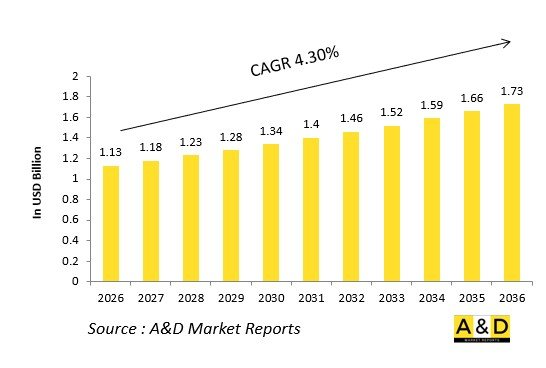
2026年全球防務用VLF/HF/UHF艦艇無線電市場規模估計為11.3億美元,預計到2036年將達到17.3億美元,2026年至2036年的年複合成長率(CAGR)為4.30%。
引言:
全球防務VLF/HF/UHF艦艇無線電市場為潛艦、水面作戰艦艇和兩棲部隊的超視距通訊提供了強大的基礎。這些頻段在水下和惡劣的電離層環境中具有極佳的穿透力,即使衛星通訊中斷也能確保指揮的連續性。日益成長的水下和反介入/區域拒止(A2/AD)威脅推動了對具備天波和地波傳播能力的緊湊型高功率發射機的需求。創新技術將傳統可靠性與數位訊號處理相結合,提供安全、抗干擾的通訊鏈路。主要海軍優先考慮軟體定義無線電,這些無線電可在VLF頻段(用於水下潛艇)、HF頻段(用於遠程通信)和UHF頻段(用於戰術資料通信)上靈活部署。其堅固耐用的設計,能夠抵抗海水腐蝕和衝擊,對於航空母艦打擊群非常重要。隨著世界各國海軍規模的擴大,這些無線電的市場也不斷成長,因為它們被整合到以網路為中心的戰術架構中。隨著無人水下航行器和高超音速平台等新角色的出現,VLF/HF/UHF無線電已穩固確立其作為海軍C4ISR(指揮、控制、通訊、電腦、情報、監視和偵察)系統可靠基礎的地位。
VLF/HF/UHF海軍無線電在國防領域的技術影響
技術創新重新定義國防VLF/HF/UHF海軍無線電,提升其在複雜水域的效能。軟體定義架構實現了波形自適應,可在模式間無縫切換,獲得最佳傳播效果。氮化鎵放大器實現了緊湊型高功率輸出,便於天線小型化,實現隱蔽安裝。先進的數據機整合了糾錯碼和擴頻技術,可有效抵禦電子攻擊。自動鏈路建立功能確保了高效的HF連接,即使在動態電離層環境中也能保持穩定。網狀網路整合透過艦對艦中繼擴展了通訊範圍。認知無線電能夠動態感知頻譜,避免在擁擠的頻段中受到干擾。寬頻偶極子天線和垂直鞭狀天線等創新技術最大限度地減少了協調工作。衛星備援整合創建了混合系統,可不間斷運作。這些進步顯著降低了尺寸、重量和功耗,同時增強了低截獲機率能力,使潛艇能夠靜默接收指令,水面艦艇能夠不受阻礙地協調攻擊。
國防VLF/HF/UHF艦載無線電的關鍵驅動因素
國防VLF/HF/UHF艦載無線電市場由強大的市場驅動因素推動。隨著反潛作戰的加劇,潛艦現代化計畫需要VLF喚醒接收機,這對水下隱蔽作戰非常重要。水面艦隊的電氣化需要能夠承受電磁脈衝的高效無線電。戰略要地日益緊張的地緣政治局勢推動了對能夠承受GPS干擾的自主溝通解決方案的需求。聯盟互通性標準要求艦隊間相容。供應鏈多元化有助於解決原料短缺問題。網路安全需求推動了語音、資料和遙測通訊加密技術的升級。無人水面和水下航行器的擴展需要輕巧、低功耗(SWaP)的無線電設備。氣候變遷對電離層的影響推動自適應傳播技術的發展。預算調整優先考慮恢復傳統頻段,而非脆弱的HF衛星通訊。這些因素共同推動了對無線電設備的投資,使其成為確保海軍指揮的可靠替代方案,即使在環境惡化的情況下也能有效運作。
國防VLF/HF/UHF海軍無線電的區域趨勢
區域趨勢凸顯了國防VLF/HF/UHF海軍無線電的自適應應用。北美引領航空母艦戰鬥群的升級,並專注於整合VLF浮標,以實現與潛水艇的靜音通訊。歐洲則優先發展用於波羅的海和地中海巡邏的合作HF網路,並優先考慮抗干擾波形。亞太地區對加強島嶼防禦的需求激增,促使遠洋海軍採用UHF進行快速戰術通訊。印太地區日益緊張的局勢推動了用於超視距目標定位的國產HF無線電的發展。中東艦隊整合VLF技術,以便在波斯灣進行持續作戰。在南美洲和非洲,海岸防禦無線電已成為巡邏艇支援的標準。國際合作和技術共享推動西方數位技術與東方製造規模的融合。無人機群的擴散推動了對可擴展的UHF鏈路的需求,這些鏈路需根據區域海上戰術進行客製化。
主要國防VLF/HF/UHF海軍無線電計畫
突破性專案驗證VLF/HF/UHF海軍無線電的作戰可行性。潛艦部隊部署固定頻率的VLF設備,以便在無需水面部署的情況下實現全球通訊。驅逐艦整合軟體定義的HF通訊系統,並配備自動調諧功能,以用於遠征打擊行動。兩棲艦艇部署UHF戰術無線電,以便與岸上海軍陸戰隊保持聯繫。 "盟軍倡議" 為北約海軍聯合演習制定波形標準。無人系統計畫採用超大型水下無人機的微型化版本。關鍵舉措包括北極測試以及透過電子戰模擬進行性能驗證。一項航空母艦專案整合主動相控陣雷達和無線電設備,以增強頻譜優勢。主要研發成果包括高空氣球中繼系統,可擴展HF通訊範圍。這些計畫率先採用了模組化設計,實現了戰場快速升級,並確保海軍在面對不斷演變的對手時保持通訊優勢。
目錄
國防VLF/HF/UHF艦載無線電市場 - 目錄
國防VLF/HF/UHF艦載無線電市場報告定義
國防VLF/HF/UHF艦載無線電市場細分
依地區
依平台
依頻段
依加密方式
依外型尺寸
未來十年國防VLF/HF/UHF艦載無線電市場分析
這份對國防VLF/HF/UHF艦載無線電市場未來十年的分析報告,詳細概述了該市場的成長、發展趨勢、技術應用概況以及整體市場吸引力。
國防VLF/HF/UHF艦艇無線電市場技術
本部分涵蓋預計將影響該市場的十大技術及其對整體市場的潛在影響。
全球國防VLF/HF/UHF艦艇無線電市場預測
以上各部分詳細涵蓋了該市場未來十年的國防VLF/HF/UHF艦艇無線電市場預測。
區域國防VLF/HF/UHF艦艇無線電市場趨勢與預測
本部分涵蓋區域反無人機市場的趨勢、驅動因素、限制因素和挑戰,以及政治、經濟、社會和技術因素。此外,也詳細包含了區域市場預測和情境分析。最終的區域分析包括主要公司概況、供應商狀況和公司基準分析。目前市場規模是基於一切照舊情境估算的。
北美
驅動因素、限制因素與挑戰
PEST分析
市場預測與情境分析
主要公司
供應商層級結構
公司標竿分析
歐洲
中東
亞太地區
南美洲
國防VLF/HF/UHF海軍無線電市場分析:依國家
本章涵蓋該市場的主要國防計畫以及最新的市場新聞和專利申請。此外,本章也提供國家層級的十年市場預測和情境分析。
美國
國防計畫
最新消息
專利
當前市場技術成熟度
市場預測與情境分析
加拿大
義大利
法國
德國
荷蘭
比利時
西班牙
瑞典
希臘
澳洲
南非
印度
中國
俄羅斯
南非韓國
日本
馬來西亞
新加坡
巴西
國防VLF/HF/UHF艦載無線電市場機會矩陣
機會矩陣幫助讀者了解該市場中高機會細分領域。
關於國防VLF/HF/UHF艦載無線電市場報告的專家意見
本報告總結了專家對此市場分析潛力的意見。
結論
關於航空和國防市場報告
The Global Defense VLF/HF/UHF Naval Radios Market is estimated at USD 1.13 billion in 2026, projected to grow to USD 1.73 billion by 2036 at a Compound Annual Growth Rate (CAGR) of 4.30% over the forecast period 2026-2036.
Introduction:
The Global defense VLF/HF/UHF naval radios market anchors resilient beyond-line-of-sight communications for submarine fleets, surface combatants, and amphibious forces. These frequency bands excel in penetrating water and harsh ionospheric conditions, ensuring command continuity when satellites falter. As underwater and anti-access/area-denial threats intensify, demand grows for compact, high-power transmitters with skywave and groundwave propagation. Innovations blend legacy reliability with digital signal processing for secure, jam-resistant links. Major navies prioritize software-defined radios adaptable across VLF for submerged subs, HF for long-haul, and UHF for tactical data. Ruggedized designs withstand saltwater corrosion and shock, vital for carrier groups. The market thrives on naval expansion worldwide, integrating these radios into network-centric warfare architectures. Emerging roles support unmanned underwater vehicles and hypersonic platforms, cementing VLF/HF/UHF as the backbone of naval C4ISR resilience.
Technology Impact in Defense VLF/HF/UHF Naval Radios
Technological leaps redefine defense VLF/HF/UHF naval radios, boosting efficiency in contested maritime domains. Software-defined architectures enable waveform agility, switching seamlessly between modes for optimal propagation. Gallium nitride amplifiers deliver compact high-power output, shrinking antenna sizes for stealthy installs. Advanced modems incorporate error-correcting codes and spread-spectrum techniques, thwarting electronic attacks. Automatic link establishment streamlines HF connections amid variable ionospheric conditions. Integration with mesh networking extends range via ship-to-ship relays. Cognitive radios dynamically sense spectrum, avoiding interference in crowded bands. Antenna innovations like broadband dipoles and vertical whips minimize tuning needs. Fusion with satellite backups creates hybrid systems for uninterrupted ops. These advancements slash size, weight, and power while enhancing low-probability-of-intercept features, empowering submarines to receive orders silently and surface ships to coordinate strikes unhindered.
Key Drivers in Defense VLF/HF/UHF Naval Radios
Robust drivers fuel the defense VLF/HF/UHF naval radios market. Submarine modernization programs demand VLF wake-up receivers for stealthy submerged ops amid proliferating anti-submarine warfare. Surface fleet electrification requires efficient radios enduring electromagnetic pulses. Geopolitical flashpoints in chokepoints elevate needs for independent comms resilient to GPS jamming. Interoperability standards under alliances mandate cross-fleet compatibility. Supply chain diversification counters raw material vulnerabilities. Cybersecurity mandates drive encryption upgrades for voice, data, and telemetry. Expansion of unmanned surface and undersea vehicles necessitates lightweight, low-SWaP radios. Climate impacts on ionosphere spur adaptive propagation tech. Budget realignments prioritize legacy band revival over vulnerable high-frequency sats. Collectively, these propel investments in radios as the reliable fallback for assured naval command in degraded environments.
Regional Trends in Defense VLF/HF/UHF Naval Radios
Regional patterns highlight tailored adoption of defense VLF/HF/UHF naval radios. North America spearheads upgrades for carrier battle groups, focusing on integrated VLF buoys for silent sub comms. Europe emphasizes collaborative HF networks for Baltic and Mediterranean patrols, prioritizing anti-jam waveforms. Asia-Pacific witnesses surge from island chain fortifications, with blue-water navies deploying UHF for rapid tactical nets. Indo-Pacific tensions drive indigenous HF developments for over-the-horizon targeting. Middle East fleets integrate VLF for Persian Gulf endurance ops. Trends in South America and Africa center on coastal defense radios supporting patrol vessels. Global partnerships foster tech sharing, merging Western digital prowess with Eastern manufacturing scale. Proliferated drone swarms amplify demand for scalable UHF links tailored to regional maritime doctrines.
Key Defense VLF/HF/UHF Naval Radios Programs
Landmark programs showcase VLF/HF/UHF naval radios in action. Submarine fleets receive fixed-frequency VLF upgrades for Global reach without surfacing. Destroyer classes integrate software-defined HF suites with automatic tuning for expeditionary strikes. Amphibious ships deploy UHF tactical radios linking Marines ashore. Allied initiatives standardize waveforms across NATO navies for joint exercises. Unmanned programs embed miniaturized variants in extra-large underwater drones. Key efforts validate performance in Arctic trials and electronic warfare sims. Carrier programs fuse radios with AESA radars for spectrum dominance. Developmental milestones include high-altitude balloon relays extending HF range. These programs pioneer modular designs for rapid field upgrades, ensuring navies retain comms edge against evolving adversaries.
Table of Contents
Defense VLF / HF / UHF Naval Radios Market - Table of Contents
Defense VLF / HF / UHF Naval Radios Market Report Definition
Defense VLF / HF / UHF Naval Radios Market Segmentation
By Region
By Platform
By Frequency Band
By Encryption
By Form Factor
Defense VLF / HF / UHF Naval Radios Market Analysis for next 10 Years
The 10-year Defense VLF / HF / UHF Naval Radios Market analysis would give a detailed overview of Defense VLF / HF / UHF Naval Radios Market growth, changing dynamics, technology adoption overviews and the overall market attractiveness is covered in this chapter.
Market Technologies of Defense VLF / HF / UHF Naval Radios Market
This segment covers the top 10 technologies that is expected to impact this market and the possible implications these technologies would have on the overall market.
Global Defense VLF / HF / UHF Naval Radios Market Forecast
The 10-year Defense VLF / HF / UHF Naval Radios Market forecast of this market is covered in detailed across the segments which are mentioned above.
Regional Defense VLF / HF / UHF Naval Radios Market Trends & Forecast
The regional counter drone market trends, drivers, restraints and Challenges of this market, the Political, Economic, Social and Technology aspects are covered in this segment. The market forecast and scenario analysis across regions are also covered in detailed in this segment. The last part of the regional analysis includes profiling of the key companies, supplier landscape and company benchmarking. The current market size is estimated based on the normal scenario.
North America
Drivers, Restraints and Challenges
PEST
Market Forecast & Scenario Analysis
Key Companies
Supplier Tier Landscape
Company Benchmarking
Europe
Middle East
APAC
South America
Country Analysis of Defense VLF / HF / UHF Naval Radios Market
This chapter deals with the key defense programs in this market, it also covers the latest news and patents which have been filed in this market. Country level 10 year market forecast and scenario analysis are also covered in this chapter.
US
Defense Programs
Latest News
Patents
Current levels of technology maturation in this market
Market Forecast & Scenario Analysis
Canada
Italy
France
Germany
Netherlands
Belgium
Spain
Sweden
Greece
Australia
South Africa
India
China
Russia
South Korea
Japan
Malaysia
Singapore
Brazil
Opportunity Matrix for Defense VLF / HF / UHF Naval Radios Market
The opportunity matrix helps the readers understand the high opportunity segments in this market.
Expert Opinions on Defense VLF / HF / UHF Naval Radios Market Report
Hear from our experts their opinion of the possible analysis for this market.
Conclusions
About Aviation and Defense Market Reports
List of Tables
- Table 1: 10 Year Market Outlook, 2026-2036
- Table 2: Drivers, Impact Analysis, North America
- Table 3: Restraints, Impact Analysis, North America
- Table 4: Challenges, Impact Analysis, North America
- Table 5: Drivers, Impact Analysis, Europe
- Table 6: Restraints, Impact Analysis, Europe
- Table 7: Challenges, Impact Analysis, Europe
- Table 8: Drivers, Impact Analysis, Middle East
- Table 9: Restraints, Impact Analysis, Middle East
- Table 10: Challenges, Impact Analysis, Middle East
- Table 11: Drivers, Impact Analysis, APAC
- Table 12: Restraints, Impact Analysis, APAC
- Table 13: Challenges, Impact Analysis, APAC
- Table 14: Drivers, Impact Analysis, South America
- Table 15: Restraints, Impact Analysis, South America
- Table 16: Challenges, Impact Analysis, South America
- Table 17: Scenario Analysis, Scenario 1, By Frequency Band, 2026-2036
- Table 18: Scenario Analysis, Scenario 1, By Platform, 2026-2036
- Table 19: Scenario Analysis, Scenario 1, By Region, 2026-2036
- Table 20: Scenario Analysis, Scenario 2, By Frequency Band, 2026-2036
- Table 21: Scenario Analysis, Scenario 2, By Platform, 2026-2036
- Table 22: Scenario Analysis, Scenario 2, By Region, 2026-2036
List of Figures
- Figure 1: Global Defense VLF / HF / UHF Naval Radios Market Forecast, 2026-2036
- Figure 2: Global Defense VLF / HF / UHF Naval Radios Market Forecast, By Frequency Band, 2026-2036
- Figure 3: Global Defense VLF / HF / UHF Naval Radios Market Forecast, By Platform, 2026-2036
- Figure 4: Global Defense VLF / HF / UHF Naval Radios Market Forecast, By Region, 2026-2036
- Figure 5: North America, Defense VLF / HF / UHF Naval Radios Market, Forecast, 2026-2036
- Figure 6: Europe, Defense VLF / HF / UHF Naval Radios Market, Forecast, 2026-2036
- Figure 7: Middle East, Defense VLF / HF / UHF Naval Radios Market, Forecast, 2026-2036
- Figure 8: APAC, Defense VLF / HF / UHF Naval Radios Market, Forecast, 2026-2036
- Figure 9: South America, Defense VLF / HF / UHF Naval Radios Market, Forecast, 2026-2036
- Figure 10: United States, Defense VLF / HF / UHF Naval Radios Market, Technology Maturation, 2026-2036
- Figure 11: United States, Defense VLF / HF / UHF Naval Radios Market, Forecast, 2026-2036
- Figure 12: Canada, Defense VLF / HF / UHF Naval Radios Market, Technology Maturation, 2026-2036
- Figure 13: Canada, Defense VLF / HF / UHF Naval Radios Market, Forecast, 2026-2036
- Figure 14: Italy, Defense VLF / HF / UHF Naval Radios Market, Technology Maturation, 2026-2036
- Figure 15: Italy, Defense VLF / HF / UHF Naval Radios Market, Market Forecast, 2026-2036
- Figure 16: France, Defense VLF / HF / UHF Naval Radios Market, Technology Maturation, 2026-2036
- Figure 17: France, Defense VLF / HF / UHF Naval Radios Market, Market Forecast, 2026-2036
- Figure 18: Germany, Defense VLF / HF / UHF Naval Radios Market, Technology Maturation, 2026-2036
- Figure 19: Germany, Defense VLF / HF / UHF Naval Radios Market, Market Forecast, 2026-2036
- Figure 20: Netherlands, Defense VLF / HF / UHF Naval Radios Market, Technology Maturation, 2026-2036
- Figure 21: Netherlands, Defense VLF / HF / UHF Naval Radios Market, Market Forecast, 2026-2036
- Figure 22: Belgium, Defense VLF / HF / UHF Naval Radios Market, Technology Maturation, 2026-2036
- Figure 23: Belgium, Defense VLF / HF / UHF Naval Radios Market, Market Forecast, 2026-2036
- Figure 24: Spain, Defense VLF / HF / UHF Naval Radios Market, Technology Maturation, 2026-2036
- Figure 25: Spain, Defense VLF / HF / UHF Naval Radios Market, Market Forecast, 2026-2036
- Figure 26: Sweden, Defense VLF / HF / UHF Naval Radios Market, Technology Maturation, 2026-2036
- Figure 27: Sweden, Defense VLF / HF / UHF Naval Radios Market, Forecast, 2026-2036
- Figure 28: Brazil, Defense VLF / HF / UHF Naval Radios Market, Technology Maturation, 2026-2036
- Figure 29: Brazil, Defense VLF / HF / UHF Naval Radios Market, Market Forecast, 2026-2036
- Figure 30: Australia, Defense VLF / HF / UHF Naval Radios Market, Technology Maturation, 2026-2036
- Figure 31: Australia, Defense VLF / HF / UHF Naval Radios Market, Market Forecast, 2026-2036
- Figure 32: India, Defense VLF / HF / UHF Naval Radios Market, Technology Maturation, 2026-2036
- Figure 33: India, Defense VLF / HF / UHF Naval Radios Market, Market Forecast, 2026-2036
- Figure 34: China, Defense VLF / HF / UHF Naval Radios Market, Technology Maturation, 2026-2036
- Figure 35: China, Defense VLF / HF / UHF Naval Radios Market, Market Forecast, 2026-2036
- Figure 36: Saudi Arabia, Defense VLF / HF / UHF Naval Radios Market, Technology Maturation, 2026-2036
- Figure 37: Saudi Arabia, Defense VLF / HF / UHF Naval Radios Market, Market Forecast, 2026-2036
- Figure 38: South Korea, Defense VLF / HF / UHF Naval Radios Market, Technology Maturation, 2026-2036
- Figure 39: South Korea, Defense VLF / HF / UHF Naval Radios Market, Market Forecast, 2026-2036
- Figure 40: Japan, Defense VLF / HF / UHF Naval Radios Market, Technology Maturation, 2026-2036
- Figure 41: Japan, Defense VLF / HF / UHF Naval Radios Market, Market Forecast, 2026-2036
- Figure 42: Malaysia, Defense VLF / HF / UHF Naval Radios Market, Technology Maturation, 2026-2036
- Figure 43: Malaysia, Defense VLF / HF / UHF Naval Radios Market, Market Forecast, 2026-2036
- Figure 44: Singapore, Defense VLF / HF / UHF Naval Radios Market, Technology Maturation, 2026-2036
- Figure 45: Singapore, Defense VLF / HF / UHF Naval Radios Market, Market Forecast, 2026-2036
- Figure 46: United Kingdom, Defense VLF / HF / UHF Naval Radios Market, Technology Maturation, 2026-2036
- Figure 47: United Kingdom, Defense VLF / HF / UHF Naval Radios Market, Market Forecast, 2026-2036
- Figure 48: Opportunity Analysis, Defense VLF / HF / UHF Naval Radios Market, By Frequency Band(Cumulative Market), 2026-2036
- Figure 49: Opportunity Analysis, Defense VLF / HF / UHF Naval Radios Market, By Frequency Band(CAGR), 2026-2036
- Figure 50: Opportunity Analysis, Defense VLF / HF / UHF Naval Radios Market, By (Cumulative Market), 2026-2036
- Figure 51: Opportunity Analysis, Defense VLF / HF / UHF Naval Radios Market, By Platform(CAGR), 2026-2036
- Figure 52: Opportunity Analysis, Defense VLF / HF / UHF Naval Radios Market, By Region (Cumulative Market), 2026-2036
- Figure 53: Opportunity Analysis, Defense VLF / HF / UHF Naval Radios Market, By Region (CAGR), 2026-2036
- Figure 54: Scenario Analysis, Defense VLF / HF / UHF Naval Radios Market, Cumulative Market, 2026-2036
- Figure 55: Scenario Analysis, Defense VLF / HF / UHF Naval Radios Market, Global Market, 2026-2036
- Figure 56: Scenario 1, Defense VLF / HF / UHF Naval Radios Market, Total Market, 2026-2036
- Figure 57: Scenario 1, Defense VLF / HF / UHF Naval Radios Market, By Frequency Band, 2026-2036
- Figure 58: Scenario 1, Defense VLF / HF / UHF Naval Radios Market, By Platform, 2026-2036
- Figure 59: Scenario 1, Defense VLF / HF / UHF Naval Radios Market, By Region, 2026-2036
- Figure 60: Scenario 2, Defense VLF / HF / UHF Naval Radios Market, Total Market, 2026-2036
- Figure 61: Scenario 2, Defense VLF / HF / UHF Naval Radios Market, By Frequency Band, 2026-2036
- Figure 62: Scenario 2, Defense VLF / HF / UHF Naval Radios Market, By Platform, 2026-2036
- Figure 63: Scenario 2, Defense VLF / HF / UHF Naval Radios Market, By Region, 2026-2036
- Figure 64: Company Benchmark, Defense VLF / HF / UHF Naval Radios Market, 2026-2036


