


 |
市場調查報告書
商品編碼
2030207
全球戰鬥機市場:2026-2036年Global Fighter Aircraft Market 2026-2036 |
||||||

全球戰鬥機市場
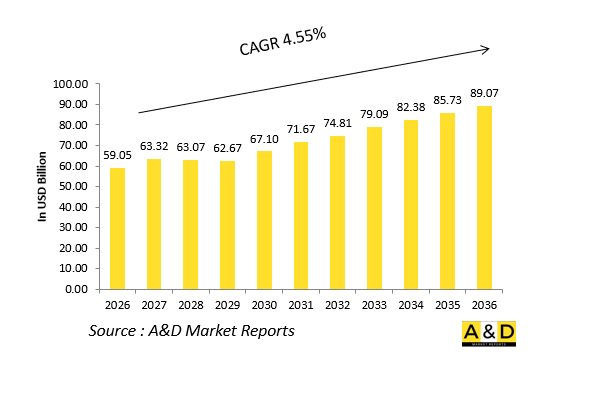
預計到 2026 年,全球戰鬥機市場價值將達到 590.49 億美元,預計在 2026 年至 2036 年的預測期內,將以 4.55% 的複合年成長率成長,到 2036 年將達到 890.732 億美元。
1. 引言
全球戰鬥機市場是國防航太工業的關鍵組成部分,專注於研發、生產和現代化先進戰鬥機,以執行空中優勢、對地攻擊和多用途任務。戰鬥機是國家防禦戰略的基石,在衝突地區提供快速反應、戰略阻礙力和作戰優勢。
現代戰鬥機配備了先進的航空電子設備、隱身能力和高性能推進系統,使其能夠在複雜多變的作戰環境中有效作戰。不斷變化的安全挑戰、地緣政治緊張局勢以及對技術更先進的空軍的需求,共同塑造了這個市場。
隨著世界各國國防機構努力提升作戰能力,對下一代戰鬥機和機體升級項目的投資也不斷增加。人工智慧、感測器融合和網路中心戰等最尖端科技的融合,正在重新定義戰鬥機在現代軍事行動中的角色。
2. 科技對戰鬥機市場的影響
技術進步正從根本上改變戰鬥機市場,提升其性能、生存能力和任務效能。其中最具影響力的創新之一是隱身技術的發展,它能降低飛機在雷達上的可見度,並增強其在敵對環境中的作戰優勢。
先進的航空電子系統,包括感測器融合和即時數據處理技術,使飛行員能夠獲取全面的戰場信息,從而提高情境察覺和決策能力。人工智慧和機器學習的整合進一步增強了自主目標捕獲、威脅探測和預測性維護等能力。
新一代推進系統提高了燃油效率、速度和機動性,而尖端材料則有助於減輕機身重量並增強耐久性。此外,網路中心戰技術實現了飛機、地面部隊和指揮中心之間的無縫通訊與協調。
這些技術創新正在將戰鬥機轉變為高度精密、多用途的平台,能夠在複雜和一體化的國防環境中作戰。
3. 戰鬥機市場的主要促進因素
戰鬥機市場的主要驅動力是不斷成長的全球國防費用以及在不斷變化的安全威脅環境中保持空中優勢的需求。日益加劇的地緣政治緊張局勢和區域衝突迫使各國加強軍事能力,促使先進戰鬥機的採購量增加。
機隊現代化是推動市場需求的主要動力,許多國家都在尋求用性能、可靠性和互通性更好的新一代平台來取代老舊飛機。此外,鑑於現代戰鬥機需要執行包括空戰、對地攻擊、偵察和電子戰在內的多種任務,對多用途能力的日益重視也影響著市場需求。
技術進步推動了更強大、更有效率飛機的研發,進一步加速了市場成長。先進感測器、通訊系統和武器系統的整合提高了作戰效能和任務成功率。
此外,無人系統和可選有人系統的日益普及正在影響戰鬥機的演進,並為創新創造新的機會。戰略夥伴關係、聯合研發項目和國際合作在推動市場擴張方面也發揮著至關重要的作用。
4. 戰鬥機市場的區域趨勢
戰鬥機市場的區域趨勢反映了國防優先事項、經濟實力和地緣政治因素的差異。北美仍然是主導地區,這得益於其雄厚的國防預算、先進的技術以及主要航太製造商的存在。該地區持續增加對下一代戰鬥機項目和機隊現代化舉措的投資。
歐洲也是一個重要的市場,其特點是注重聯合防禦項目和先進多用途戰鬥機的研發。該地區各國正在加強合作,以增強互通性並減少對外部供應商的依賴。
亞太地區正經歷顯著成長,這主要得益於國防費用的增加和安全狀況的日益嚴峻。中國、印度、日本和韓國等國正在投資研發和採購國產戰鬥機,以加強其空軍實力。
在中東,由於地區衝突和加強防禦能力的需要,對先進戰鬥機的需求日益成長。在拉丁美洲和非洲,戰鬥機部隊正在逐步擴充,重點在於經濟高效的解決方案和現代化建設。
本報告分析了全球戰鬥機市場,總結了關鍵趨勢、市場影響因素、主要技術及其影響、主要地區和國家的趨勢以及市場機會分析。
目錄
戰鬥機市場:目錄
戰鬥機市場:報告定義
戰鬥機市場:細分
透過配置
按地區
按類型
戰鬥機市場:未來十年分析
本報告透過對市場進行 10 年的分析,詳細說明了市場成長、發展趨勢、技術採用概述以及市場吸引力。
戰鬥機市場:技術
本文說明了預計將對市場產生影響的十大技術及其對整體市場的潛在影響。
戰鬥機市場:全球市場預測
上述各個細分市場均涵蓋了未來 10 年的市場預測。
戰鬥機市場:區域趨勢與預測
我們提供區域市場趨勢、促進因素、阻礙因素、挑戰以及PEST(政治、經濟、社會和技術)分析。此外,我們還提供區域市場預測和情境分析、重點公司概況、供應商概況以及公司標竿分析。
北美洲
促進因素、限制因素與挑戰
PEST分析
市場預測與情境分析
大公司
供應商層級狀態
企業標竿管理
歐洲
中東
亞太地區
南美洲
戰鬥機市場:國家分析
本說明關鍵國防項目、最新新聞和專利,以及針對特定國家的 10 年市場預測和情境分析。
美國
國防計劃
最新消息
專利
目前市場技術成熟度
市場預測與情境分析
加拿大
義大利
法國
德國
荷蘭
比利時
西班牙
瑞典
希臘
澳洲
南非
印度
中國
俄羅斯
韓國
日本
馬來西亞
新加坡
巴西
戰鬥機市場:機會矩陣
戰鬥機市場:專家對報告的看法
結論
關於航空航太和國防市場報告
Global Fighter Aircraft Market
The Global Fighter Aircraft Market is estimated at USD 59.049 billion in 2026, projected to grow to USD 89.0732 billion by 2036 at a Compound Annual Growth Rate (CAGR) of 4.55% over the forecast period 2026-2036.
1. Introduction
The Global Fighter Aircraft Market represents a critical segment of the defense aerospace industry, focused on the development, production, and modernization of advanced combat aircraft designed for air superiority, ground attack, and multi-role missions. Fighter aircraft serve as a cornerstone of national defense strategies, providing rapid response capabilities, strategic deterrence, and operational dominance in contested environments.
Modern fighter jets are equipped with advanced avionics, stealth features, and high-performance propulsion systems, enabling them to operate effectively in complex and dynamic combat scenarios. The market is shaped by evolving security challenges, geopolitical tensions, and the need for technologically superior air forces.
As defense forces worldwide seek to enhance their operational capabilities, investments in next-generation fighter aircraft and fleet modernization programs are increasing. The integration of cutting-edge technologies such as artificial intelligence, sensor fusion, and network-centric warfare is redefining the role of fighter aircraft in modern military operations.
2. Technology Impact in Fighter Aircraft Market
Technological advancements are significantly transforming the fighter aircraft market by enhancing performance, survivability, and mission effectiveness. One of the most impactful innovations is the development of stealth technology, which reduces aircraft visibility to radar and enhances operational advantage in hostile environments.
Advanced avionics systems, including sensor fusion and real-time data processing, enable pilots to access comprehensive battlefield information, improving situational awareness and decision-making. The integration of artificial intelligence and machine learning is further enhancing capabilities such as autonomous targeting, threat detection, and predictive maintenance.
Next-generation propulsion systems are improving fuel efficiency, speed, and maneuverability, while advanced materials contribute to lighter and more durable airframes. Additionally, network-centric warfare technologies enable seamless communication and coordination between aircraft, ground forces, and command centers.
These technological innovations are driving the evolution of fighter aircraft toward highly sophisticated, multi-role platforms capable of operating in complex and integrated defense environments.
3. Key Drivers in Fighter Aircraft Market
The fighter aircraft market is primarily driven by increasing global defense spending and the need to maintain air superiority in an evolving threat landscape. Rising geopolitical tensions and regional conflicts are prompting nations to strengthen their military capabilities, leading to increased procurement of advanced fighter aircraft.
Fleet modernization is another key driver, as many countries seek to replace aging aircraft with next-generation platforms that offer enhanced performance, reliability, and interoperability. The growing emphasis on multi-role capabilities is also influencing demand, as modern fighter aircraft are expected to perform a wide range of missions, including air-to-air combat, ground attack, reconnaissance, and electronic warfare.
Technological advancements are further accelerating market growth by enabling the development of more capable and efficient aircraft. The integration of advanced sensors, communication systems, and weapons enhances operational effectiveness and mission success rates.
Additionally, the increasing adoption of unmanned and optionally piloted systems is influencing the evolution of fighter aircraft, creating new opportunities for innovation. Strategic partnerships, joint development programs, and international collaborations are also playing a significant role in driving market expansion.
4. Regional Trends in Fighter Aircraft Market
Regional trends in the fighter aircraft market reflect varying defense priorities, economic capabilities, and geopolitical dynamics. North America remains a dominant player, supported by strong defense budgets, advanced technological capabilities, and the presence of major aerospace manufacturers. The region continues to invest heavily in next-generation fighter programs and fleet modernization initiatives.
Europe is also a key market, characterized by collaborative defense programs and a focus on developing advanced multi-role fighter aircraft. Countries in the region are increasingly working together to enhance interoperability and reduce dependency on external suppliers.
The Asia-Pacific region is witnessing significant growth, driven by rising defense expenditures and increasing security concerns. Countries such as China, India, Japan, and South Korea are investing in indigenous fighter aircraft development and procurement to strengthen their air forces.
In the Middle East, demand for advanced fighter aircraft is driven by regional conflicts and the need for enhanced defense capabilities. Meanwhile, Latin America and Africa are gradually expanding their fighter aircraft fleets, focusing on cost-effective solutions and modernization efforts.
5. Key Fighter Aircraft Market Program
Key programs in the fighter aircraft market are centered around the development of next-generation combat platforms and the modernization of existing fleets. These programs aim to enhance operational capabilities, improve survivability, and ensure technological superiority in increasingly complex combat environments.
Major defense programs focus on the development of advanced multi-role fighter aircraft equipped with stealth capabilities, integrated avionics, and network-centric warfare systems. These initiatives often involve collaboration between multiple countries and defense contractors, enabling the sharing of expertise, resources, and technological advancements.
Modernization programs are also a critical component of the market, as many nations upgrade existing aircraft with new sensors, communication systems, and weapon technologies. These upgrades extend the operational lifespan of aircraft while improving performance and mission effectiveness.
Additionally, research and development programs are exploring the integration of artificial intelligence, autonomous systems, and advanced propulsion technologies. These efforts are shaping the future of fighter aircraft, paving the way for more advanced, efficient, and adaptable combat platforms capable of addressing evolving security challenges.
Table of Contents
Fighter Aircraft Market - Table of Contents
Fighter Aircraft Market Report Definition
Fighter Aircraft Market Segmentation
By Configuration
By Region
By Type
Fighter Aircraft Market Analysis for next 10 Years
The 10-year fighter aircraft market analysis would give a detailed overview of fighter aircraft market growth, changing dynamics, technology adoption overviews and the overall market attractiveness is covered in this chapter.
Market Technologies of Fighter Aircraft Market
This segment covers the top 10 technologies that is expected to impact this market and the possible implications these technologies would have on the overall market.
Global Fighter Aircraft Market Forecast
The 10-year fighter aircraft market forecast of this market is covered in detailed across the segments which are mentioned above.
Regional Fighter Aircraft Market Trends & Forecast
The regional fighter aircraft market trends, drivers, restraints and Challenges of this market, the Political, Economic, Social and Technology aspects are covered in this segment. The market forecast and scenario analysis across regions are also covered in detailed in this segment. The last part of the regional analysis includes profiling of the key companies, supplier landscape and company benchmarking. The current market size is estimated based on the normal scenario.
North America
Drivers, Restraints and Challenges
PEST
Market Forecast & Scenario Analysis
Key Companies
Supplier Tier Landscape
Company Benchmarking
Europe
Middle East
APAC
South America
Country Analysis of Fighter Aircraft Market
This chapter deals with the key defense programs in this market, it also covers the latest news and patents which have been filed in this market. Country level 10 year market forecast and scenario analysis are also covered in this chapter.
US
Defense Programs
Latest News
Patents
Current levels of technology maturation in this market
Market Forecast & Scenario Analysis
Canada
Italy
France
Germany
Netherlands
Belgium
Spain
Sweden
Greece
Australia
South Africa
India
China
Russia
South Korea
Japan
Malaysia
Singapore
Brazil
Opportunity Matrix for Fighter Aircraft Market
The opportunity matrix helps the readers understand the high opportunity segments in this market.
Expert Opinions on Fighter Aircraft Market Report
Hear from our experts their opinion of the possible analysis for this market.
Conclusions
About Aviation and Defense Market Reports
List of Tables
- Table 1: 10 Year Market Outlook, 2026-2036
- Table 2: Drivers, Impact Analysis, North America
- Table 3: Restraints, Impact Analysis, North America
- Table 4: Challenges, Impact Analysis, North America
- Table 5: Drivers, Impact Analysis, Europe
- Table 6: Restraints, Impact Analysis, Europe
- Table 7: Challenges, Impact Analysis, Europe
- Table 8: Drivers, Impact Analysis, Middle East
- Table 9: Restraints, Impact Analysis, Middle East
- Table 10: Challenges, Impact Analysis, Middle East
- Table 11: Drivers, Impact Analysis, Apac
- Table 12: Restraints, Impact Analysis, Apac
- Table 13: Challenges, Impact Analysis, Apac
- Table 14: Drivers, Impact Analysis, South America
- Table 15: Restraints, Impact Analysis, South America
- Table 16: Challenges, Impact Analysis, South America
- Table 17: Scenario Analysis, Scenario 1, By Region, 2026-2036
- Table 18: Scenario Analysis, Scenario 1, By Configuration 2026-2036
- Table 19: Scenario Analysis, Scenario 1, By Type, 2026-2036
- Table 20: Scenario Analysis, Scenario 2, By Region, 2026-2036
- Table 21: Scenario Analysis, Scenario 2, By Configuration 2026-2036
- Table 22: Scenario Analysis, Scenario 2, By Type, 2026-2036
List of Figures
- Figure 1: Global Defense Fighter Aircraft Market Forecast, 2026-2036
- Figure 2: Global Defense Fighter Aircraft Market Forecast, By Region, 2026-2036
- Figure 3: Global Defense Fighter Aircraft Market Forecast, By Configuration 2026-2036
- Figure 4: Global Defense Fighter Aircraft Market Forecast, By Type, 2026-2036
- Figure 5: North America, Defense Fighter Aircraft Market , Market Forecast, 2026-2036
- Figure 6: Europe, Defense Fighter Aircraft Market , Market Forecast, 2026-2036
- Figure 7: Middle East, Defense Fighter Aircraft Market , Market Forecast, 2026-2036
- Figure 8: Apac, Defense Fighter Aircraft Market , Market Forecast, 2026-2036
- Figure 9: South America, Defense Fighter Aircraft Market , Market Forecast, 2026-2036
- Figure 10: United States, Defense Fighter Aircraft Market , Region Maturation, 2026-2036
- Figure 11: United States, Defense Fighter Aircraft Market , Market Forecast, 2026-2036
- Figure 12: Canada, Defense Fighter Aircraft Market , Region Maturation, 2026-2036
- Figure 13: Canada, Defense Fighter Aircraft Market , Market Forecast, 2026-2036
- Figure 14: Italy, Defense Fighter Aircraft Market , Region Maturation, 2026-2036
- Figure 15: Italy, Defense Fighter Aircraft Market , Market Forecast, 2026-2036
- Figure 16: France, Defense Fighter Aircraft Market , Region Maturation, 2026-2036
- Figure 17: France, Defense Fighter Aircraft Market , Market Forecast, 2026-2036
- Figure 18: Germany, Defense Fighter Aircraft Market , Region Maturation, 2026-2036
- Figure 19: Germany, Defense Fighter Aircraft Market , Market Forecast, 2026-2036
- Figure 20: Netherlands, Defense Fighter Aircraft Market , Region Maturation, 2026-2036
- Figure 21: Netherlands, Defense Fighter Aircraft Market , Market Forecast, 2026-2036
- Figure 22: Belgium, Defense Fighter Aircraft Market , Region Maturation, 2026-2036
- Figure 23: Belgium, Defense Fighter Aircraft Market , Market Forecast, 2026-2036
- Figure 24: Spain, Defense Fighter Aircraft Market , Region Maturation, 2026-2036
- Figure 25: Spain, Defense Fighter Aircraft Market , Market Forecast, 2026-2036
- Figure 26: Sweden, Defense Fighter Aircraft Market , Region Maturation, 2026-2036
- Figure 27: Sweden, Defense Fighter Aircraft Market , Market Forecast, 2026-2036
- Figure 28: Brazil, Defense Fighter Aircraft Market , Region Maturation, 2026-2036
- Figure 29: Brazil, Defense Fighter Aircraft Market , Market Forecast, 2026-2036
- Figure 30: Australia, Defense Fighter Aircraft Market , Region Maturation, 2026-2036
- Figure 31: Australia, Defense Fighter Aircraft Market , Market Forecast, 2026-2036
- Figure 32: India, Defense Fighter Aircraft Market , Region Maturation, 2026-2036
- Figure 33: India, Defense Fighter Aircraft Market , Market Forecast, 2026-2036
- Figure 34: China, Defense Fighter Aircraft Market , Region Maturation, 2026-2036
- Figure 35: China, Defense Fighter Aircraft Market , Market Forecast, 2026-2036
- Figure 36: Saudi Arabia, Defense Fighter Aircraft Market , Region Maturation, 2026-2036
- Figure 37: Saudi Arabia, Defense Fighter Aircraft Market , Market Forecast, 2026-2036
- Figure 38: South Korea, Defense Fighter Aircraft Market , Region Maturation, 2026-2036
- Figure 39: South Korea, Defense Fighter Aircraft Market , Market Forecast, 2026-2036
- Figure 40: Japan, Defense Fighter Aircraft Market , Region Maturation, 2026-2036
- Figure 41: Japan, Defense Fighter Aircraft Market , Market Forecast, 2026-2036
- Figure 42: Malaysia, Defense Fighter Aircraft Market , Region Maturation, 2026-2036
- Figure 43: Malaysia, Defense Fighter Aircraft Market , Market Forecast, 2026-2036
- Figure 44: Singapore, Defense Fighter Aircraft Market , Region Maturation, 2026-2036
- Figure 45: Singapore, Defense Fighter Aircraft Market , Market Forecast, 2026-2036
- Figure 46: United Kingdom, Defense Fighter Aircraft Market , Region Maturation, 2026-2036
- Figure 47: United Kingdom, Defense Fighter Aircraft Market , Market Forecast, 2026-2036
- Figure 48: Opportunity Analysis, Defense Fighter Aircraft Market , By Region (Cumulative Market), 2026-2036
- Figure 49: Opportunity Analysis, Defense Fighter Aircraft Market , By Region (Cagr), 2026-2036
- Figure 50: Opportunity Analysis, Defense Fighter Aircraft Market , By Configuration Cumulative Market), 2026-2036
- Figure 51: Opportunity Analysis, Defense Fighter Aircraft Market , By Configuration (Cagr), 2026-2036
- Figure 52: Opportunity Analysis, Defense Fighter Aircraft Market , By Type(Cumulative Market), 2026-2036
- Figure 53: Opportunity Analysis, Defense Fighter Aircraft Market , By Type (Cagr), 2026-2036
- Figure 54: Scenario Analysis, Defense Fighter Aircraft Market , Cumulative Market, 2026-2036
- Figure 55: Scenario Analysis, Defense Fighter Aircraft Market , Global Market, 2026-2036
- Figure 56: Scenario 1, Defense Fighter Aircraft Market , Total Market, 2026-2036
- Figure 57: Scenario 1, Defense Fighter Aircraft Market , By Region, 2026-2036
- Figure 58: Scenario 1, Defense Fighter Aircraft Market , By Configuration 2026-2036
- Figure 59: Scenario 1, Defense Fighter Aircraft Market , By Type, 2026-2036
- Figure 60: Scenario 2, Defense Fighter Aircraft Market , Total Market, 2026-2036
- Figure 61: Scenario 2, Defense Fighter Aircraft Market , By Region, 2026-2036
- Figure 62: Scenario 2, Defense Fighter Aircraft Market , By Configuration 2026-2036
- Figure 63: Scenario 2, Defense Fighter Aircraft Market , By Type, 2026-2036
- Figure 64: Company Benchmark, Defense Fighter Aircraft Market , 2026-2036

 2026-2030年全球戰鬥機市場
 戰鬥機市場:全球市場預測,2026-2032年
 2026-2036年全球戰鬥機紅外線搜尋與追蹤系統市場國防有人和無人協同系統市場報告:趨勢、預測和競爭分析(至2035年)戰鬥機市場報告:趨勢、預測和競爭分析(至2035年)全球國防戰鬥機駕駛座座艙罩市場:2026-2036年全球戰鬥機登機舵市場:2026-2036年
 2026年全球戰鬥機市場報告
 戰鬥機市場-全球產業規模、佔有率、趨勢、機會和預測,按類型、起降方式、飛機類型、地區和競爭格局分類,2020-2030年預測有無人機聯合(MUM-T)系統的全球市場(2025年~2035年)