


 |
市場調查報告書
商品編碼
1977163
全球國防外掛油箱市場:2026-2036Global Defense External Drop Tanks Market 2026-2036 |
||||||

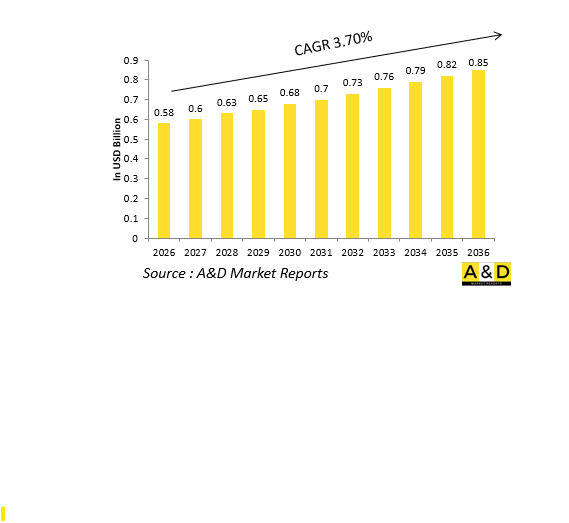
預計全球國防外掛油箱市場規模將從2026年的5.8億美元成長至2036年的8.5億美元,在2026年至2036年的預測期內,複合年增長率(CAGR)為3.70%。
簡介:
外掛油箱是國防航空中至關重要的增強作戰能力裝置,可為戰術飛機提供臨時增強能力,從而在不影響機動性的前提下擴大作戰半徑。這些流線型可投放的副油箱可掛載於機翼或機身的掛點上,使戰鬥機、攻擊機和轟炸機能夠抵達遠距離目標、延長滯空時間並在返航途中規避威脅。面對不斷演變的空中威脅,對經濟實惠的航程擴展方案的需求推動了全球副油箱市場的強勁成長。
市場提供種類繁多的產品,包括可最大限度降低阻力的保形設計、可提高生存能力的自密封設計以及可實現無縫部署的快速釋放機構。製造商優先考慮輕質合金、空氣動力學外形以及與多任務平台的兼容性。隨著空軍面臨廣闊的作戰區域和勢均力敵的對手,副油箱的重要性日益凸顯,其支援範圍涵蓋從遠程打擊到海上巡邏等各種任務。這一領域反映了對多功能、高性價比解決方案的廣泛需求,這些解決方案旨在延長現有機隊的航程和續航時間。
科技對國防外掛油箱市場的影響
技術進步正在革新國防外掛油箱市場,提升效率、安全性和整合度。先進的複合材料和混合材料在減輕重量的同時,還能承受極高的過載和熱應力,從而在不犧牲有效載荷的情況下增加油箱容量。配備慣性感測器的智慧閥門可在緊急情況下自動拋棄外掛油箱,並防止可能危及空戰飛機的不對稱阻力。
內建診斷功能和物聯網連接可將即時燃油狀態傳輸至駕駛艙和指揮中心,從而優化任務規劃。防渦流擋板和泡沫抑制劑可減少燃油湍流和爆炸風險,而保形油囊設計則透過貼合飛機外形來增強隱身性能。積層製造技術可加速各種飛機客製化型號的生產,並縮短製造週期。與電傳操縱系統的整合可實現燃油管理自動化並平衡重心偏移。這些創新不僅延長了航程,還加快了作戰節奏,實現了從運輸機到戰鬥機的無縫過渡,並支持在對抗環境中運行無人系統。
國防外掛油箱市場的主要驅動因素
多種動態因素推動了國防外掛油箱市場的成長。在廣闊的作戰區域內對力量投射的需求不斷增長,推動了外掛油箱的應用,而對於現代化程度較低的老舊飛機而言,外掛油箱能夠立即延長航程。在財政緊縮的情況下,外掛油箱被視為發動機升級或新飛機部署的低成本替代方案,能夠在不增加預算的情況下保持持續的作戰準備狀態。
多國聯盟的互通性需求推動了標準化設計,並促進了聯合演習和聯合後勤保障。遠程地對空飛彈威脅的日益加劇,使得需要具備能夠延長飛行時間以支援精確打擊的防區外作戰能力。供應鏈多元化可減少地緣政治幹擾,並促進區域製造基地的發展。永續發展措施推動再生材料和抗衝擊燃料的採用,符合綠色採購政策。融入外掛式油箱動態特性的訓練模擬器可提升飛行員在燃料關鍵場景下的熟練度。這些因素共同作用,使得外掛油箱在競爭日益激烈的時代成為機動遠徵空軍的必備裝備。 國防外掛油箱市場區域趨勢
區域差異也影響外掛油箱市場,反映了各自的軍事政策和挑戰。北美在用於航母作戰和太平洋軸心戰略的高性能油箱方面處於領先地位,強調快速拋棄和低可見度塗層。歐洲則專注於北約互通性,並正在為負責大規模側翼防禦的多用途戰鬥機開發模組化油箱。
在亞太地區,海上攻擊油箱佔主導地位,採用耐腐蝕設計,適用於島鍊和高威脅走廊。此發展正值各國加強反介入/區域拒止(A2/AD)對抗措施之際。在中東,優先發展沙漠優化型坦克,這些坦克配備防塵過濾器和隔熱罩,以執行長時間巡邏任務。在南美和非洲,專注於發展堅固耐用且易於維護的坦克,用於鎮壓叛亂和維護邊境安全,並採用經濟高效的本地化技術。在全球範圍內,透過技術轉移和聯合生產協議加強國內產業是關鍵趨勢。這些發展凸顯了外掛油箱在調整空中力量以滿足戰區需求方面所發揮的作用,從北極巡邏到熱帶地區的快速作戰。
本報告分析了全球外掛防禦油箱市場,總結了關鍵趨勢、市場影響因素、關鍵技術及其影響、主要地區和國家的趨勢以及市場機會分析。
目錄
國防外掛油箱市場:目錄
國防外掛油箱市場:報告定義
國防外掛油箱市場:細分
依地區
依平台
依類型
依容量
未來十年國防外掛油箱市場分析
國防外掛油箱市場成長、趨勢變化、技術應用概要及市場吸引力詳情
國防外掛油箱市場:技術
預計將影響市場的十大技術及其對整體市場的潛在影響
全球國防外掛油箱市場:預測
未來十年上述各細分市場的市場預測已詳細涵蓋。
國防輔助戰車市場趨勢與預測:依地區劃分
本報告涵蓋市場趨勢、驅動因素、限制因素、挑戰以及政治、經濟、社會和技術因素。報告還提供了詳細的區域市場預測和情境分析。區域分析最後包括主要公司的概況、供應商格局和公司基準。目前市場規模是基於正常情況估算的。
北美
驅動因素、限制因素與挑戰
PEST 分析
市場預測與情境分析
主要參與者
供應商層級狀況
公司基準
歐洲
中東
亞太地區
南美洲
國防外掛油箱市場:國家分析
美國
國防項目
最新資訊
專利
該市場的當前技術成熟度
市場預測與情境分析
加拿大
義大利
法國
德國
荷蘭
比利時
西班牙
瑞典
希臘
澳洲
南非
印度
中國
俄羅斯
韓國
日本
馬來西亞
新加坡
巴西
國防外掛戰車市場:機會矩陣
專家對國防外掛坦克市場報告歐的觀點
結論
關於航空航太與國防市場報告
Global Defense External Drop Tanks Market 2026-2036
The Global Defense External Drop Tanks Market is estimated at USD 0.58 billion in 2026, projected to grow to USD 0.85 billion by 2036 at a Compound Annual Growth Rate (CAGR) of 3.70% over the forecast period 2026-2036.
Introduction:
External drop tanks serve as essential force multipliers in defense aviation, providing tactical aircraft with temporary surge capacity to extend combat radius without compromising agility. These streamlined, jettisonable fuel containers, attached to wing or fuselage hardpoints, enable fighters, attack jets, and bombers to reach distant targets, loiter longer, or evade threats during return flights. The global market for drop tanks is set for robust progression, propelled by the need for affordable range enhancement amid evolving aerial threats.
Market offerings span conformal designs for minimal drag, self-sealing variants for survivability, and quick-release mechanisms for seamless deployment. Manufacturers prioritize lightweight alloys, aerodynamic shaping, and compatibility with multi-mission platforms. As air forces grapple with expansive theaters and peer adversaries, drop tanks gain prominence, supporting everything from deep strikes to maritime patrols. This sector reflects a broader push toward versatile, cost-efficient solutions that amplify existing fleets' reach and persistence.
Technology Impact in Defense External Drop Tanks Market
Technological strides are revolutionizing the defense external drop tanks market, enhancing efficiency, safety, and integration. Advanced composites and hybrid materials reduce weight while withstanding extreme g-forces and thermal stresses, allowing larger capacities without payload penalties. Smart valves with inertial sensors enable automatic jettison in emergencies, preventing asymmetric drag that could doom aircraft in dogfights.
Embedded diagnostics and IoT connectivity transmit real-time fuel status to cockpits and command centers, optimizing mission planning. Anti-vortex baffles and foam suppressants mitigate sloshing and explosion risks, while conformal bladder designs conform to airframe contours for stealthier profiles. Additive manufacturing accelerates custom variants for diverse aircraft, cutting production timelines. Integration with fly-by-wire systems automates fuel management, balancing center-of-gravity shifts. These innovations extend not just range but operational tempo, enabling seamless transitions from ferry to combat configurations and supporting unmanned systems in contested environments.
Key Drivers in Defense External Drop Tanks Market
Dynamic forces underpin the growth of the defense external drop tanks market. Escalating demands for power projection in vast operational areas drive adoption, as drop tanks offer immediate range boosts for legacy fleets facing modernization delays. Fiscal pressures favor these low-cost alternatives to engine upgrades or new aircraft, enabling sustained readiness without ballooning budgets.
Interoperability requirements in multinational coalitions spur standardized designs, facilitating joint exercises and shared logistics. Rising threats from long-range surface-to-air missiles necessitate standoff capabilities, where extended loiter supports precision strikes. Supply chain diversification mitigates geopolitical disruptions, promoting regional manufacturing hubs. Sustainability initiatives push for recyclable materials and crash-resistant fuels, aligning with green procurement policies. Training simulators incorporating drop tank dynamics enhance pilot proficiency in fuel-critical scenarios. Collectively, these drivers position drop tanks as indispensable for agile, expeditionary airpower in an era of persistent competition.
Regional Trends in Defense External Drop Tanks Market
Regional variations define the external drop tanks market, attuned to local doctrines and challenges. North America leads with high-performance variants for carrier ops and Pacific pivots, emphasizing rapid jettison and low-observable coatings. Europe focuses on NATO interoperability, developing modular tanks for multirole fighters defending expansive flanks.
Asia-Pacific trends toward maritime strike tanks, with corrosion-resistant designs for island chains and high-threat corridors, as nations bolster anti-access/area-denial countermeasures. The Middle East prioritizes desert-optimized tanks with dust filters and thermal shielding for prolonged patrols. In South America and Africa, emphasis falls on rugged, maintainable tanks for counterinsurgency and border security, leveraging cost-effective local adaptations. Global trends include technology offsets and co-production deals, enhancing domestic industries. These patterns underscore drop tanks' role in tailoring airpower to theater demands, from Arctic patrols to tropical surges.
Key Defense External Drop Tanks Market Programs
Flagship programs illuminate the external drop tanks market's innovation trajectory. The U.S. Navy's conformal tank refresh integrates smart sensors for F/A-18 variants, enhancing carrier deck cycles and stealth integration. Europe's Tempest demonstrator tests shape-shifting tanks that morph for subsonic cruise and supersonic dash, advancing sixth-generation compatibility.
India's lightweight composite program for Tejas fighters addresses high-altitude needs with quick-swap mechanisms, bolstering regional deterrence. Australia's loyal wingman initiative pairs drop tanks with unmanned escorts, enabling extended teaming in Indo-Pacific vastness. Israel's battle-proven self-sealing tanks for export fighters incorporate anti-missile chaff dispensers, merging fuel with defense. These efforts leverage digital engineering for accelerated certification, focusing on plug-and-play modularity and AI-optimized release profiles. They pioneer hybrid electric feeds and swarm-compatible designs, redefining drop tanks as smart nodes in networked air operations.
Table of Contents
Defense External Drop Tanks Market - Table of Contents
Defense External Drop Tanks Market Report Definition
Defense External Drop Tanks Market Segmentation
By Region
By Platform
By Type
By Capacity
Defense External Drop Tanks Market Analysis for next 10 Years
The 10-year Defense External Drop Tanks Market analysis would give a detailed overview of Defense External Drop Tanks Market growth, changing dynamics, technology adoption overviews and the overall market attractiveness is covered in this chapter.
Market Technologies of Defense External Drop Tanks Market
This segment covers the top 10 technologies that is expected to impact this market and the possible implications these technologies would have on the overall market.
Global Defense External Drop Tanks Market Forecast
The 10-year Defense External Drop Tanks Market forecast of this market is covered in detailed across the segments which are mentioned above.
Regional Defense External Drop Tanks Market Trends & Forecast
The regional counter drone market trends, drivers, restraints and Challenges of this market, the Political, Economic, Social and Technology aspects are covered in this segment. The market forecast and scenario analysis across regions are also covered in detailed in this segment. The last part of the regional analysis includes profiling of the key companies, supplier landscape and company benchmarking. The current market size is estimated based on the normal scenario.
North America
Drivers, Restraints and Challenges
PEST
Market Forecast & Scenario Analysis
Key Companies
Supplier Tier Landscape
Company Benchmarking
Europe
Middle East
APAC
South America
Country Analysis of Defense External Drop Tanks Market
This chapter deals with the key defense programs in this market, it also covers the latest news and patents which have been filed in this market. Country level 10 year market forecast and scenario analysis are also covered in this chapter.
US
Defense Programs
Latest News
Patents
Current levels of technology maturation in this market
Market Forecast & Scenario Analysis
Canada
Italy
France
Germany
Netherlands
Belgium
Spain
Sweden
Greece
Australia
South Africa
India
China
Russia
South Korea
Japan
Malaysia
Singapore
Brazil
Opportunity Matrix for Defense External Drop Tanks Market
The opportunity matrix helps the readers understand the high opportunity segments in this market.
Expert Opinions on Defense External Drop Tanks Market Report
Hear from our experts their opinion of the possible analysis for this market.
Conclusions
About Aviation and Defense Market Reports
List of Tables
- Table 1: 10 Year Market Outlook, 2026-2036
- Table 2: Drivers, Impact Analysis, North America
- Table 3: Restraints, Impact Analysis, North America
- Table 4: Challenges, Impact Analysis, North America
- Table 5: Drivers, Impact Analysis, Europe
- Table 6: Restraints, Impact Analysis, Europe
- Table 7: Challenges, Impact Analysis, Europe
- Table 8: Drivers, Impact Analysis, Middle East
- Table 9: Restraints, Impact Analysis, Middle East
- Table 10: Challenges, Impact Analysis, Middle East
- Table 11: Drivers, Impact Analysis, APAC
- Table 12: Restraints, Impact Analysis, APAC
- Table 13: Challenges, Impact Analysis, APAC
- Table 14: Drivers, Impact Analysis, South America
- Table 15: Restraints, Impact Analysis, South America
- Table 16: Challenges, Impact Analysis, South America
- Table 17: Scenario Analysis, Scenario 1, By Region, 2026-2036
- Table 18: Scenario Analysis, Scenario 1, By Platform, 2026-2036
- Table 19: Scenario Analysis, Scenario 1, By Type, 2026-2036
- Table 20: Scenario Analysis, Scenario 2, By Region, 2026-2036
- Table 21: Scenario Analysis, Scenario 2, By Platform, 2026-2036
- Table 22: Scenario Analysis, Scenario 2, By Type, 2026-2036
List of Figures
- Figure 1: Global Defense External Drop Tanks Market Forecast, 2026-2036
- Figure 2: Global Defense External Drop Tanks Market Forecast, By Region, 2026-2036
- Figure 3: Global Defense External Drop Tanks Market Forecast, By Platform, 2026-2036
- Figure 4: Global Defense External Drop Tanks Market Forecast, By Type, 2026-2036
- Figure 5: North America, Defense External Drop Tanks Market, Market Forecast, 2026-2036
- Figure 6: Europe, Defense External Drop Tanks Market, Market Forecast, 2026-2036
- Figure 7: Middle East, Defense External Drop Tanks Market, Market Forecast, 2026-2036
- Figure 8: APAC, Defense External Drop Tanks Market, Market Forecast, 2026-2036
- Figure 9: South America, Defense External Drop Tanks Market, Market Forecast, 2026-2036
- Figure 10: United States, Defense External Drop Tanks Market, Technology Maturation, 2026-2036
- Figure 11: United States, Defense External Drop Tanks Market, Market Forecast, 2026-2036
- Figure 12: Canada, Defense External Drop Tanks Market, Technology Maturation, 2026-2036
- Figure 13: Canada, Defense External Drop Tanks Market, Market Forecast, 2026-2036
- Figure 14: Italy, Defense External Drop Tanks Market, Technology Maturation, 2026-2036
- Figure 15: Italy, Defense External Drop Tanks Market, Market Forecast, 2026-2036
- Figure 16: France, Defense External Drop Tanks Market, Technology Maturation, 2026-2036
- Figure 17: France, Defense External Drop Tanks Market, Market Forecast, 2026-2036
- Figure 18: Germany, Defense External Drop Tanks Market, Technology Maturation, 2026-2036
- Figure 19: Germany, Defense External Drop Tanks Market, Market Forecast, 2026-2036
- Figure 20: Netherlands, Defense External Drop Tanks Market, Technology Maturation, 2026-2036
- Figure 21: Netherlands, Defense External Drop Tanks Market, Market Forecast, 2026-2036
- Figure 22: Belgium, Defense External Drop Tanks Market, Technology Maturation, 2026-2036
- Figure 23: Belgium, Defense External Drop Tanks Market, Market Forecast, 2026-2036
- Figure 24: Spain, Defense External Drop Tanks Market, Technology Maturation, 2026-2036
- Figure 25: Spain, Defense External Drop Tanks Market, Market Forecast, 2026-2036
- Figure 26: Sweden, Defense External Drop Tanks Market, Technology Maturation, 2026-2036
- Figure 27: Sweden, Defense External Drop Tanks Market, Market Forecast, 2026-2036
- Figure 28: Brazil, Defense External Drop Tanks Market, Technology Maturation, 2026-2036
- Figure 29: Brazil, Defense External Drop Tanks Market, Market Forecast, 2026-2036
- Figure 30: Australia, Defense External Drop Tanks Market, Technology Maturation, 2026-2036
- Figure 31: Australia, Defense External Drop Tanks Market, Market Forecast, 2026-2036
- Figure 32: India, Defense External Drop Tanks Market, Technology Maturation, 2026-2036
- Figure 33: India, Defense External Drop Tanks Market, Market Forecast, 2026-2036
- Figure 34: China, Defense External Drop Tanks Market, Technology Maturation, 2026-2036
- Figure 35: China, Defense External Drop Tanks Market, Market Forecast, 2026-2036
- Figure 36: Saudi Arabia, Defense External Drop Tanks Market, Technology Maturation, 2026-2036
- Figure 37: Saudi Arabia, Defense External Drop Tanks Market, Market Forecast, 2026-2036
- Figure 38: South Korea, Defense External Drop Tanks Market, Technology Maturation, 2026-2036
- Figure 39: South Korea, Defense External Drop Tanks Market, Market Forecast, 2026-2036
- Figure 40: Japan, Defense External Drop Tanks Market, Technology Maturation, 2026-2036
- Figure 41: Japan, Defense External Drop Tanks Market, Market Forecast, 2026-2036
- Figure 42: Malaysia, Defense External Drop Tanks Market, Technology Maturation, 2026-2036
- Figure 43: Malaysia, Defense External Drop Tanks Market, Market Forecast, 2026-2036
- Figure 44: Singapore, Defense External Drop Tanks Market, Technology Maturation, 2026-2036
- Figure 45: Singapore, Defense External Drop Tanks Market, Market Forecast, 2026-2036
- Figure 46: United Kingdom, Defense External Drop Tanks Market, Technology Maturation, 2026-2036
- Figure 47: United Kingdom, Defense External Drop Tanks Market, Market Forecast, 2026-2036
- Figure 48: Opportunity Analysis, Defense External Drop Tanks Market, By Region (Cumulative Market), 2026-2036
- Figure 49: Opportunity Analysis, Defense External Drop Tanks Market, By Region (CAGR), 2026-2036
- Figure 50: Opportunity Analysis, Defense External Drop Tanks Market, By Platform (Cumulative Market), 2026-2036
- Figure 51: Opportunity Analysis, Defense External Drop Tanks Market, By Platform (CAGR), 2026-2036
- Figure 52: Opportunity Analysis, Defense External Drop Tanks Market, By Type (Cumulative Market), 2026-2036
- Figure 53: Opportunity Analysis, Defense External Drop Tanks Market, By Type (CAGR), 2026-2036
- Figure 54: Scenario Analysis, Defense External Drop Tanks Market, Cumulative Market, 2026-2036
- Figure 55: Scenario Analysis, Defense External Drop Tanks Market, Global Market, 2026-2036
- Figure 56: Scenario 1, Defense External Drop Tanks Market, Total Market, 2026-2036
- Figure 57: Scenario 1, Defense External Drop Tanks Market, By Region, 2026-2036
- Figure 58: Scenario 1, Defense External Drop Tanks Market, By Platform, 2026-2036
- Figure 59: Scenario 1, Defense External Drop Tanks Market, By Type, 2026-2036
- Figure 60: Scenario 2, Defense External Drop Tanks Market, Total Market, 2026-2036
- Figure 61: Scenario 2, Defense External Drop Tanks Market, By Region, 2026-2036
- Figure 62: Scenario 2, Defense External Drop Tanks Market, By Platform, 2026-2036
- Figure 63: Scenario 2, Defense External Drop Tanks Market, By Type, 2026-2036
- Figure 64: Company Benchmark, Defense External Drop Tanks Market, 2026-2036

 燃料箱市場:2026-2032年全球市場預測(依材料、燃料類型、容量、應用及通路分類)
 2026年全球折疊式燃料箱市場報告2026年全球罐車市場報告汽車用液氫市場:2026-2032年全球市場預測(按氫形態、儲存技術、加氫基礎設施、車輛類型、應用和最終用戶分類)LNG駁船加註系統市場按組件、安裝類型、推進類型、駁船類型、應用和最終用戶分類,全球預測(2026-2032年)
 自供電水質監測系統市場分析及預測(至2035年):依類型、產品類型、服務、技術、組件、應用、部署類型、最終用戶及功能分類
 遠端儲槽監控系統:市場佔有率分析、產業趨勢與統計、成長預測(2026-2031)卡車加油系統市場按組件、燃料類型、技術、支付方式、最終用途和車輛類型分類-全球預測(2026-2032 年)
 液氣儲槽:全球市佔率及排名、總收入及需求預測(2025-2031 年)
 全球油輪服務市場