

 |
市場調查報告書
商品編碼
1936045
全球國防飛機煞車系統市場:2026-2036Global Defense Aircraft Braking Systems Market 2026-2036 |
||||||

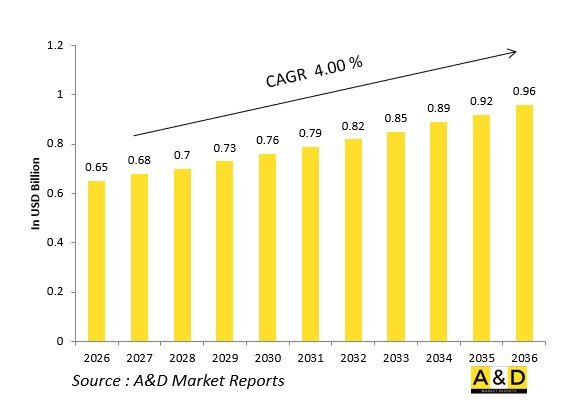
估計2026年全球國防飛機煞車系統市場規模為6.5億美元,預計到2036年將達到9.6億美元,2026年至2036年的年複合成長率(CAGR)為4.00%。
引言
全球國防飛機煞車系統市場目的是提升戰術飛機的性能,在航空母艦、前緣跑道和受損跑道上進行高能量降落時提供精準的控制。多盤式碳纖維疊層、液壓動力單元和防滑處理器能夠實現激進的機動飛行,同時保護飛機免受過載影響。
市場動態反映了第五代戰鬥機的維護和旋翼機的升級,煞車技術正從鋼製轉子發展到輕量複合材料,以抵抗持續作戰載荷下的性能衰減。核心技術包括分段式碳纖維散熱器、電子訊號驅動系統以及與飛行控制系統整合的預測性維護健康監測系統。
快速部署的地緣政治需求推動採購,優先考慮與滑躍起飛/攔阻起飛(STOBAR)航空母艦和沙漠基地相容的系統。模組化設計便於對整個傳統機隊進行改造。耐火金屬和陶瓷塗層在供應鏈中的重要性日益凸顯。在競爭中,Honeywell、Safran和Collins Aerospace率先研發全電動版本。
該市場透過地面機動性實現空中優勢。
科技對國防飛機煞車系統的影響
碳基複合材料憑藉其卓越的散熱性能,革新剎車系統,實現無衰減、高能量、可重複的製動,這對於航空母艦著陸和武器投放非常重要。分段式轉子可單獨更換高溫零件,顯著減少任務間的停機時間。
電液伺服閥與電傳操縱系統整合,可實現自動煞車調度和精確的壓力調節,最佳化起落架軌道上的輪胎磨損。防滑演算法根據慣性參考值處理輪速,脈衝編碼調變可防止在受污染跑道上發生鎖死。
整合在煞車堆疊中的預測感測器可監測碳氧化和液壓污染,並在性能下降之前發出維護警報。電動煞車執行器完全消除了液壓管路,降低了隱身設計的脆弱性,並可實現可變煞車扭矩,最佳化著陸重量。
整合式線控煞車技術協調自動煞車與反推裝置和擾流板,以縮短著陸滑跑距離。陶瓷摩擦材料能夠承受定向能量加熱。數位孿生技術模擬磨損情況,以延長使用壽命。這些進步提高了出動率,並使飛機能夠在未準備的跑道上起降。
國防飛機煞車系統的關鍵驅動因素
第五代戰鬥機計畫需要高循環次數的煞車系統來承受隱身塗層和武器負荷。遠徵作戰理論要求飛機具備在半準備跑道上短距起降的能力,這推動了煞車材料從鋼製到碳製的升級。
艦載航空需要反覆著陸煞車,因此優先考慮抗衰減的煞車片。調製煞車對於旋翼機在沙塵暴等能見度為零的環境中保持控制非常重要。
維護成本經濟性促使人們傾向於採用預測性維護系統,以最大限度地減少計劃外拆卸。出口補償促進了液壓蓄能器的本地化生產。互通性標準使得聯軍能夠使用通用備件。
定向能武器的擴散需要耐熱陶瓷。綠色採購提倡使用再生碳材料而非消耗性金屬。供應鏈的韌性可以應對原料短缺的問題。
這些需求使得煞車系統成為戰術賦能工具。
國防飛機煞車系統的區域趨勢
北美在F-35的維護保障方面處於領先地位,推進垂直起降的碳堆創新。
歐洲升級歐洲戰鬥機和陣風戰鬥機的電動作動器,以實現分散式作戰。
在亞太地區,原產戰鬥機(印度的Tejas戰鬥機、中國的殲-35戰鬥機)發展迅速,優先考慮航母作戰能力。
中東正為其高出動率機隊配備裝備,以應對沙漠酷熱。
俄羅斯改進米格-35的煞車系統,以適應未開發的跑道。
韓國將其與KF-21整合,以加強區域威懾。
亞太地區擴大其在全電動系統製造領域的佔有率。
主要國防飛機煞車系統計畫
F-35 "閃電II" 戰鬥機整合了碳纖維疊層煞車和自動線控煞車系統,用於短距起飛/降落(STOVL)作戰。
Rafale戰鬥機採用分段式陶瓷煞車,用於航母打擊。
歐洲戰鬥機升級計畫整合了煞車系統和飛行控制系統。
印度的Tejas Mk2戰鬥機配備了國產碳纖維旋翼。
KC-46 Pegasus加油機的煞車系統能夠承受重載。
CVN-78 Ford級航空母艦的彈射器整合需要精確的調整。
UH-60M 黑鷹直升機改良了電動作動器,以適應多塵和低能見度條件下的著陸。
V-22 Osprey傾轉旋翼機在推進(輔助旋翼)切換期間管理煞車。
目錄
國防飛機煞車系統市場 - 目錄
國防飛機煞車系統市場報告定義
國防飛機煞車系統市場區隔
依平台
依煞車型
依控制系統
依功能
國防飛機煞車系統市場:十年市場分析
本章 將詳細概述國防飛機煞車系統市場的成長、趨勢變化、技術應用概況以及整體市場吸引力。
國防飛機煞車系統市場技術
本部分涵蓋預計將影響該市場的十大技術及其對整體市場的潛在影響。
全球國防飛機煞車系統市場預測
以上各部分詳細涵蓋了未來十年國防飛機煞車系統市場的預測。
區域國防飛機煞車系統市場趨勢與預測
本部分涵蓋了區域反無人機市場的趨勢、驅動因素、限制因素和挑戰,以及政治、經濟、社會和技術因素。此外,也詳細包含了區域市場預測和情境分析。最終的區域分析包括主要公司概況、供應商狀況和公司基準分析。目前市場規模是基於 "一切照舊" 情境估算的。
北美
驅動因素、限制因素與挑戰
PEST分析
市場預測與情境分析
主要公司
供應商層級結構
公司標竿分析
歐洲
中東
亞太地區
南美洲
國防飛機煞車系統市場分析:依國家
本章 涵蓋該市場的主要國防項目以及最新的市場動態和專利申請資訊。此外,本章 也提供未來十年各國的市場預測和情境分析。
美國
國防項目
最新消息
專利
當前市場技術成熟度
市場預測與情境分析
加拿大
義大利
法國
德國
荷蘭
比利時
西班牙
瑞典
希臘
澳洲
南非
印度
中國
俄羅斯
韓國
日本
馬來西亞
新加坡
巴西
國防飛機煞車系統市場機會矩陣
機會矩陣幫助讀者了解該市場中高機會細分領域。
國防飛機煞車系統市場專家意見報告
本報告總結了專家對此市場潛力分析的意見。
結論
關於航空與國防市場報告
The Global Defense Aircraft Braking Systems Market is estimated at USD 0.65 billion in 2026, projected to grow to USD 0.96billion by 2036 at a Compound Annual Growth Rate (CAGR) of 4.00% over the forecast period 2026-2036.
Introduction
The global Defense Aircraft Braking Systems market underpins tactical aircraft performance, delivering precise control during high-energy landings on carriers, forward strips, and damaged runways. Multi-disc carbon stacks, hydraulic power packs, and anti-skid processors enable aggressive maneuvers while protecting airframes from overload.
Market dynamics reflect fifth-generation fighter sustainment and rotary-wing upgrades, where braking evolves from steel rotors to lightweight composites resisting fade under sustained combat loads. Core technologies include segmented carbon heat sinks, electrically signaled actuation, and prognostic health monitoring integrated with flight controls.
Geopolitical demands for rapid deployment drive procurement, prioritizing systems compatible with STOBAR carriers and desert bases. Modular designs facilitate retrofits across legacy fleets. Supply chains emphasize refractory metals and ceramic coatings. Competition features Honeywell, Safran, and Collins Aerospace pioneering all-electric variants.
This market enables air dominance through ground agility.
Technology Impact in Defense Aircraft Braking Systems
Carbon-carbon composites revolutionize braking with superior heat dissipation, enabling repeated high-energy arrests without fade-critical for carrier traps and weapons deliveries. Segmented rotors allow hot sections to be swapped independently, slashing downtime between missions.
Electro-hydraulic servo valves deliver precise pressure modulation, integrating with fly-by-wire for auto-brake schedules that optimize tire wear across gear trucks. Anti-skid algorithms process wheel speeds against inertial references, preventing lockup on contaminated runways via pulse-code modulation.
Prognostic sensors embedded in stacks monitor carbon oxidation and hydraulic contamination, cueing maintenance before performance degrades. Electric braking actuators eliminate hydraulic lines entirely, reducing vulnerability in stealth designs and enabling variable brake torque for weight-optimized landings.
Integrated brake-by-wire fuses autobrake with thrust reversers and spoilers, compressing landing rolls. Ceramic friction materials withstand directed-energy heat. Digital twins simulate wear profiles for lifetime extension. These advancements boost sortie rates and enable operations from unprepared strips.
Key Drivers in Defense Aircraft Braking Systems
Fifth-generation fighter programs mandate high-cycle braking resilient to stealth coatings and weapons loads. Expeditionary doctrines require short-field capability on semi-prepared surfaces, driving carbon upgrades over steel.
Carrier aviation demands repeated arrested landings, prioritizing fade-resistant stacks. Rotary-wing brownouts necessitate modulated braking to maintain control in zero-visibility dust.
Sustainment economics favor prognostic systems minimizing unscheduled removals. Export offsets spur localized production of hydraulic accumulators. Interoperability standards enable common spares across coalitions.
Directed-energy proliferation requires heat-resistant ceramics. Green procurement pushes recyclable carbon over expendable metals. Supply chain resilience counters raw material constraints.
These imperatives position braking as tactical enablers.
Regional Trends in Defense Aircraft Braking Systems
North America leads with F-35 sustainment driving carbon stack innovations for vertical landings.
Europe upgrades Eurofighter and Rafale with electric actuators for dispersed ops.
Asia-Pacific surges via indigenous fighters-India's Tejas, China's J-35-prioritizing carrier compatibility.
Middle East equips high-sortie fleets against desert heat.
Russia adapts MiG-35 braking for rough strips.
South Korea integrates with KF-21 for regional deterrence.
Trends favor all-electric systems; Asia-Pacific gains manufacturing share.
Key Defense Aircraft Braking Systems Programs
F-35 Lightning II integrates carbon stacks with autobrake-by-wire for STOVL operations.
Rafale upgrades deploy segmented ceramics for carrier assaults.
Eurofighter Tranche enhancements fuse braking with flight controls.
India's Tejas Mk2 equips indigenous carbon rotors.
KC-46 Pegasus tanker braking handles heavy loads.
CVN-78 Ford-class catapult integration demands precision modulation.
Black Hawk UH-60M upgrades electric actuators for brownout landings.
V-22 Osprey tiltrotor braking manages proprotor transitions.
Table of Contents
Defense Aircraft Braking Systems Market Market - Table of Contents
Defense Aircraft Braking Systems Market Market Report Definition
Defense Aircraft Braking Systems Market Market Segmentation
By Platform
By Brake Type
By Control System
By Function
Defense Aircraft Braking Systems Market Market Analysis for next 10 Years
The 10-year Defense Aircraft Braking Systems Market market analysis would give a detailed overview of Defense Aircraft Braking Systems Market market growth, changing dynamics, technology adoption overviews and the overall market attractiveness is covered in this chapter.
Market Technologies of Defense Aircraft Braking Systems Market Market
This segment covers the top 10 technologies that is expected to impact this market and the possible implications these technologies would have on the overall market.
Global Defense Aircraft Braking Systems Market Market Forecast
The 10-year Defense Aircraft Braking Systems Market market forecast of this market is covered in detailed across the segments which are mentioned above.
Regional Defense Aircraft Braking Systems Market Market Trends & Forecast
The regional counter drone market trends, drivers, restraints and Challenges of this market, the Political, Economic, Social and Technology aspects are covered in this segment. The market forecast and scenario analysis across regions are also covered in detailed in this segment. The last part of the regional analysis includes profiling of the key companies, supplier landscape and company benchmarking. The current market size is estimated based on the normal scenario.
North America
Drivers, Restraints and Challenges
PEST
Market Forecast & Scenario Analysis
Key Companies
Supplier Tier Landscape
Company Benchmarking
Europe
Middle East
APAC
South America
Country Analysis of Defense Aircraft Braking Systems Market Market
This chapter deals with the key defense programs in this market, it also covers the latest news and patents which have been filed in this market. Country level 10 year market forecast and scenario analysis are also covered in this chapter.
US
Defense Programs
Latest News
Patents
Current levels of technology maturation in this market
Market Forecast & Scenario Analysis
Canada
Italy
France
Germany
Netherlands
Belgium
Spain
Sweden
Greece
Australia
South Africa
India
China
Russia
South Korea
Japan
Malaysia
Singapore
Brazil
Opportunity Matrix for Defense Aircraft Braking Systems Market Market
The opportunity matrix helps the readers understand the high opportunity segments in this market.
Expert Opinions on Defense Aircraft Braking Systems Market Market Report
Hear from our experts their opinion of the possible analysis for this market.
Conclusions
About Aviation and Defense Market Reports
List of Tables
- Table 1: 10 Year Market Outlook, 2026-2036
- Table 2: Drivers, Impact Analysis, North America
- Table 3: Restraints, Impact Analysis, North America
- Table 4: Challenges, Impact Analysis, North America
- Table 5: Drivers, Impact Analysis, Europe
- Table 6: Restraints, Impact Analysis, Europe
- Table 7: Challenges, Impact Analysis, Europe
- Table 8: Drivers, Impact Analysis, Middle East
- Table 9: Restraints, Impact Analysis, Middle East
- Table 10: Challenges, Impact Analysis, Middle East
- Table 11: Drivers, Impact Analysis, APAC
- Table 12: Restraints, Impact Analysis, APAC
- Table 13: Challenges, Impact Analysis, APAC
- Table 14: Drivers, Impact Analysis, South America
- Table 15: Restraints, Impact Analysis, South America
- Table 16: Challenges, Impact Analysis, South America
- Table 17: Scenario Analysis, Scenario 1, By Region, 2026-2036
- Table 18: Scenario Analysis, Scenario 1, By Platform, 2026-2036
- Table 19: Scenario Analysis, Scenario 1, By Brake Type , 2026-2036
- Table 20: Scenario Analysis, Scenario 2, By Region, 2026-2036
- Table 21: Scenario Analysis, Scenario 2, By Platform, 2026-2036
- Table 22: Scenario Analysis, Scenario 2, By Brake Type , 2026-2036
List of Figures
- Figure 1: Global Aircraft Braking Systems Market Forecast, 2026-2036
- Figure 2: Global Aircraft Braking Systems Market Forecast, By Region, 2026-2036
- Figure 3: Global Aircraft Braking Systems Market Forecast, By Platform, 2026-2036
- Figure 4: Global Aircraft Braking Systems Market Forecast, By Brake Type , 2026-2036
- Figure 5: North America, Aircraft Braking Systems Market, Forecast, 2026-2036
- Figure 6: Europe, Aircraft Braking Systems Market, Forecast, 2026-2036
- Figure 7: Middle East, Aircraft Braking Systems Market, Forecast, 2026-2036
- Figure 8: APAC, Aircraft Braking Systems Market, Forecast, 2026-2036
- Figure 9: South America, Aircraft Braking Systems Market, Forecast, 2026-2036
- Figure 10: United States, Aircraft Braking Systems Market, Technology Maturation, 2026-2036
- Figure 11: United States, Aircraft Braking Systems Market, Forecast, 2026-2036
- Figure 12: Canada, Aircraft Braking Systems Market, Technology Maturation, 2026-2036
- Figure 13: Canada, Aircraft Braking Systems Market, Forecast, 2026-2036
- Figure 14: Italy, Aircraft Braking Systems Market, Technology Maturation, 2026-2036
- Figure 15: Italy, Aircraft Braking Systems Market, Market Forecast, 2026-2036
- Figure 16: France, Aircraft Braking Systems Market, Technology Maturation, 2026-2036
- Figure 17: France, Aircraft Braking Systems Market, Market Forecast, 2026-2036
- Figure 18: Germany, Aircraft Braking Systems Market, Technology Maturation, 2026-2036
- Figure 19: Germany, Aircraft Braking Systems Market, Market Forecast, 2026-2036
- Figure 20: Netherlands, Aircraft Braking Systems Market, Technology Maturation, 2026-2036
- Figure 21: Netherlands, Aircraft Braking Systems Market, Market Forecast, 2026-2036
- Figure 22: Belgium, Aircraft Braking Systems Market, Technology Maturation, 2026-2036
- Figure 23: Belgium, Aircraft Braking Systems Market, Market Forecast, 2026-2036
- Figure 24: Spain, Aircraft Braking Systems Market, Technology Maturation, 2026-2036
- Figure 25: Spain, Aircraft Braking Systems Market, Market Forecast, 2026-2036
- Figure 26: Sweden, Aircraft Braking Systems Market, Technology Maturation, 2026-2036
- Figure 27: Sweden, Aircraft Braking Systems Market, Market Forecast, 2026-2036
- Figure 28: Brazil, Aircraft Braking Systems Market, Technology Maturation, 2026-2036
- Figure 29: Brazil, Aircraft Braking Systems Market, Market Forecast, 2026-2036
- Figure 30: Australia, Aircraft Braking Systems Market, Technology Maturation, 2026-2036
- Figure 31: Australia, Aircraft Braking Systems Market, Market Forecast, 2026-2036
- Figure 32: India, Aircraft Braking Systems Market, Technology Maturation, 2026-2036
- Figure 33: India, Aircraft Braking Systems Market, Market Forecast, 2026-2036
- Figure 34: China, Aircraft Braking Systems Market, Technology Maturation, 2026-2036
- Figure 35: China, Aircraft Braking Systems Market, Market Forecast, 2026-2036
- Figure 36: Saudi Arabia, Aircraft Braking Systems Market, Technology Maturation, 2026-2036
- Figure 37: Saudi Arabia, Aircraft Braking Systems Market, Market Forecast, 2026-2036
- Figure 38: South Korea, Aircraft Braking Systems Market, Technology Maturation, 2026-2036
- Figure 39: South Korea, Aircraft Braking Systems Market, Market Forecast, 2026-2036
- Figure 40: Japan, Aircraft Braking Systems Market, Technology Maturation, 2026-2036
- Figure 41: Japan, Aircraft Braking Systems Market, Market Forecast, 2026-2036
- Figure 42: Malaysia, Aircraft Braking Systems Market, Technology Maturation, 2026-2036
- Figure 43: Malaysia, Aircraft Braking Systems Market, Market Forecast, 2026-2036
- Figure 44: Singapore, Aircraft Braking Systems Market, Technology Maturation, 2026-2036
- Figure 45: Singapore, Aircraft Braking Systems Market, Market Forecast, 2026-2036
- Figure 46: United Kingdom, Aircraft Braking Systems Market, Technology Maturation, 2026-2036
- Figure 47: United Kingdom, Aircraft Braking Systems Market, Market Forecast, 2026-2036
- Figure 48: Opportunity Analysis, Aircraft Braking Systems Market, By Region (Cumulative Market), 2026-2036
- Figure 49: Opportunity Analysis, Aircraft Braking Systems Market, By Region (CAGR), 2026-2036
- Figure 50: Opportunity Analysis, Aircraft Braking Systems Market, By (Cumulative Market), 2026-2036
- Figure 51: Opportunity Analysis, Aircraft Braking Systems Market, By Platform(CAGR), 2026-2036
- Figure 52: Opportunity Analysis, Aircraft Braking Systems Market, By Brake Type (Cumulative Market), 2026-2036
- Figure 53: Opportunity Analysis, Aircraft Braking Systems Market, By Brake Type (CAGR), 2026-2036
- Figure 54: Scenario Analysis, Aircraft Braking Systems Market, Cumulative Market, 2026-2036
- Figure 55: Scenario Analysis, Aircraft Braking Systems Market, Global Market, 2026-2036
- Figure 56: Scenario 1, Aircraft Braking Systems Market, Total Market, 2026-2036
- Figure 57: Scenario 1, Aircraft Braking Systems Market, By Region, 2026-2036
- Figure 58: Scenario 1, Aircraft Braking Systems Market, By Platform, 2026-2036
- Figure 59: Scenario 1, Aircraft Braking Systems Market, By Brake Type , 2026-2036
- Figure 60: Scenario 2, Aircraft Braking Systems Market, Total Market, 2026-2036
- Figure 61: Scenario 2, Aircraft Braking Systems Market, By Region, 2026-2036
- Figure 62: Scenario 2, Aircraft Braking Systems Market, By Platform, 2026-2036
- Figure 63: Scenario 2, Aircraft Braking Systems Market, By Brake Type , 2026-2036
- Figure 64: Company Benchmark, Aircraft Braking Systems Market, 2026-2036

 飛機煞車系統市場 - 全球產業規模、佔有率、趨勢、機會及預測(按飛機類型、驅動方式、最終用戶、分銷管道、地區和競爭格局分類,2021-2031年)
 飛機煞車系統市場規模、佔有率和成長分析(按組件、驅動方式、飛機類型、最終用途和地區分類)-2026-2033年產業預測航太與國防煞車控制系統市場-全球產業規模、佔有率、趨勢、機會及預測,依飛機類型、產品類型、銷售通路、地區及競爭格局分類,2020-2030年預測
 飛機煞車系統市場:按煞車材料、飛機類型、系統類型、技術和銷售管道分類 - 全球預測(2025-2032年)飛機空氣煞車市場按分銷管道、類型、最終用戶、飛機類型和應用分類-2025-2032年全球預測
 2025年全球飛機煞車系統市場報告
 全球飛機煞車市場規模(按產品、應用、地區、範圍和預測)
 2024-2028年全球飛機煞車系統市場