


 |
市場調查報告書
商品編碼
1927660
全球作戰管理系統市場:2026-2036Global Combat Management Systems Market 2026-2036 |
||||||

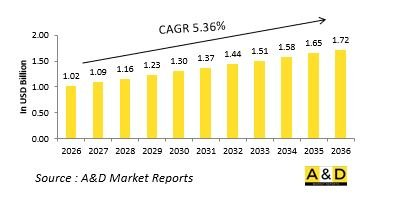
據估計,2026年全球作戰管理系統市場規模為10.2億美元,預計到2036年將達到17.2億美元,2026年至2036年的複合年增長率(CAGR)為5.36%。
全球作戰管理系統簡介
全球作戰管理系統是現代軍事平台的核心決策支援框架,尤其是在複雜、快節奏的作戰環境中。這些系統整合來自感測器、武器、通訊網路和指揮要素的訊息,以提供連貫的作戰態勢圖。 透過以結構化的方式組織和呈現數據,作戰管理系統使指揮官和操作人員能夠評估威脅、確定行動優先順序並有效率地協調應對措施。這一作用在海軍和聯合作戰中尤其重要,因為在這些作戰中,多個資產必須同步運作。作戰管理系統減少了資訊碎片化,並支援在壓力下快速做出明智的決策。隨著國防行動越來越依賴互聯平台,這些系統成為連結探測、決策和交戰功能的數位化基礎。全球對網路化戰爭和一體化指揮結構的重視,已將作戰管理系統從可選的增強功能提升為關鍵任務能力。其發展歷程反映了資訊優勢和協同行動在現代軍事理論中日益增長的重要性。
全球作戰管理系統的技術影響
技術進步透過改善資料融合、處理速度和系統適應性,擴展了作戰管理系統的功能。現代架構將來自各種感測器的輸入整合到統一的作戰顯示中,從而提高了態勢感知能力。先進的軟體框架支援快速的威脅評估和交戰計劃。 開放式系統設計便於新型感測器和武器的升級與整合。安全網路和冗餘機制提高了電子戰環境下的可靠性。視覺化工具提供直覺的介面,幫助操作人員理解複雜的作戰情況。這些技術進步正在將作戰管理系統轉變為動態指揮工具,能夠以精準性和韌性支援多域作戰。
全球作戰管理系統的關鍵驅動因素
現代戰爭日益複雜,以及跨平台協同作戰的需求推動了對作戰管理系統的需求。以網路為中心的作戰理念強調即時資訊共享和同步回應。平台升級和新艦艇採購需要整合管理解決方案。盟軍之間的互通性需求也在推動其應用。國防機構也尋求能夠降低認知負荷並提高反應效率的系統,從而增強作戰管理解決方案的戰略價值。
全球作戰管理系統區域趨勢
各區域的採用模式因作戰優先事項和工業能力而異。以海軍為中心的地區優先考慮用於水面和水下平台的先進作戰管理系統。 重視聯合行動的地區會投資於支持跨域整合的系統。新興市場則專注於能夠實現能力逐步發展的模組化解決方案。聯合計畫會影響跨區域的系統標準化和長期支持策略。
主要作戰管理系統計畫:
2025年11月17日,加拿大國際貿易部長對加拿大商務公司與德國聯邦國防裝備、資訊科技和作戰支援局簽署政府間合約表示歡迎,該合約將向德國海軍提供洛克希德·馬丁加拿大公司的CMS 330作戰管理系統。這份價值超過10億加幣的合約凸顯了加拿大和德國在國防採購領域緊密的合作。 CMS 330最初是為加拿大皇家海軍的哈利法克斯級護衛艦開發的,它整合了艦載感測器、武器和通訊系統,可提供即時態勢感知。該系統旨在支援包括空中、水面和水下作戰在內的各種海軍作戰行動。 透過採用通用作戰管理系統,德國海軍和加拿大皇家海軍有望實現更高的作戰互通性,並增強兩國的海上安全。
目錄
作戰管理系統市場 - 目錄
作戰管理系統市場報告定義
作戰管理系統市場區隔
按平台
按地區
按類型
未來十年作戰管理系統市場分析
本章詳細概述了作戰管理系統市場的成長、變化趨勢、技術應用概況以及整體市場吸引力。
作戰管理系統市場中的市場技術
本部分涵蓋預計將影響該市場的十大技術及其對整體市場的潛在影響。
全球作戰管理系統市場預測
以上各部分詳細闡述了該市場未來十年的作戰管理系統市場預測。
區域作戰管理系統市場趨勢與預測
本部分涵蓋區域作戰管理系統市場的趨勢、驅動因素、限制因素和挑戰,以及政治、經濟、社會和技術因素。此外,還提供了詳細的區域市場預測和情境分析。最終的區域分析包括主要公司概況、供應商狀況和公司基準分析。目前市場規模是基於 "一切照舊" 情境估算的。
北美
驅動因素、限制因素與挑戰
PEST分析
市場預測與情境分析
主要公司
供應商層級結構
公司標竿分析
歐洲
中東
亞太地區
南美洲
作戰管理系統市場國家分析
本章涵蓋該市場的主要國防項目以及最新的市場動態和專利申請。此外,本章也提供未來十年各國的市場預測和情境分析。
美國
國防項目
最新消息
專利
當前市場技術成熟度
市場預測與情境分析
加拿大
義大利
法國
德國
荷蘭
比利時
西班牙
瑞典
希臘
澳洲
南非
印度
中國
俄羅斯
南非
韓國
日本
馬來西亞
新加坡
巴西
作戰管理系統市場機會矩陣
機會矩陣幫助讀者了解該市場中高機會細分領域。
專家對作戰管理系統市場報告的意見
本報告總結了我們專家對此市場分析潛力的意見。
結論
關於航空和國防市場報告
The Global Combat Management Systems market is estimated at USD 1.02 billion in 2026, projected to grow to USD 1.72 billion by 2036 at a Compound Annual Growth Rate (CAGR) of 5.36% over the forecast period 2026-2036.

Introduction to Global Combat Management Systems
Global combat management systems serve as the central decision-support framework for modern military platforms, particularly in complex and high-tempo operational environments. These systems integrate information from sensors, weapons, communication networks, and command elements to provide a coherent operational picture. By organizing and presenting data in a structured manner, combat management systems enable commanders and operators to assess threats, prioritize actions, and coordinate responses efficiently. Their role is especially critical in naval and joint operations where multiple assets must operate in synchronization. Combat management systems reduce information fragmentation and support faster, more informed decision-making under pressure. As defense operations increasingly rely on interconnected platforms, these systems act as the digital backbone that links detection, decision, and engagement functions. The global emphasis on networked warfare and integrated command structures has elevated combat management systems from optional enhancements to mission-critical capabilities. Their evolution reflects the growing importance of information dominance and coordinated action in modern military doctrine.
Technology Impact in Global Combat Management Systems
Technological advancement has expanded the capabilities of combat management systems by enhancing data fusion, processing speed, and system adaptability. Modern architectures integrate inputs from diverse sensors, combining them into a unified operational display that improves situational awareness. Advanced software frameworks support rapid threat evaluation and engagement planning. Open system designs allow easier upgrades and integration of new sensors or weapons. Secure networking and redundancy improve reliability in contested electronic environments. Visualization tools provide intuitive interfaces that support operator comprehension during complex engagements. These technological improvements transform combat management systems into dynamic command tools capable of supporting multi-domain operations with accuracy and resilience.
Key Drivers in Global Combat Management Systems
The demand for combat management systems is driven by the increasing complexity of modern warfare and the need for coordinated action across platforms. Network-centric operational concepts emphasize real-time information sharing and synchronized response. Platform upgrades and new vessel acquisitions require integrated management solutions. Interoperability requirements among allied forces further drive adoption. Defense organizations also seek systems that reduce cognitive load and improve response effectiveness, reinforcing the strategic value of combat management solutions.
Regional Trends in Global Combat Management Systems
Regional adoption patterns vary according to operational focus and industrial capability. Naval-oriented regions prioritize advanced combat management for surface and subsurface platforms. Regions emphasizing joint operations invest in systems that support cross-domain integration. Emerging markets focus on modular solutions that allow incremental capability development. Collaborative programs influence system standardization and long-term support strategies across regions.
Key Combat Management Systems Program:
On November 17, 2025, Canada's Minister of International Trade welcomed the signing of a government-to-government contract by the Canadian Commercial Corporation with Germany's Federal Office of Bundeswehr Equipment, Information Technology and In-Service Support for the supply of Lockheed Martin Canada's CMS 330 combat management system to the German Navy. Valued at more than $1 billion, the agreement underscores closer defense procurement collaboration between Canada and Germany. Originally developed for the Royal Canadian Navy's Halifax-class frigates, the CMS 330 integrates onboard sensors, weapons, and communication systems to deliver real-time situational awareness. The system is designed to support a broad spectrum of naval operations, including air, surface, and subsurface warfare. By adopting a common combat management system, the German and Canadian navies are expected to achieve greater operational interoperability, strengthening maritime security for both nations.
Table of Contents
Combat Management System Market - Table of Contents
Combat Management System Market Report Definition
Combat Management System Market Segmentation
By Platform
By Region
By Type
Combat Management System Market Analysis for next 10 Years
The 10-year Combat Management System Market analysis would give a detailed overview of Combat Management System Market growth, changing dynamics, technology adoption overviews and the overall market attractiveness is covered in this chapter.
Market Technologies of Combat Management System Market
This segment covers the top 10 technologies that is expected to impact this market and the possible implications these technologies would have on the overall market.
Global Combat Management System Market Forecast
The 10-year combat management system Market forecast of this market is covered in detailed across the segments which are mentioned above.
Regional Combat Management System Market Trends & Forecast
The regional combat management system market trends, drivers, restraints and Challenges of this market, the Political, Economic, Social and Technology aspects are covered in this segment. The market forecast and scenario analysis across regions are also covered in detailed in this segment. The last part of the regional analysis includes profiling of the key companies, supplier landscape and company benchmarking. The current market size is estimated based on the normal scenario.
North America
Drivers, Restraints and Challenges
PEST
Market Forecast & Scenario Analysis
Key Companies
Supplier Tier Landscape
Company Benchmarking
Europe
Middle East
APAC
South America
Country Analysis of Combat Management System Market
This chapter deals with the key defense programs in this market, it also covers the latest news and patents which have been filed in this market. Country level 10 year market forecast and scenario analysis are also covered in this chapter.
US
Defense Programs
Latest News
Patents
Current levels of technology maturation in this market
Market Forecast & Scenario Analysis
Canada
Italy
France
Germany
Netherlands
Belgium
Spain
Sweden
Greece
Australia
South Africa
India
China
Russia
South Korea
Japan
Malaysia
Singapore
Brazil
Opportunity Matrix for Combat Management System Market
The opportunity matrix helps the readers understand the high opportunity segments in this market.
Expert Opinions on Combat Management System Market Report
Hear from our experts their opinion of the possible analysis for this market.
Conclusions
About Aviation and Defense Market Reports
List of Tables
- Table 1: 10 Year Market Outlook, 2026-2036
- Table 2: Drivers, Impact Analysis, North America
- Table 3: Restraints, Impact Analysis, North America
- Table 4: Challenges, Impact Analysis, North America
- Table 5: Drivers, Impact Analysis, Europe
- Table 6: Restraints, Impact Analysis, Europe
- Table 7: Challenges, Impact Analysis, Europe
- Table 8: Drivers, Impact Analysis, Middle East
- Table 9: Restraints, Impact Analysis, Middle East
- Table 10: Challenges, Impact Analysis, Middle East
- Table 11: Drivers, Impact Analysis, APAC
- Table 12: Restraints, Impact Analysis, APAC
- Table 13: Challenges, Impact Analysis, APAC
- Table 14: Drivers, Impact Analysis, South America
- Table 15: Restraints, Impact Analysis, South America
- Table 16: Challenges, Impact Analysis, South America
- Table 17: Scenario Analysis, Scenario 1, By Region, 2026-2036
- Table 18: Scenario Analysis, Scenario 1, By Platform, 2026-2036
- Table 19: Scenario Analysis, Scenario 1, By Type, 2026-2036
- Table 20: Scenario Analysis, Scenario 2, By Region, 2026-2036
- Table 21: Scenario Analysis, Scenario 2, By Platform, 2026-2036
- Table 22: Scenario Analysis, Scenario 2, By Type, 2026-2036
List of Figures
- Figure 1: Global Combat Management Systems Market Forecast, 2026-2036
- Figure 2: Global Combat Management Systems Market Forecast, By Region, 2026-2036
- Figure 3: Global Combat Management Systems Market Forecast, By Platform, 2026-2036
- Figure 4: Global Combat Management Systems Market Forecast, By Type, 2026-2036
- Figure 5: North America, Combat Management Systems Market, Market Forecast, 2026-2036
- Figure 6: Europe, Combat Management Systems Market, Market Forecast, 2026-2036
- Figure 7: Middle East, Combat Management Systems Market, Market Forecast, 2026-2036
- Figure 8: APAC, Combat Management Systems Market, Market Forecast, 2026-2036
- Figure 9: South America, Combat Management Systems Market, Market Forecast, 2026-2036
- Figure 10: United States, Combat Management Systems Market, Technology Maturation, 2026-2036
- Figure 11: United States, Combat Management Systems Market, Market Forecast, 2026-2036
- Figure 12: Canada, Combat Management Systems Market, Technology Maturation, 2026-2036
- Figure 13: Canada, Combat Management Systems Market, Market Forecast, 2026-2036
- Figure 14: Italy, Combat Management Systems Market, Technology Maturation, 2026-2036
- Figure 15: Italy, Combat Management Systems Market, Market Forecast, 2026-2036
- Figure 16: France, Combat Management Systems Market, Technology Maturation, 2026-2036
- Figure 17: France, Combat Management Systems Market, Market Forecast, 2026-2036
- Figure 18: Germany, Combat Management Systems Market, Technology Maturation, 2026-2036
- Figure 19: Germany, Combat Management Systems Market, Market Forecast, 2026-2036
- Figure 20: Netherlands, Combat Management Systems Market, Technology Maturation, 2026-2036
- Figure 21: Netherlands, Combat Management Systems Market, Market Forecast, 2026-2036
- Figure 22: Belgium, Combat Management Systems Market, Technology Maturation, 2026-2036
- Figure 23: Belgium, Combat Management Systems Market, Market Forecast, 2026-2036
- Figure 24: Spain, Combat Management Systems Market, Technology Maturation, 2026-2036
- Figure 25: Spain, Combat Management Systems Market, Market Forecast, 2026-2036
- Figure 26: Sweden, Combat Management Systems Market, Technology Maturation, 2026-2036
- Figure 27: Sweden, Combat Management Systems Market, Market Forecast, 2026-2036
- Figure 28: Brazil, Combat Management Systems Market, Technology Maturation, 2026-2036
- Figure 29: Brazil, Combat Management Systems Market, Market Forecast, 2026-2036
- Figure 30: Australia, Combat Management Systems Market, Technology Maturation, 2026-2036
- Figure 31: Australia, Combat Management Systems Market, Market Forecast, 2026-2036
- Figure 32: India, Combat Management Systems Market, Technology Maturation, 2026-2036
- Figure 33: India, Combat Management Systems Market, Market Forecast, 2026-2036
- Figure 34: China, Combat Management Systems Market, Technology Maturation, 2026-2036
- Figure 35: China, Combat Management Systems Market, Market Forecast, 2026-2036
- Figure 36: Saudi Arabia, Combat Management Systems Market, Technology Maturation, 2026-2036
- Figure 37: Saudi Arabia, Combat Management Systems Market, Market Forecast, 2026-2036
- Figure 38: South Korea, Combat Management Systems Market, Technology Maturation, 2026-2036
- Figure 39: South Korea, Combat Management Systems Market, Market Forecast, 2026-2036
- Figure 40: Japan, Combat Management Systems Market, Technology Maturation, 2026-2036
- Figure 41: Japan, Combat Management Systems Market, Market Forecast, 2026-2036
- Figure 42: Malaysia, Combat Management Systems Market, Technology Maturation, 2026-2036
- Figure 43: Malaysia, Combat Management Systems Market, Market Forecast, 2026-2036
- Figure 44: Singapore, Combat Management Systems Market, Technology Maturation, 2026-2036
- Figure 45: Singapore, Combat Management Systems Market, Market Forecast, 2026-2036
- Figure 46: United Kingdom, Combat Management Systems Market, Technology Maturation, 2026-2036
- Figure 47: United Kingdom, Combat Management Systems Market, Market Forecast, 2026-2036
- Figure 48: Opportunity Analysis, Combat Management Systems Market, By Region (Cumulative Market), 2026-2036
- Figure 49: Opportunity Analysis, Combat Management Systems Market, By Region (CAGR), 2026-2036
- Figure 50: Opportunity Analysis, Combat Management Systems Market, By Platform (Cumulative Market), 2026-2036
- Figure 51: Opportunity Analysis, Combat Management Systems Market, By Platform (CAGR), 2026-2036
- Figure 52: Opportunity Analysis, Combat Management Systems Market, By Type (Cumulative Market), 2026-2036
- Figure 53: Opportunity Analysis, Combat Management Systems Market, By Type (CAGR), 2026-2036
- Figure 54: Scenario Analysis, Combat Management Systems Market, Cumulative Market, 2026-2036
- Figure 55: Scenario Analysis, Combat Management Systems Market, Global Market, 2026-2036
- Figure 56: Scenario 1, Combat Management Systems Market, Total Market, 2026-2036
- Figure 57: Scenario 1, Combat Management Systems Market, By Region, 2026-2036
- Figure 58: Scenario 1, Combat Management Systems Market, By Platform, 2026-2036
- Figure 59: Scenario 1, Combat Management Systems Market, By Type, 2026-2036
- Figure 60: Scenario 2, Combat Management Systems Market, Total Market, 2026-2036
- Figure 61: Scenario 2, Combat Management Systems Market, By Region, 2026-2036
- Figure 62: Scenario 2, Combat Management Systems Market, By Platform, 2026-2036
- Figure 63: Scenario 2, Combat Management Systems Market, By Type, 2026-2036
- Figure 64: Company Benchmark, Combat Management Systems Market, 2026-2036


