


 |
市場調查報告書
商品編碼
1904991
全球國防多旋翼無人機市場:2026-2036Global Defense Multirotor Drone Market 2026-2036 |
||||||

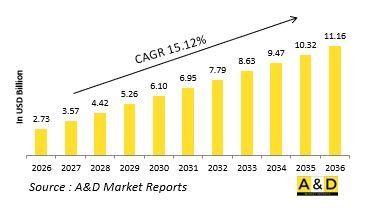
全球國防多旋翼無人機市場預計將從2026年的27.3億美元成長到2036年的111.6億美元,2026年至2036年的複合年增長率(CAGR)為15.12%。
國防多旋翼無人機市場概況:
全球國防多旋翼無人機市場包括垂直起降(VTOL)無人機系統,該系統配備多個旋翼,即使在狹小空間內也能提供卓越的懸停穩定性、機動性和操作靈活性。這些平台透過在小型作戰單位層級提供即時、本地化的情報、監視和偵察 (ISR) 能力,徹底改變了戰術軍事行動。與固定翼無人機不同,多旋翼系統無需發射基礎設施,即可在城市環境、建築物內部以及幾乎任何部署地點高效運作。其應用範圍正從基礎偵察擴展到目標定位、通訊中繼、電子戰、後勤支援和部隊防護。日益精密的商用無人機技術的普及加速了軍方採用,同時也帶來了新的非對稱威脅,推動了性能、安全性和耐用性更強的軍用級多旋翼系統的發展。
國防多旋翼無人機市場的技術影響因素:
多旋翼無人機技術的演進主要圍繞自主性、續航能力和有效載荷整合。先進的飛行控制演算法使其能夠在低能見度和強風條件下穩定運作。基於人工智慧的避障和導航系統使其能夠在複雜的城市地形中運行,而無需飛行員持續幹預。混合動力系統將電池與小型內燃機或燃料電池結合,實現了遠超傳統電力推進限制的超長飛行時間。小型化感測器組件使得高解析度光電成像、熱成像、雷射指示器和訊號情報能夠整合到小型平台上。集群控制技術使多架無人機能夠協同執行共同任務。抗干擾、安全的數位資料鏈路保護指揮和視訊訊號免受攔截或乾擾。這些進步正在將多旋翼無人機從遠端控制的攝影機轉變為智慧、持久、多用途的戰術資產。
國防多旋翼無人機市場的主要驅動因素:
戰術層面空中監視的普及化正在推動市場發展,將以往依賴於特定平台的能力直接帶到步兵班組。非對稱戰爭和反叛亂行動需要持續的即時空中監視,而無需依賴大型、機動性較差的飛機。城市戰的擴展要求系統能夠在複雜的三維環境中運行,而固定翼平台在這些環境中則難以發揮作用。部隊防護需求推動了周界監視和巡檢無人機的應用,從而減少了人員暴露於威脅的風險。反無人機作戰的需求推動了能夠攔截敵方無人機的多旋翼攔截系統的發展。此外,儘管商業技術的進步不斷降低高效能系統開發的門檻,但也使得針對衝突環境、具有更高安全性和穩健性的軍事專用解決方案變得特別迫切。
國防多旋翼無人機市場區域趨勢:
區域應用模式反映了作戰優先事項、威脅環境和產業方法的差異。北美的發展重點是與現有戰場控制基礎設施整合的安全網路系統。歐洲的專案專注於模組化、任務可配置的無人機,並高度重視資料保護和合規性。亞太地區的應用速度尤其快,既出現了先進的軍事系統,也出現了大規模採購商用無人機以進行廣泛部署的情況。中東衝突地區已成為多旋翼無人機作戰應用的試驗場,推動了進攻和防禦系統的創新。非洲國家擴大採用多旋翼無人機執行邊境監視和維和任務,而基礎設施的限制更有利於垂直起降(VTOL)系統。在全球範圍內,商用和軍用無人機技術之間的界線日益模糊,軍民兩用系統在衝突和安全應用中變得越來越普遍。
本報告研究了全球國防多旋翼無人機市場,並對該市場進行了全面分析,包括市場背景、市場影響因素、市場規模趨勢和預測,以及按細分市場和地區劃分的詳細分析。
目錄
國防多旋翼無人機市場:報告定義
國防多旋翼無人機市場:細分
按地區
按應用
按範圍
未來十年國防多旋翼無人機市場分析
市場成長、趨勢變化、技術應用概況及整體市場吸引力
國防多旋翼無人機市場:技術
十大技術及其對整體市場的影響
全球國防多旋翼無人機市場:預測
國防多旋翼無人機市場:區域趨勢及預測
區域市場趨勢、驅動因素、限制因素、挑戰、PEST 分析、區域市場預測、情境分析、主要參與者概況、供應商格局和公司標竿分析
北美
驅動因素、限制因素與挑戰
PEST 分析
市場預測與情境分析
主要參與者
供應商層級格局
公司標竿分析
歐洲
中東
亞太地區
南美洲
國防多旋翼無人機市場:國家分析
主要國防項目、最新資訊、專利、國家/地區十年預測與情境分析
美國
國防項目
最新消息
專利
當前市場技術成熟度
市場預測與情境分析
加拿大
義大利
法國
德國
荷蘭
比利時
西班牙
瑞典
希臘
澳洲
南非
印度
中國
俄羅斯
南非
韓國
日本
馬來西亞
新加坡
巴西
國防多旋翼無人機市場:機會矩陣
國防多旋翼無人機市場:專家報告解讀
結論
關於航空與國防市場報告
The Global Defense Multirotor Drone market is estimated at USD 2.73 billion in 2026, projected to grow to USD 11.16 billion by 2036 at a Compound Annual Growth Rate (CAGR) of 15.12% over the forecast period 2026-2036.
Introduction to Defense Multirotor Drone Market:
The Global Defense Multirotor Drone Market encompasses vertical take-off and landing (VTOL) unmanned aerial systems characterized by multiple rotors, offering exceptional hover stability, maneuverability, and operational flexibility in confined spaces. These platforms have transformed tactical military operations by providing immediate, localized intelligence, surveillance, and reconnaissance (ISR) capabilities at the small unit level. Unlike fixed-wing drones, multirotor systems can operate effectively in urban environments, inside structures, and from virtually any deployment point without launch infrastructure. Their applications have expanded from basic reconnaissance to include target designation, communications relay, electronic warfare, logistics resupply, and force protection. The proliferation of increasingly capable commercial drone technology has both accelerated military adoption and created new asymmetric threats, driving corresponding development of military-grade multirotor systems with enhanced performance, security, and durability.
Technology Impact in Defense Multirotor Drone Market:
Technological evolution in multirotor drones centers on autonomy, endurance, and payload integration. Advanced flight control algorithms enable stable operation in degraded visual environments and high wind conditions. Artificial intelligence-powered obstacle avoidance and navigation systems allow operation in complex urban terrain without continuous pilot intervention. Hybrid power systems combining batteries with miniature internal combustion engines or fuel cells significantly extend flight durations beyond typical electric-only limitations. Miniaturization of sensor packages enables integration of high-resolution electro-optics, thermal imagers, laser designators, and signal intelligence collectors on small platforms. Swarm coordination technology allows multiple drones to operate collaboratively on shared missions. Secure digital data links with anti-jamming features protect command and video feeds from interception or disruption. These advancements are transforming multirotor drones from remotely piloted cameras into intelligent, persistent, multi-role tactical assets.
Key Drivers in Defense Multirotor Drone Market:
The democratization of aerial surveillance at the tactical level represents the fundamental market driver, putting previously platform-based capabilities directly in infantry squads' hands. Asymmetric warfare and counter-insurgency operations create persistent demand for immediate overhead observation without relying on larger, less responsive aircraft. Urban warfare proliferation necessitates systems capable of operating in complex three-dimensional environments where fixed-wing platforms are ineffective. Force protection requirements drive adoption of perimeter surveillance and inspection drones that reduce personnel exposure to threats. Counter-drone mission needs spur development of interceptor multirotor systems capable of neutralizing hostile drones. Additionally, commercial technology advancement continuously lowers barriers to capable system development while creating urgency for military-specific solutions with enhanced security and robustness for contested environments.
Regional Trends in Defense Multirotor Drone Market:
Regional adoption patterns reflect differing operational priorities, threat environments, and industrial approaches. North American development emphasizes secure, networked systems integrated with existing battlefield management infrastructure. European programs focus on modular, mission-configurable drones with strong emphasis on data protection and regulatory compliance. The Asia-Pacific region shows particularly rapid adoption, with both advanced military systems and large-scale procurement of commercial-derived drones for widespread deployment. Middle Eastern conflict zones have become proving grounds for multirotor combat applications, driving innovation in both offensive and defensive systems. African nations increasingly employ multirotor drones for border surveillance and peacekeeping missions where infrastructure limitations favor VTOL systems. Globally, the line between commercial and military drone technology continues to blur, with dual-use systems proliferating across conflict and security applications.
Key Defense Multirotor Drone Program:
India-based unmanned systems manufacturer ideaForge Technology Ltd has received a supply order valued at approximately ₹100 crore from the Indian Army for its next-generation tactical unmanned platforms, including the Zolt unmanned aerial vehicle and the all-terrain vertical take-off and landing (VTOL) drone, SWITCH 2. The order represents a significant endorsement of indigenous drone capabilities developed for military applications. The procurement includes a capital emergency acquisition for the Zolt platform, estimated at around ₹75 crore, following a comprehensive evaluation process. The system underwent rigorous field trials in electronic warfare environments and was subjected to strict country-of-origin verification requirements before approval. In addition, the SWITCH 2 system has been ordered under a separate contract valued at approximately ₹30 crore. Both platforms were officially unveiled by ideaForge at the Aero India exhibition held earlier this year in Bengaluru. The Zolt UAV is designed as a multi-mission platform, offering extended-range intelligence, surveillance, and reconnaissance capabilities, along with precision payload delivery. It is optimized for contemporary military operations, emphasizing autonomy, endurance, and resilience in contested environments. The SWITCH 2 drone, already operational with the Indian Army, has been battle-tested and is currently deployed for ISR missions, reinforcing its reliability and operational maturity.
Table of Contents
Defense Multirotor Drone Market Report Definition
Defense Multirotor Drone Market Segmentation
By Region
By Application
By Range
Defense Multirotor Drone Market Analysis for next 10 Years
The 10-year Defense Multirotor Drone Market analysis would give a detailed overview of Defense Multirotor Drone Market growth, changing dynamics, technology adoption overviews and the overall market attractiveness is covered in this chapter.
Market Technologies of Defense Multirotor Drone Market
This segment covers the top 10 technologies that is expected to impact this market and the possible implications these technologies would have on the overall market.
Global Defense Multirotor Drone Market Forecast
The 10-year Defense Multirotor Drone Market forecast of this market is covered in detailed across the segments which are mentioned above.
Regional Defense Multirotor Drone Market Trends & Forecast
The regional Defense Multirotor Drone Market trends, drivers, restraints and Challenges of this market, the Political, Economic, Social and Technology aspects are covered in this segment. The market forecast and scenario analysis across regions are also covered in detailed in this segment. The last part of the regional analysis includes profiling of the key companies, supplier landscape and company benchmarking. The current market size is estimated based on the normal scenario.
North America
Drivers, Restraints and Challenges
PEST
Market Forecast & Scenario Analysis
Key Companies
Supplier Tier Landscape
Company Benchmarking
Europe
Middle East
APAC
South America
Country Analysis of Defense Multirotor Drone Market
This chapter deals with the key defense programs in this market, it also covers the latest news and patents which have been filed in this market. Country level 10 year market forecast and scenario analysis are also covered in this chapter.
US
Defense Programs
Latest News
Patents
Current levels of technology maturation in this market
Market Forecast & Scenario Analysis
Canada
Italy
France
Germany
Netherlands
Belgium
Spain
Sweden
Greece
Australia
South Africa
India
China
Russia
South Korea
Japan
Malaysia
Singapore
Brazil
Opportunity Matrix for Defense Multirotor Drone Market
The opportunity matrix helps the readers understand the high opportunity segments in this market.
Expert Opinions on Defense Multirotor Drone Market Report
Hear from our experts their opinion of the possible analysis for this market.
Conclusions
About Aviation and Defense Market Reports
List of Tables
- Table 1: 10 Year Market Outlook, 2025-2035
- Table 2: Drivers, Impact Analysis, North America
- Table 3: Restraints, Impact Analysis, North America
- Table 4: Challenges, Impact Analysis, North America
- Table 5: Drivers, Impact Analysis, Europe
- Table 6: Restraints, Impact Analysis, Europe
- Table 7: Challenges, Impact Analysis, Europe
- Table 8: Drivers, Impact Analysis, Middle East
- Table 9: Restraints, Impact Analysis, Middle East
- Table 10: Challenges, Impact Analysis, Middle East
- Table 11: Drivers, Impact Analysis, APAC
- Table 12: Restraints, Impact Analysis, APAC
- Table 13: Challenges, Impact Analysis, APAC
- Table 14: Drivers, Impact Analysis, South America
- Table 15: Restraints, Impact Analysis, South America
- Table 16: Challenges, Impact Analysis, South America
- Table 17: Scenario Analysis, Scenario 1, By Region, 2025-2035
- Table 18: Scenario Analysis, Scenario 1, By Application, 2025-2035
- Table 19: Scenario Analysis, Scenario 1, By Range, 2025-2035
- Table 20: Scenario Analysis, Scenario 2, By Region, 2025-2035
- Table 21: Scenario Analysis, Scenario 2, By Application, 2025-2035
- Table 22: Scenario Analysis, Scenario 2, By Range, 2025-2035
List of Figures
- Figure 1: Global Defense Multirotor Drone Market Forecast, 2025-2035
- Figure 2: Global Defense Multirotor Drone Market Forecast, By Region, 2025-2035
- Figure 3: Global Defense Multirotor Drone Market Forecast, By Application, 2025-2035
- Figure 4: Global Defense Multirotor Drone Market Forecast, By Range, 2025-2035
- Figure 5: North America, Defense Multirotor Drone Market, Market Forecast, 2025-2035
- Figure 6: Europe, Defense Multirotor Drone Market, Market Forecast, 2025-2035
- Figure 7: Middle East, Defense Multirotor Drone Market, Market Forecast, 2025-2035
- Figure 8: APAC, Defense Multirotor Drone Market, Market Forecast, 2025-2035
- Figure 9: South America, Defense Multirotor Drone Market, Market Forecast, 2025-2035
- Figure 10: United States, Defense Multirotor Drone Market, Technology Maturation, 2025-2035
- Figure 11: United States, Defense Multirotor Drone Market, Market Forecast, 2025-2035
- Figure 12: Canada, Defense Multirotor Drone Market, Technology Maturation, 2025-2035
- Figure 13: Canada, Defense Multirotor Drone Market, Market Forecast, 2025-2035
- Figure 14: Italy, Defense Multirotor Drone Market, Technology Maturation, 2025-2035
- Figure 15: Italy, Defense Multirotor Drone Market, Market Forecast, 2025-2035
- Figure 16: France, Defense Multirotor Drone Market, Technology Maturation, 2025-2035
- Figure 17: France, Defense Multirotor Drone Market, Market Forecast, 2025-2035
- Figure 18: Germany, Defense Multirotor Drone Market, Technology Maturation, 2025-2035
- Figure 19: Germany, Defense Multirotor Drone Market, Market Forecast, 2025-2035
- Figure 20: Netherland, Defense Multirotor Drone Market, Technology Maturation, 2025-2035
- Figure 21: Netherland, Defense Multirotor Drone Market, Market Forecast, 2025-2035
- Figure 22: Belgium, Defense Multirotor Drone Market, Technology Maturation, 2025-2035
- Figure 23: Belgium, Defense Multirotor Drone Market, Market Forecast, 2025-2035
- Figure 24: Spain, Defense Multirotor Drone Market, Technology Maturation, 2025-2035
- Figure 25: Spain, Defense Multirotor Drone Market, Market Forecast, 2025-2035
- Figure 26: Sweden, Defense Multirotor Drone Market, Technology Maturation, 2025-2035
- Figure 27: Sweden, Defense Multirotor Drone Market, Market Forecast, 2025-2035
- Figure 28: Brazil, Defense Multirotor Drone Market, Technology Maturation, 2025-2035
- Figure 29: Brazil, Defense Multirotor Drone Market, Market Forecast, 2025-2035
- Figure 30: Australia, Defense Multirotor Drone Market, Technology Maturation, 2025-2035
- Figure 31: Australia, Defense Multirotor Drone Market, Market Forecast, 2025-2035
- Figure 32: India, Defense Multirotor Drone Market, Technology Maturation, 2025-2035
- Figure 33: India, Defense Multirotor Drone Market, Market Forecast, 2025-2035
- Figure 34: China, Defense Multirotor Drone Market, Technology Maturation, 2025-2035
- Figure 35: China, Defense Multirotor Drone Market, Market Forecast, 2025-2035
- Figure 36: Saudi Arabia, Defense Multirotor Drone Market, Technology Maturation, 2025-2035
- Figure 37: Saudi Arabia, Defense Multirotor Drone Market, Market Forecast, 2025-2035
- Figure 38: South Korea, Defense Multirotor Drone Market, Technology Maturation, 2025-2035
- Figure 39: South Korea, Defense Multirotor Drone Market, Market Forecast, 2025-2035
- Figure 40: Japan, Defense Multirotor Drone Market, Technology Maturation, 2025-2035
- Figure 41: Japan, Defense Multirotor Drone Market, Market Forecast, 2025-2035
- Figure 42: Malaysia, Defense Multirotor Drone Market, Technology Maturation, 2025-2035
- Figure 43: Malaysia, Defense Multirotor Drone Market, Market Forecast, 2025-2035
- Figure 44: Singapore, Defense Multirotor Drone Market, Technology Maturation, 2025-2035
- Figure 45: Singapore, Defense Multirotor Drone Market, Market Forecast, 2025-2035
- Figure 46: United Kingdom, Defense Multirotor Drone Market, Technology Maturation, 2025-2035
- Figure 47: United Kingdom, Defense Multirotor Drone Market, Market Forecast, 2025-2035
- Figure 48: Opportunity Analysis, Defense Multirotor Drone Market, By Region (Cumulative Market), 2025-2035
- Figure 49: Opportunity Analysis, Defense Multirotor Drone Market, By Region (CAGR), 2025-2035
- Figure 50: Opportunity Analysis, Defense Multirotor Drone Market, By Application (Cumulative Market), 2025-2035
- Figure 51: Opportunity Analysis, Defense Multirotor Drone Market, By Application (CAGR), 2025-2035
- Figure 52: Opportunity Analysis, Defense Multirotor Drone Market, By Range (Cumulative Market), 2025-2035
- Figure 53: Opportunity Analysis, Defense Multirotor Drone Market, By Range (CAGR), 2025-2035
- Figure 54: Scenario Analysis, Defense Multirotor Drone Market, Cumulative Market, 2025-2035
- Figure 55: Scenario Analysis, Defense Multirotor Drone Market, Global Market, 2025-2035
- Figure 56: Scenario 1, Defense Multirotor Drone Market, Total Market, 2025-2035
- Figure 57: Scenario 1, Defense Multirotor Drone Market, By Region, 2025-2035
- Figure 58: Scenario 1, Defense Multirotor Drone Market, By Application, 2025-2035
- Figure 59: Scenario 1, Defense Multirotor Drone Market, By Range, 2025-2035
- Figure 60: Scenario 2, Defense Multirotor Drone Market, Total Market, 2025-2035
- Figure 61: Scenario 2, Defense Multirotor Drone Market, By Region, 2025-2035
- Figure 62: Scenario 2, Defense Multirotor Drone Market, By Application, 2025-2035
- Figure 63: Scenario 2, Defense Multirotor Drone Market, By Range, 2025-2035
- Figure 64: Company Benchmark, Defense Multirotor Drone Market, 2025-2035

 軍用無人機市場機會、成長要素、產業趨勢分析及預測(2026-2035年)
 軍用無人機市場-全球產業規模、佔有率、趨勢、機會及預測(依產品類型、技術、飛行高度、航程、重量、區域及競爭格局分類,2021-2031年)
 軍用無人機市場規模、佔有率和趨勢分析報告:按類型、運行模式、航程、應用、最大起飛重量、最終用途、地區和細分市場預測(2026-2033 年)
 軍用無人機市場規模、佔有率和成長分析(按類型、應用、操作和地區分類)—產業預測(2026-2033 年)
 全球軍用無人機市場機會與策略(至2034年)
 軍用無人機市場(按無人機類型、設計類型、推進類型、運行模式、航程、應用、最終用戶和分銷管道分類)—全球預測,2025-2032年戰鬥無人機市場機會、成長動力、產業趨勢分析及 2025 - 2034 年預測2025年全球軍用無人機市場報告
 軍用無人機市場(按平台、產品類型和地區)
 軍用無人機市場評估:用途·技術·產品類型·各地區的機會及預測 (2018-2032年)