


 |
市場調查報告書
商品編碼
2072233
全球邊界掃描測試系統市場,2026-2036年Global Boundary Scan Test Systems Market 2026-2036 |
||||||

全球邊界掃描測試系統市場
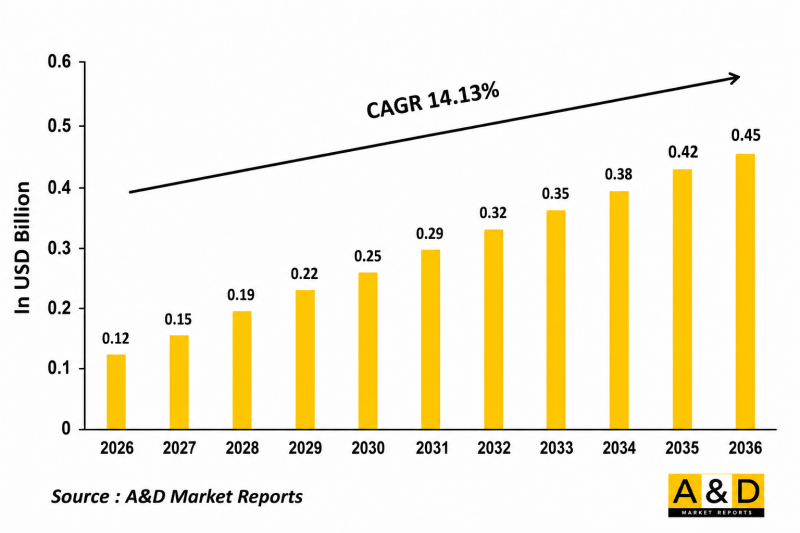
全球邊界掃描測試系統市場預計到 2026 年將達到 1.2 億美元,預計在 2026 年至 2036 年的預測期內將以 14.13% 的複合年成長率成長,到 2036 年達到 4.5 億美元。
1. 引言
邊界掃描測試系統是用於檢驗印刷電路基板和半導體裝置完整性和功能性的重要電子測試解決方案。這些系統使製造商無需直接接觸元件即可識別缺陷、連接問題和組裝錯誤。在可靠性和性能至關重要的行業中,邊界掃描技術在確保產品品質和降低維護成本方面發揮著至關重要的作用。隨著航太、國防、汽車和通訊等產業的電子系統日益複雜,先進測試技術的重要性也日益凸顯。邊界掃描解決方案支援從製造階段到整個產品生命週期的高效故障偵測,有助於縮短開發週期並提高產品可靠性。隨著電子架構日益複雜,製造商正在採用能夠處理微型元件和複雜積體電路的自動化測試平台,這使得邊界掃描測試系統成為現代電子產品生產和品質保證流程中不可或缺的組成部分。
2. 科技對全球邊界掃描測試系統市場的影響。
技術進步正在變革邊界掃描測試系統,提升測試覆蓋率、自動化程度和診斷能力。現代解決方案整合了軟體驅動的分析工具,支援複雜的多層電路設計,從而實現快速缺陷識別。人工智慧 (AI) 和機器學習技術增強了預測性診斷,並減少了測試流程中的人工干預。基於雲端的測試管理平台提供遠端存取和集中監控,提高了分散式製造工廠的營運效率。與自動化生產環境的整合實現了無縫資料交換和即時品管。先進的介面和高速通訊協定支援具有更高元件密度的下一代電子架構。半導體元件小型化的趨勢也推動了高精度調查方法的發展。這些創新提高了生產良率,降低了成本,並使製造商能夠在日益複雜的電子系統中保持高可靠性標準。
3. 全球邊界掃描測試系統市場的主要促進因素
電子組件日益複雜化是推動邊界掃描測試系統需求成長的主要動力。製造商需要高效的測試解決方案,以確保產品可靠性並最大限度地減少生產延誤。先進半導體裝置和多層電路基板的日益普及,也增加了精密故障偵測技術的需求。在航太和國防領域,可靠性和符合嚴格的品質標準至關重要,這進一步促進了自動化測試解決方案的應用。對連網型設備和通訊系統的需求不斷成長,導致需要全面測試的複雜電子設備數量增加。製造商也致力於透過自動化降低營運成本並提高生產效率。此外,數位化製造和智慧工廠的進步正在加速測試系統與生產流程的整合。電子設計的持續進步以及對減少產品故障的日益重視,預計將持續推動各行業對邊界掃描技術的需求。
4. 全球邊界掃描測試系統市場的區域趨勢
北美仍然是主要市場,這得益於其強大的航太、國防和半導體產業,這些產業對高度可靠的測試解決方案有著迫切的需求。在歐洲,對先進製造標準和品質保證的重視正在推動邊界掃描技術的廣泛應用。亞太地區正經歷顯著成長,這主要得益於電子製造能力的擴張和半導體生產投資的增加。在家用電子電器和電信產業蓬勃發展的國家,對自動化測試系統的需求也不斷成長。新興經濟體的工業化進程和電子產品出口的成長也促進了市場擴張。在中東,對國防電子和工業自動化投資的增加正在加速先進檢測技術的應用。在拉丁美洲,製造業基礎正在逐步擴大,從而催生了對尖端測試解決方案的需求。在所有地區,向數位化製造的轉型和對品質保證的日益重視都在持續推動邊界掃描測試系統的應用。
5. 全球邊界掃描測試系統市場的主要舉措
製造商和技術供應商正在實施旨在提高測試效率並支援日益複雜的電子系統的先進專案。這些努力的重點在於增強軟體功能、擴展與新興半導體架構的兼容性以及提高生產線的自動化程度。產業合作正在促進測試平台之間的標準化和互通性,從而確保其在各種應用中得到更廣泛的應用。研發專案專注於預測性診斷、人工智慧 (AI) 整合和基於雲端的資料管理解決方案。半導體製造商也正在投資下一代測試技術,以應對小型化帶來的挑戰。培訓和認證計畫正在實施,以幫助工程師最大限度地發揮邊界掃描技術的效用。這些努力正在提高產品品質、降低製造成本,並滿足航太、國防、通訊和工業應用領域對可靠電子系統日益成長的需求。
目錄
報告定義
分割
- 按地區
- 按組件
- 透過技術
- 透過使用
全球邊界掃描測試系統市場:未來十年分析
本章透過對未來 10 年的市場分析,詳細概述了市場成長、發展趨勢、技術採用和市場吸引力。
全球邊界掃描測試系統市場:技術趨勢
本部分將介紹預計將對該市場產生影響的十大技術,以及這些技術可能對整個市場產生的潛在影響。
全球航太與國防邊界掃描測試系統市場預測
上述各細分市場未來 10 年的市場預測已詳細說明。
全球邊界掃描測試系統市場:區域趨勢與預測
本部分涵蓋區域趨勢、促進因素、限制因素、挑戰以及該市場的政治、經濟、社會和技術層面。區域市場預測和情境分析也說明在本部分。區域分析的最後一部分包括主要參與者概況、供應商環境和公司標竿分析。目前市場規模是基於典型情境估算的。
- 北美洲
- 促進因素、阻礙因素、挑戰
- PEST
- 市場預測與情境分析
- 大公司
- 供應商層級概覽
- 企業標竿管理
- 歐洲
- 中東
- 亞太地區
- 南美洲
全球邊界掃描測試系統市場:國家分析
本章涵蓋該市場的主要國防項目,以及該市場的最新新聞和專利申請。此外,本章還包括針對特定國家的十年市場預測和情境分析。
- 美國
- 國防計劃
- 最新消息
- 專利
- 該市場目前的技術成熟度水平
- 市場預測與情境分析
- 加拿大
- 義大利
- 法國
- 德國
- 荷蘭
- 比利時
- 西班牙
- 瑞典
- 希臘
- 澳洲
- 南非
- 印度
- 中國
- 俄羅斯
- 韓國
- 日本
- 馬來西亞
- 新加坡
- 巴西
全球邊界掃描測試系統市場:機會矩陣
全球邊界掃描測試系統市場:專家觀點
結論
關於航空航太與國防市場報告
Global Boundary Scan Test Systems Market
The Global Boundary Scan Test Systems is estimated at USD 0.12 billion in 2026, projected to grow to USD 0.45 billion by 2036 at a Compound Annual Growth Rate (CAGR) of 14.13% over the forecast period 2026-2036.
1. Introduction
Boundary scan test systems are essential electronic testing solutions used to verify the integrity and functionality of printed circuit boards and semiconductor devices. These systems enable manufacturers to identify defects, connectivity issues, and assembly errors without requiring direct physical access to components. In industries where reliability and performance are critical, boundary scan technologies play a significant role in ensuring product quality and reducing maintenance costs. The growing complexity of electronic systems in aerospace, defense, automotive, and telecommunications sectors has increased the importance of advanced testing methods. Boundary scan solutions support efficient fault detection during manufacturing and throughout the product lifecycle. They also contribute to reducing development time and enhancing product reliability. As electronic architectures become increasingly sophisticated, manufacturers are adopting automated testing platforms capable of supporting miniaturized components and complex integrated circuits, making boundary scan test systems an indispensable element of modern electronics production and quality assurance processes.
2. Technology Impact in Global Boundary Scan Test Systems Market
Technological advancements are transforming boundary scan test systems by improving test coverage, automation, and diagnostic capabilities. Modern solutions integrate software-driven analysis tools and support complex multilayer circuit designs, enabling faster identification of faults. Artificial intelligence and machine learning technologies are enhancing predictive diagnostics and reducing manual intervention during testing procedures. Cloud-based test management platforms provide remote access and centralized monitoring, improving operational efficiency across distributed manufacturing facilities. Integration with automated production environments allows seamless data exchange and real-time quality control. Advanced interfaces and high-speed communication protocols support next-generation electronic architectures with increased component density. Miniaturization trends in semiconductor devices have also encouraged the development of highly accurate testing methodologies. These innovations are improving production yields, reducing costs, and enabling manufacturers to maintain high reliability standards across increasingly complex electronic systems.
3. Key Drivers in Global Boundary Scan Test Systems Market
The increasing complexity of electronic assemblies is a major factor driving demand for boundary scan test systems. Manufacturers require efficient testing solutions to ensure product reliability while minimizing production delays. Rising adoption of advanced semiconductor devices and multilayer circuit boards has created the need for sophisticated fault detection technologies. The aerospace and defense sectors place significant emphasis on reliability and compliance with stringent quality standards, further encouraging adoption of automated testing solutions. Growing demand for connected devices and communication systems has increased the volume of complex electronics requiring comprehensive inspection. Manufacturers are also focusing on reducing operational costs and enhancing production efficiency through automation. In addition, the trend toward digital manufacturing and smart factories has accelerated integration between testing systems and production processes. Continuous advancements in electronic design and increasing emphasis on reducing product failures are expected to sustain demand for boundary scan technologies across various industries.
4. Regional Trends in Global Boundary Scan Test Systems Market
North America remains a prominent market due to strong aerospace, defense, and semiconductor industries that require highly reliable testing solutions. Europe emphasizes advanced manufacturing standards and quality assurance, supporting widespread adoption of boundary scan technologies. The Asia-Pacific region is experiencing significant growth driven by expanding electronics manufacturing capabilities and increasing investments in semiconductor production. Countries with strong consumer electronics and telecommunications industries are strengthening demand for automated testing systems. Rising industrialization and growing electronics exports are also supporting market expansion across emerging economies. In the Middle East, increasing investments in defense electronics and industrial automation are encouraging adoption of advanced inspection technologies. Latin America is gradually expanding its manufacturing base, creating opportunities for modern testing solutions. Across regions, the transition toward digital manufacturing and greater focus on quality assurance continue to support the deployment of boundary scan test systems.
5. Key Global Boundary Scan Test Systems Market Program
Manufacturers and technology providers are introducing advanced programs aimed at improving testing efficiency and supporting increasingly complex electronic systems. These initiatives focus on enhancing software capabilities, expanding compatibility with emerging semiconductor architectures, and improving automation across production lines. Industry collaborations are promoting standardization and interoperability among testing platforms, ensuring broader adoption across different applications. Research and development programs emphasize predictive diagnostics, artificial intelligence integration, and cloud-based data management solutions. Semiconductor manufacturers are also investing in next-generation inspection methodologies to address miniaturization challenges. Training and certification programs are being introduced to help engineers maximize the effectiveness of boundary scan technologies. These efforts are strengthening product quality, reducing manufacturing costs, and supporting the growing demand for reliable electronic systems in aerospace, defense, telecommunications, and industrial applications.
Table of Contents
Global Aerospace and Defense Boundary Scan Test Systems Market Report Definition
Global Aerospace and Defense Boundary Scan Test Systems Market Segmentation
- By Region
- By Component
- By Technology
- By Application
Global Aerospace and Defense Boundary Scan Test Systems Market Analysis for next 10 Years
The 10-year Global Aerospace and Defense Boundary Scan Test Systems market analysis would give a detailed overview of Global Aerospace and Defense Boundary Scan Test Systems market growth, changing dynamics, technology adoption overviews and the overall market attractiveness is covered in this chapter.
Market Technologies of Global Aerospace and Defense Boundary Scan Test Systems Market
This segment covers the top 10 technologies that is expected to impact this market and the possible implications these technologies would have on the overall market.
Global Global Aerospace and Defense Boundary Scan Test Systems Market Forecast
The 10-year Global Aerospace and Defense Boundary Scan Test Systems market forecast of this market is covered in detailed across the segments which are mentioned above.
Regional Global Aerospace and Defense Boundary Scan Test Systems Market Trends & Forecast
The regional Global Aerospace and Defense Boundary Scan Test Systems market trends, drivers, restraints and Challenges of this market, the Political, Economic, Social and Technology aspects are covered in this segment. The market forecast and scenario analysis across regions are also covered in detailed in this segment. The last part of the regional analysis includes profiling of the key companies, supplier landscape and company benchmarking. The current market size is estimated based on the normal scenario.
- North America
- Drivers, Restraints and Challenges
- PEST
- Market Forecast & Scenario Analysis
- Key Companies
- Supplier Tier Landscape
- Company Benchmarking
- Europe
- Middle East
- APAC
- South America
Country Analysis of Global Aerospace and Defense Boundary Scan Test Systems Market
This chapter deals with the key defense programs in this market, it also covers the latest news and patents which have been filed in this market. Country level 10 year market forecast and scenario analysis are also covered in this chapter.
- US
- Defense Programs
- Latest News
- Patents
- Current levels of technology maturation in this market
- Market Forecast & Scenario Analysis
- Canada
- Italy
- France
- Germany
- Netherlands
- Belgium
- Spain
- Sweden
- Greece
- Australia
- South Africa
- India
- China
- Russia
- South Korea
- Japan
- Malaysia
- Singapore
- Brazil
Opportunity Matrix for Global Aerospace and Defense Boundary Scan Test Systems Market
The opportunity matrix helps the readers understand the high opportunity segments in this market.
Expert Opinions on Global Aerospace and Defense Boundary Scan Test Systems Market Report
Hear from our experts their opinion of the possible analysis for this market.
Conclusions
About Aviation and Defense Market Reports
List of Tables
- Table 1: 10 Year Market Outlook, 2026-2036
- Table 2: Drivers, Impact Analysis, North America
- Table 3: Restraints, Impact Analysis, North America
- Table 4: Challenges, Impact Analysis, North America
- Table 5: Drivers, Impact Analysis, Europe
- Table 6: Restraints, Impact Analysis, Europe
- Table 7: Challenges, Impact Analysis, Europe
- Table 8: Drivers, Impact Analysis, Middle East
- Table 9: Restraints, Impact Analysis, Middle East
- Table 10: Challenges, Impact Analysis, Middle East
- Table 11: Drivers, Impact Analysis, Apac
- Table 12: Restraints, Impact Analysis, Apac
- Table 13: Challenges, Impact Analysis, Apac
- Table 14: Drivers, Impact Analysis, South America
- Table 15: Restraints, Impact Analysis, South America
- Table 16: Challenges, Impact Analysis, South America
- Table 17: Scenario Analysis, Scenario 1, By Region, 2026-2036
- Table 18: Scenario Analysis, Scenario 1, By Technology 2026-2036
- Table 19: Scenario Analysis, Scenario 1, By Component, 2026-2036
- Table 20: Scenario Analysis, Scenario 2, By Region, 2026-2036
- Table 21: Scenario Analysis, Scenario 2, By Technology 2026-2036
- Table 22: Scenario Analysis, Scenario 2, By Component, 2026-2036
List of Figures
- Figure 1: Global Defense Boundary Scan Test Systems Market Forecast, 2026-2036
- Figure 2: Global Defense Boundary Scan Test Systems Market Forecast, By Region, 2026-2036
- Figure 3: Global Defense Boundary Scan Test Systems Market Forecast, By Technology 2026-2036
- Figure 4: Global Defense Boundary Scan Test Systems Market Forecast, By Component, 2026-2036
- Figure 5: North America, Defense Boundary Scan Test Systems Market, Market Forecast, 2026-2036
- Figure 6: Europe, Defense Boundary Scan Test Systems Market, Market Forecast, 2026-2036
- Figure 7: Middle East, Defense Boundary Scan Test Systems Market, Market Forecast, 2026-2036
- Figure 8: Apac, Defense Boundary Scan Test Systems Market, Market Forecast, 2026-2036
- Figure 9: South America, Defense Boundary Scan Test Systems Market, Market Forecast, 2026-2036
- Figure 10: United States, Defense Boundary Scan Test Systems Market, Region Maturation, 2026-2036
- Figure 11: United States, Defense Boundary Scan Test Systems Market, Market Forecast, 2026-2036
- Figure 12: Canada, Defense Boundary Scan Test Systems Market, Region Maturation, 2026-2036
- Figure 13: Canada, Defense Boundary Scan Test Systems Market, Market Forecast, 2026-2036
- Figure 14: Italy, Defense Boundary Scan Test Systems Market, Region Maturation, 2026-2036
- Figure 15: Italy, Defense Boundary Scan Test Systems Market, Market Forecast, 2026-2036
- Figure 16: France, Defense Boundary Scan Test Systems Market, Region Maturation, 2026-2036
- Figure 17: France, Defense Boundary Scan Test Systems Market, Market Forecast, 2026-2036
- Figure 18: Germany, Defense Boundary Scan Test Systems Market, Region Maturation, 2026-2036
- Figure 19: Germany, Defense Boundary Scan Test Systems Market, Market Forecast, 2026-2036
- Figure 20: Netherlands, Defense Boundary Scan Test Systems Market, Region Maturation, 2026-2036
- Figure 21: Netherlands, Defense Boundary Scan Test Systems Market, Market Forecast, 2026-2036
- Figure 22: Belgium, Defense Boundary Scan Test Systems Market, Region Maturation, 2026-2036
- Figure 23: Belgium, Defense Boundary Scan Test Systems Market, Market Forecast, 2026-2036
- Figure 24: Spain, Defense Boundary Scan Test Systems Market, Region Maturation, 2026-2036
- Figure 25: Spain, Defense Boundary Scan Test Systems Market, Market Forecast, 2026-2036
- Figure 26: Sweden, Defense Boundary Scan Test Systems Market, Region Maturation, 2026-2036
- Figure 27: Sweden, Defense Boundary Scan Test Systems Market, Market Forecast, 2026-2036
- Figure 28: Brazil, Defense Boundary Scan Test Systems Market, Region Maturation, 2026-2036
- Figure 29: Brazil, Defense Boundary Scan Test Systems Market, Market Forecast, 2026-2036
- Figure 30: Australia, Defense Boundary Scan Test Systems Market, Region Maturation, 2026-2036
- Figure 31: Australia, Defense Boundary Scan Test Systems Market, Market Forecast, 2026-2036
- Figure 32: India, Defense Boundary Scan Test Systems Market, Region Maturation, 2026-2036
- Figure 33: India, Defense Boundary Scan Test Systems Market, Market Forecast, 2026-2036
- Figure 34: China, Defense Boundary Scan Test Systems Market, Region Maturation, 2026-2036
- Figure 35: China, Defense Boundary Scan Test Systems Market, Market Forecast, 2026-2036
- Figure 36: Saudi Arabia, Defense Boundary Scan Test Systems Market, Region Maturation, 2026-2036
- Figure 37: Saudi Arabia, Defense Boundary Scan Test Systems Market, Market Forecast, 2026-2036
- Figure 38: South Korea, Defense Boundary Scan Test Systems Market, Region Maturation, 2026-2036
- Figure 39: South Korea, Defense Boundary Scan Test Systems Market, Market Forecast, 2026-2036
- Figure 40: Japan, Defense Boundary Scan Test Systems Market, Region Maturation, 2026-2036
- Figure 41: Japan, Defense Boundary Scan Test Systems Market, Market Forecast, 2026-2036
- Figure 42: Malaysia, Defense Boundary Scan Test Systems Market, Region Maturation, 2026-2036
- Figure 43: Malaysia, Defense Boundary Scan Test Systems Market, Market Forecast, 2026-2036
- Figure 44: Singapore, Defense Boundary Scan Test Systems Market, Region Maturation, 2026-2036
- Figure 45: Singapore, Defense Boundary Scan Test Systems Market, Market Forecast, 2026-2036
- Figure 46: United Kingdom, Defense Boundary Scan Test Systems Market, Region Maturation, 2026-2036
- Figure 47: United Kingdom, Defense Boundary Scan Test Systems Market, Market Forecast, 2026-2036
- Figure 48: Opportunity Analysis, Defense Boundary Scan Test Systems Market, By Region (Cumulative Market), 2026-2036
- Figure 49: Opportunity Analysis, Defense Boundary Scan Test Systems Market, By Region (Cagr), 2026-2036
- Figure 50: Opportunity Analysis, Defense Boundary Scan Test Systems Market, By Technology Cumulative Market), 2026-2036
- Figure 51: Opportunity Analysis, Defense Boundary Scan Test Systems Market, By Technology (Cagr), 2026-2036
- Figure 52: Opportunity Analysis, Defense Boundary Scan Test Systems Market, By Component(Cumulative Market), 2026-2036
- Figure 53: Opportunity Analysis, Defense Boundary Scan Test Systems Market, By Component (Cagr), 2026-2036
- Figure 54: Scenario Analysis, Defense Boundary Scan Test Systems Market, Cumulative Market, 2026-2036
- Figure 55: Scenario Analysis, Defense Boundary Scan Test Systems Market, Global Market, 2026-2036
- Figure 56: Scenario 1, Defense Boundary Scan Test Systems Market, Total Market, 2026-2036
- Figure 57: Scenario 1, Defense Boundary Scan Test Systems Market, By Region, 2026-2036
- Figure 58: Scenario 1, Defense Boundary Scan Test Systems Market, By Technology 2026-2036
- Figure 59: Scenario 1, Defense Boundary Scan Test Systems Market, By Component, 2026-2036
- Figure 60: Scenario 2, Defense Boundary Scan Test Systems Market, Total Market, 2026-2036
- Figure 61: Scenario 2, Defense Boundary Scan Test Systems Market, By Region, 2026-2036
- Figure 62: Scenario 2, Defense Boundary Scan Test Systems Market, By Technology 2026-2036
- Figure 63: Scenario 2, Defense Boundary Scan Test Systems Market, By Component, 2026-2036
- Figure 64: Company Benchmark, Defense Boundary Scan Test Systems Market, 2026-2036

 探桿式測深系統市場分析及至2035年預測:類型、產品、技術、組件、應用、最終用戶、功能、安裝配置、設備
 半導體測試市場:預測至 2034 年 - 按測試類型、測試技術、測試尺寸、晶圓尺寸、製程節點、應用、最終用戶和地區分類的全球分析
 印刷基板檢測設備:市場佔有率分析、產業趨勢與統計、成長預測(2026-2031)半導體測試和檢測設備市場預測至2034年——全球設備類型、技術、製程階段、自動化程度、應用、最終用戶和區域分析
 半導體自動化測試設備市場:2026-2032年全球市場預測(依產品類型、測試等級、半導體類型、應用、最終用戶和銷售管道)半導體測試和檢測設備市場預測至2034年-按設備類型、測試階段、技術、半導體類型和地區分類的全球分析
 2026年全球半導體自動測量與控制(AMC)監視器市場報告半導體測試測量設備市場預測—全球按類型、功能、技術、應用和地區分類的分析—2034年
 半導體測試系統市場機會、成長要素、產業趨勢分析及2026-2035年預測
 直流探針台市場報告:趨勢、預測與競爭分析(至2035年)