


 |
市場調查報告書
商品編碼
2066785
全球電子戰模擬市場:2026-2036年Global Electronic Warfare Simulation Market 2026-2036 |
||||||

全球電子戰模擬市場
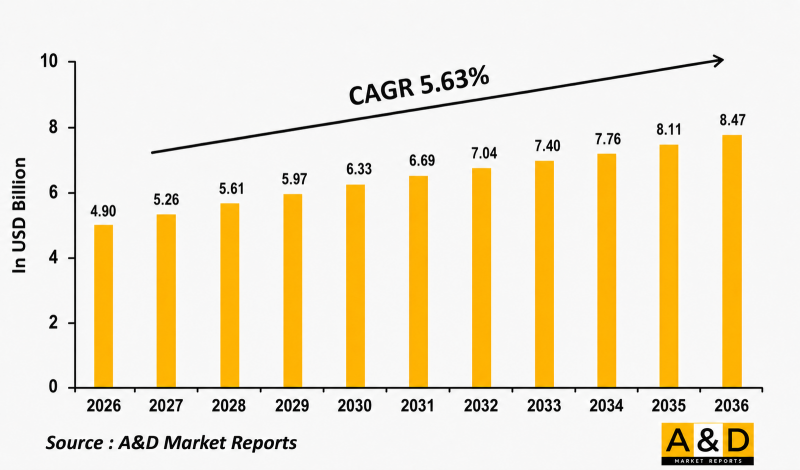
全球電子戰模擬市場預計到 2026 年將達到 49 億美元,預計在 2026 年至 2036 年的預測期內將以 5.63% 的複合年成長率成長,到 2036 年將達到 84.7 億美元。
1. 引言
電子戰模擬市場在訓練軍事人員應對日益複雜的電磁戰環境方面發揮著至關重要的作用。電子戰模擬提供逼真的訓練平台,能夠模擬雷達系統、通訊網路、訊號情報(SIGINT)行動、電子攻擊和電子防禦措施。這些解決方案使國防機構能夠在不承擔實地演習風險的情況下,訓練人員掌握威脅識別、頻寬管理、干擾技術和對抗措施部署等技能。隨著各國軍隊不斷將資訊優勢和頻寬優勢置於優先地位,模擬技術已成為確保戰備狀態和作戰效能的關鍵工具。現代電子戰訓練環境整合了多個領域和平台,使人員能夠演練針對複雜威脅的協同應對措施。數位戰概念和網路中心戰的日益普及進一步提升了對先進類比解決方案的需求。隨著國防機構尋求經濟高效且適應性強的訓練系統,電子戰模擬市場在全球軍事現代化舉措中日益佔戰略重要地位。
2. 科技對電子戰模擬市場的影響
人工智慧、虛擬環境和即時數據處理技術的進步正在從根本上改變電子戰模擬市場。現代模擬平台能夠複製高度動態的電磁環境,從而實現針對不斷演變的威脅的逼真訓練。人工智慧透過引入自適應的敵方行為和複雜的作戰條件,增強了場景生成能力。雲端架構支援分散式訓練,允許多個單位從不同地點參與演習。數位雙胞胎技術提高了類比平台和系統的精度,而先進的視覺化工具則提供了沉浸式的學習體驗。此外,網路戰和電子戰領域的融合創造了一個更全面的訓練環境。機器學習演算法輔助訊號辨識和威脅分析,提高了操作人員的戰備水準。先進的網路技術進一步增強了訓練系統之間的互通性。這些技術進步使國防機構能夠建立更逼真、擴充性和高效的模擬程序,從而忠實地再現現代作戰環境。
3. 電子戰模擬市場的主要促進因素
電子戰模擬市場的發展動力源自於現代軍事行動日益複雜化以及電磁頻譜控制重要性的不斷提升。國防部隊面臨複雜的電子威脅,需要訓練有素、能夠快速有效應對的人員。模擬平台為培養這些技能提供了一個安全且經濟高效的環境。先進雷達系統、通訊網路和電子攻擊能力的日益部署,推動了對逼真訓練解決方案的需求。此外,國防能力的現代化努力也促進了模擬技術的應用,以提高戰備水準並降低實地演習的運作成本。
另一個關鍵促進因素是將電子戰融入多域作戰。軍事組織需要能夠協調陸地、空中、海上、太空和網路空間行動的人員。模擬系統有助於聯合訓練,並提高不同部隊和軍種之間的互通性。此外,對人工智慧、網路防禦和數位戰技術的投資不斷增加,正在擴大電子戰訓練項目的範圍和複雜程度,從而支持市場的持續成長。
4. 電子戰模擬市場的區域趨勢
北美地區在電子戰模擬市場仍處於領先地位,這主要得益於國防現代化、先進的訓練基礎設施以及對電子戰能力的大規模投資。該地區的軍事機構正積極採用新一代模擬系統,以應對日益激烈的電磁環境競爭。
歐洲的重點是聯合防禦舉措和多國聯合訓練項目,這些項目強調互通性和頻寬管理。區域國防機構正在投資建立先進的模擬環境,以增強應對不斷演變的威脅的能力。
在亞太地區,由於國防費用增加、現代化建設推進以及對電子戰能力的日益重視,需求正在擴大。各國正在投資建造先進的訓練平台,以支持不斷擴大的軍事行動和技術發展。
在中東,國防訓練基礎設施正透過投資模擬技術得到加強,這些技術能夠提高作戰準備水準並降低訓練成本。此外,該地區的新興經濟體正在將電子戰模擬解決方案納入其更廣泛的軍事現代化策略,從而促進了全球市場的擴張。
本報告分析了全球電子戰模擬市場,總結了關鍵趨勢、市場影響因素、主要技術及其影響、主要地區和國家的趨勢以及市場機會分析。
目錄
全球電子戰模擬市場:目錄
全球電子戰模擬市場:報告定義
全球電子戰模擬市場:細分
按地區
透過技術
用途別
按平台
全球電子戰模擬市場:未來十年分析
本報告基於 10 年的市場分析,詳細說明了市場成長、發展趨勢、技術採用概述以及市場吸引力。
全球電子戰模擬市場:市場技術
本文說明了預計將對市場產生影響的十大技術及其對整體市場的潛在影響。
全球電子戰模擬市場:市場預測
以上各細分市場均有詳細的十年市場預測。
全球電子戰模擬市場:區域趨勢與預測
我們提供區域市場趨勢、促進因素、阻礙因素、挑戰以及PEST(政治、經濟、社會和技術)分析。此外,我們還提供區域市場預測和情境分析、重點公司概況、供應商概況以及公司標竿分析。
北美洲
促進因素、限制因素與挑戰
PEST分析
市場預測與情境分析
大公司
供應商層級狀態
企業標竿管理
歐洲
中東
亞太地區
南美洲
全球電子戰模擬市場:國家分析
本說明關鍵國防項目、最新新聞和專利,以及針對特定國家的 10 年市場預測和情境分析。
美國
國防計劃
最新消息
專利
目前技術成熟度
市場預測與情境分析
加拿大
義大利
法國
德國
荷蘭
比利時
西班牙
瑞典
希臘
澳洲
南非
印度
中國
俄羅斯
韓國
日本
馬來西亞
新加坡
巴西
全球電子戰模擬市場:機會矩陣
專家對該報告的意見
結論
關於航空航太和國防市場報告
Global Electronic Warfare Simulation Market
The Global Electronic Warfare Simulation Market is estimated at USD 4.9 billion in 2026, projected to grow to USD 8.47 billion by 2036 at a Compound Annual Growth Rate (CAGR) of 5.63% over the forecast period 2026-2036.
1. Introduction
The Electronic Warfare Simulation Market plays a vital role in preparing military personnel for increasingly complex electromagnetic battlespace environments. Electronic warfare simulations provide realistic training platforms that replicate radar systems, communication networks, signal intelligence operations, electronic attacks, and electronic protection measures. These solutions enable defense organizations to train operators in threat recognition, spectrum management, jamming techniques, and countermeasure deployment without the risks associated with live exercises. As military forces continue to emphasize information dominance and spectrum superiority, simulation technologies have become essential tools for readiness and operational effectiveness. Modern electronic warfare training environments integrate multiple domains and platforms, allowing personnel to practice coordinated responses against sophisticated threats. The growing adoption of digital warfare concepts and network-centric operations is further strengthening demand for advanced simulation solutions. As defense agencies seek cost-effective and adaptable training systems, the electronic warfare simulation market continues to gain strategic importance across global military modernization initiatives.
2. Technology Impact in Electronic Warfare Simulation Market
Technology is significantly transforming the electronic warfare simulation market through advancements in artificial intelligence, virtual environments, and real-time data processing. Modern simulation platforms can replicate highly dynamic electromagnetic environments, enabling realistic training against evolving threats. Artificial intelligence enhances scenario generation by introducing adaptive adversary behaviors and complex operational conditions. Cloud-enabled architectures support distributed training, allowing multiple units to participate in exercises from different locations. Digital twin technologies are improving the accuracy of simulated platforms and systems, while advanced visualization tools provide immersive learning experiences. The integration of cyber and electronic warfare domains is also creating more comprehensive training environments. Machine learning algorithms assist in signal recognition and threat analysis, improving operator preparedness. Enhanced networking technologies further enable seamless interoperability among training systems. These technological developments are helping defense organizations create more realistic, scalable, and effective simulation programs that mirror contemporary operational environments.
3. Key Drivers in Electronic Warfare Simulation Market
The Electronic Warfare Simulation Market is driven by the increasing complexity of modern military operations and the growing importance of electromagnetic spectrum dominance. Defense forces are facing sophisticated electronic threats that require highly trained personnel capable of responding rapidly and effectively. Simulation platforms provide a safe and cost-efficient environment for developing these skills. The growing deployment of advanced radar systems, communication networks, and electronic attack capabilities is creating demand for realistic training solutions. Defense modernization initiatives are also encouraging the adoption of simulation technologies to improve readiness while reducing operational costs associated with live exercises.
Another important driver is the integration of electronic warfare into multi-domain operations. Military organizations require personnel who can coordinate activities across land, air, sea, space, and cyber environments. Simulation systems facilitate joint training and enhance interoperability among different units and services. Additionally, increasing investments in artificial intelligence, cyber defense, and digital warfare technologies are expanding the scope and sophistication of electronic warfare training programs, supporting sustained market growth.
4. Regional Trends in Electronic Warfare Simulation Market
North America remains a prominent region in the Electronic Warfare Simulation Market due to extensive investments in defense modernization, advanced training infrastructure, and electronic warfare capabilities. Military organizations in the region are actively adopting next-generation simulation systems to prepare personnel for increasingly contested electromagnetic environments.
Europe is focusing on collaborative defense initiatives and multinational training programs that emphasize interoperability and spectrum management. Regional defense organizations are investing in sophisticated simulation environments to strengthen preparedness against evolving threats.
The Asia-Pacific region is witnessing growing demand driven by rising defense expenditures, modernization efforts, and increasing focus on electronic warfare capabilities. Countries are investing in advanced training platforms to support expanding military operations and technological development.
The Middle East is enhancing its defense training infrastructure through investments in simulation technologies that improve operational readiness and reduce training costs. Emerging economies across various regions are also adopting electronic warfare simulation solutions as part of broader military modernization strategies, contributing to the market's global expansion.
5. Key Electronic Warfare Simulation Market Program
Key programs within the Electronic Warfare Simulation Market focus on creating comprehensive and realistic training environments that support operational readiness and technological advancement. These programs involve the development of integrated simulation platforms capable of replicating electronic attack, electronic support, and electronic protection missions across multiple domains.
Defense organizations are investing in distributed training networks that allow geographically dispersed personnel to participate in synchronized exercises. Program initiatives also emphasize interoperability between simulation systems and operational platforms, ensuring seamless transition from training to real-world missions. Artificial intelligence-enabled scenario generation, advanced threat libraries, and real-time performance assessment tools are increasingly incorporated into modern programs.
Research and development efforts focus on integrating cyber warfare, space-based operations, and emerging electronic warfare technologies into training frameworks. Partnerships between military agencies, defense contractors, and technology providers are accelerating innovation and expanding simulation capabilities. These programs play a critical role in enhancing military preparedness, improving operator proficiency, and supporting future electronic warfare requirements.
Table of Contents
Electronic Warfare Simulation Market - Table of Contents
Electronic Warfare Simulation market Report Definition
Electronic Warfare Simulation market Segmentation
By Region
By Technology
By Application
By Platform
Electronic Warfare Simulation market Analysis for next 10 Years
The 10-year Electronic Warfare Simulation market analysis would give a detailed overview of Electronic Warfare Simulation market growth, changing dynamics, technology adoption overviews and the overall market attractiveness is covered in this chapter.
Market Technologies of Electronic Warfare Simulation market
This segment covers the top 10 technologies that is expected to impact this market and the possible implications these technologies would have on the overall market.
Global Electronic Warfare Simulation market Forecast
The 10-year Electronic Warfare Simulation market forecast of this market is covered in detailed across the segments which are mentioned above.
Regional Electronic Warfare Simulation market Trends & Forecast
The regional Electronic Warfare Simulation market trends, drivers, restraints and Challenges of this market, the Political, Economic, Social and Technology aspects are covered in this segment. The market forecast and scenario analysis across regions are also covered in detailed in this segment. The last part of the regional analysis includes profiling of the key companies, supplier landscape and company benchmarking. The current market size is estimated based on the normal scenario.
North America
Drivers, Restraints and Challenges
PEST
Market Forecast & Scenario Analysis
Key Companies
Supplier Tier Landscape
Company Benchmarking
Europe
Middle East
APAC
South America
Country Analysis of Access Control Market
This chapter deals with the key defense programs in this market, it also covers the latest news and patents which have been filed in this market. Country level 10 year market forecast and scenario analysis are also covered in this chapter.
US
Defense Programs
Latest News
Patents
Current levels of technology maturation in this market
Market Forecast & Scenario Analysis
Canada
Italy
France
Germany
Netherlands
Belgium
Spain
Sweden
Greece
Australia
South Africa
India
China
Russia
South Korea
Japan
Malaysia
Singapore
Brazil
Opportunity Matrix for Electronic Warfare Simulation market
The opportunity matrix helps the readers understand the high opportunity segments in this market.
Expert Opinions on Electronic Warfare Simulation market Report
Hear from our experts their opinion of the possible analysis for this market.
Conclusions
About Aviation and Defense Market Reports
List of Tables
- Table 1: 10 Year Market Outlook, 2026-2036
- Table 2: Drivers, Impact Analysis, North America
- Table 3: Restraints, Impact Analysis, North America
- Table 4: Challenges, Impact Analysis, North America
- Table 5: Drivers, Impact Analysis, Europe
- Table 6: Restraints, Impact Analysis, Europe
- Table 7: Challenges, Impact Analysis, Europe
- Table 8: Drivers, Impact Analysis, Middle East
- Table 9: Restraints, Impact Analysis, Middle East
- Table 10: Challenges, Impact Analysis, Middle East
- Table 11: Drivers, Impact Analysis, Apac
- Table 12: Restraints, Impact Analysis, Apac
- Table 13: Challenges, Impact Analysis, Apac
- Table 14: Drivers, Impact Analysis, South America
- Table 15: Restraints, Impact Analysis, South America
- Table 16: Challenges, Impact Analysis, South America
- Table 17: Scenario Analysis, Scenario 1, By Region, 2026-2036
- Table 18: Scenario Analysis, Scenario 1, By Technology, 2026-2036
- Table 19: Scenario Analysis, Scenario 1, By Application, 2026-2036
- Table 20: Scenario Analysis, Scenario 2, By Region, 2026-2036
- Table 21: Scenario Analysis, Scenario 2, By Technology, 2026-2036
- Table 22: Scenario Analysis, Scenario 2, By Application, 2026-2036
List of Figures
- Figure 1: Global Defense Electronic Warfare Simulation Market Forecast, 2026-2036
- Figure 2: Global Defense Electronic Warfare Simulation Market Forecast, By Region, 2026-2036
- Figure 3: Global Defense Electronic Warfare Simulation Market Forecast, By Technology2026-2036
- Figure 4: Global Defense Electronic Warfare Simulation Market Forecast, By Application, 2026-2036
- Figure 5: North America, Defense Electronic Warfare Simulation Market, Market Forecast, 2026-2036
- Figure 6: Europe, Defense Electronic Warfare Simulation Market, Market Forecast, 2026-2036
- Figure 7: Middle East, Defense Electronic Warfare Simulation Market, Market Forecast, 2026-2036
- Figure 8: Apac, Defense Electronic Warfare Simulation Market, Market Forecast, 2026-2036
- Figure 9: South America, Defense Electronic Warfare Simulation Market, Market Forecast, 2026-2036
- Figure 10: United States, Defense Electronic Warfare Simulation Market, Region Maturation, 2026-2036
- Figure 11: United States, Defense Electronic Warfare Simulation Market, Market Forecast, 2026-2036
- Figure 12: Canada, Defense Electronic Warfare Simulation Market, Region Maturation, 2026-2036
- Figure 13: Canada, Defense Electronic Warfare Simulation Market, Market Forecast, 2026-2036
- Figure 14: Italy, Defense Electronic Warfare Simulation Market, Region Maturation, 2026-2036
- Figure 15: Italy, Defense Electronic Warfare Simulation Market, Market Forecast, 2026-2036
- Figure 16: France, Defense Electronic Warfare Simulation Market, Region Maturation, 2026-2036
- Figure 17: France, Defense Electronic Warfare Simulation Market, Market Forecast, 2026-2036
- Figure 18: Germany, Defense Electronic Warfare Simulation Market, Region Maturation, 2026-2036
- Figure 19: Germany, Defense Electronic Warfare Simulation Market, Market Forecast, 2026-2036
- Figure 20: Netherlands, Defense Electronic Warfare Simulation Market, Region Maturation, 2026-2036
- Figure 21: Netherlands, Defense Electronic Warfare Simulation Market, Market Forecast, 2026-2036
- Figure 22: Belgium, Defense Electronic Warfare Simulation Market, Region Maturation, 2026-2036
- Figure 23: Belgium, Defense Electronic Warfare Simulation Market, Market Forecast, 2026-2036
- Figure 24: Spain, Defense Electronic Warfare Simulation Market, Region Maturation, 2026-2036
- Figure 25: Spain, Defense Electronic Warfare Simulation Market, Market Forecast, 2026-2036
- Figure 26: Sweden, Defense Electronic Warfare Simulation Market, Region Maturation, 2026-2036
- Figure 27: Sweden, Defense Electronic Warfare Simulation Market, Market Forecast, 2026-2036
- Figure 28: Brazil, Defense Electronic Warfare Simulation Market, Region Maturation, 2026-2036
- Figure 29: Brazil, Defense Electronic Warfare Simulation Market, Market Forecast, 2026-2036
- Figure 30: Australia, Defense Electronic Warfare Simulation Market, Region Maturation, 2026-2036
- Figure 31: Australia, Defense Electronic Warfare Simulation Market, Market Forecast, 2026-2036
- Figure 32: India, Defense Electronic Warfare Simulation Market, Region Maturation, 2026-2036
- Figure 33: India, Defense Electronic Warfare Simulation Market, Market Forecast, 2026-2036
- Figure 34: China, Defense Electronic Warfare Simulation Market, Region Maturation, 2026-2036
- Figure 35: China, Defense Electronic Warfare Simulation Market, Market Forecast, 2026-2036
- Figure 36: Saudi Arabia, Defense Electronic Warfare Simulation Market, Region Maturation, 2026-2036
- Figure 37: Saudi Arabia, Defense Electronic Warfare Simulation Market, Market Forecast, 2026-2036
- Figure 38: South Korea, Defense Electronic Warfare Simulation Market, Region Maturation, 2026-2036
- Figure 39: South Korea, Defense Electronic Warfare Simulation Market, Market Forecast, 2026-2036
- Figure 40: Japan, Defense Electronic Warfare Simulation Market, Region Maturation, 2026-2036
- Figure 41: Japan, Defense Electronic Warfare Simulation Market, Market Forecast, 2026-2036
- Figure 42: Malaysia, Defense Electronic Warfare Simulation Market, Region Maturation, 2026-2036
- Figure 43: Malaysia, Defense Electronic Warfare Simulation Market, Market Forecast, 2026-2036
- Figure 44: Singapore, Defense Electronic Warfare Simulation Market, Region Maturation, 2026-2036
- Figure 45: Singapore, Defense Electronic Warfare Simulation Market, Market Forecast, 2026-2036
- Figure 46: United Kingdom, Defense Electronic Warfare Simulation Market, Region Maturation, 2026-2036
- Figure 47: United Kingdom, Defense Electronic Warfare Simulation Market, Market Forecast, 2026-2036
- Figure 48: Opportunity Analysis, Defense Electronic Warfare Simulation Market, By Region (Cumulative Market), 2026-2036
- Figure 49: Opportunity Analysis, Defense Electronic Warfare Simulation Market, By Region (Cagr), 2026-2036
- Figure 50: Opportunity Analysis, Defense Electronic Warfare Simulation Market, By Technology Cumulative Market), 2026-2036
- Figure 51: Opportunity Analysis, Defense Electronic Warfare Simulation Market, By Technology(Cagr), 2026-2036
- Figure 52: Opportunity Analysis, Defense Electronic Warfare Simulation Market, By Application(Cumulative Market), 2026-2036
- Figure 53: Opportunity Analysis, Defense Electronic Warfare Simulation Market, By Application (Cagr), 2026-2036
- Figure 54: Scenario Analysis, Defense Electronic Warfare Simulation Market, Cumulative Market, 2026-2036
- Figure 55: Scenario Analysis, Defense Electronic Warfare Simulation Market, Global Market, 2026-2036
- Figure 56: Scenario 1, Defense Electronic Warfare Simulation Market, Total Market, 2026-2036
- Figure 57: Scenario 1, Defense Electronic Warfare Simulation Market, By Region, 2026-2036
- Figure 58: Scenario 1, Defense Electronic Warfare Simulation Market, By Technology, 2026-2036
- Figure 59: Scenario 1, Defense Electronic Warfare Simulation Market, By Application, 2026-2036
- Figure 60: Scenario 2, Defense Electronic Warfare Simulation Market, Total Market, 2026-2036
- Figure 61: Scenario 2, Defense Electronic Warfare Simulation Market, By Region, 2026-2036
- Figure 62: Scenario 2, Defense Electronic Warfare Simulation Market, By Technology, 2026-2036
- Figure 63: Scenario 2, Defense Electronic Warfare Simulation Market, By Application, 2026-2036
- Figure 64: Company Benchmark, Defense Electronic Warfare Simulation Market, 2026-2036

 無人電子戰市場-2026-2032年全球市場預測電子戰市場-2026-2032年全球市場預測
 電子戰系統市場機會、成長促進因素、產業趨勢分析及2026-2035年預測。
 無人電子戰市場:依產品、操作、功能、平台、國家及地區分類-全球產業分析、市場規模與佔有率及未來預測(2026-2033)
 低成本電子戰無人機市場規模、佔有率、成長、全球產業分析、區域趨勢及2026-2034年預測。
 低頻寬電子戰系統市場-全球產業規模、佔有率、趨勢、機會、預測:按類型、平台、應用、最終用途、地區和競爭格局分類,2021-2031年無人電子戰市場報告:趨勢、預測與競爭分析(至2035年)
 電子對抗市場規模、佔有率和成長分析:按平台、功能、產品類型、應用、銷售管道和地區分類-2026-2033年產業預測低成本電子戰無人機市場報告:趨勢、預測與競爭分析(至2035年)全球電子戰市場:2026-2036年