


 |
市場調查報告書
商品編碼
2037796
全球海上空中監視市場:2026-2036年Global Maritime Aircraft Surveillance Market 2026-2036 |
||||||

全球海上空中監視市場
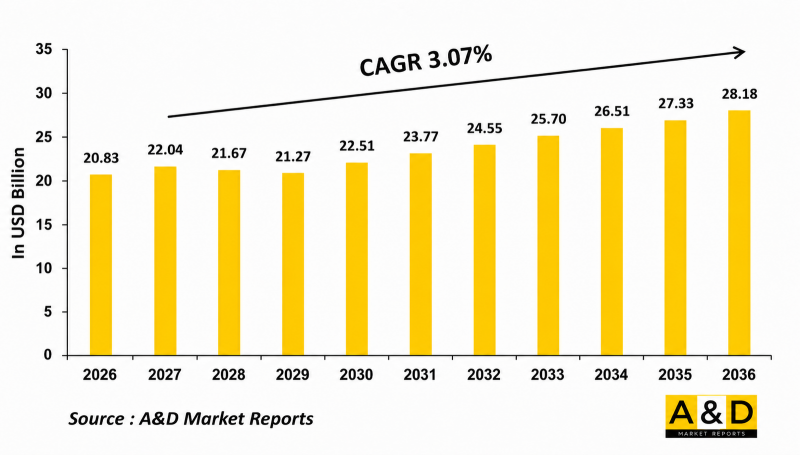
全球海上空中監視市場預計到 2026 年將達到 208.3 億美元,預計在 2026 年至 2036 年的預測期內將以 3.07% 的年複合成長率成長,到 2036 年達到 281.8 億美元。
1. 引言
隨著世界各國政府和國防機構不斷加強海上態勢感知,全球海上空中監視市場的重要性日益凸顯。海上監視飛機在監測領海、保護貿易航線、進行搜救行動以及偵測非法海上活動方面發揮著至關重要的作用。這些飛機配備了先進的感測器、雷達系統和通訊技術,能夠對廣闊的海洋區域進行即時監測。
海軍安全、海岸監視和專屬經濟區保護日益重要,推動了對先進海上監視平台的投資。現代監視飛機能夠追蹤船艦、潛水艇和空中威脅,同時支援情報收集和災害應變任務。
地緣政治緊張局勢加劇、海盜活動猖獗以及海上貿易活性化,正促使各國擴大其監視活動。各國政府也正在整合有人駕駛飛機、無人系統和衛星監視技術,以擴大行動範圍,並提高在複雜海上環境中的反應效率。
2. 科技對全球海上空中監視市場的影響
技術進步正在改變海上空中監視市場,提升探測精度、作戰時長和即時數據處理能力。現代監視飛機擴大配備合成孔徑雷達、光電感測器、紅外線成像系統和衛星通訊技術。這些創新增強了在各種環境條件下監測廣大海域的能力。
人工智慧和機器學習在海上監視活動中發揮著日益重要的作用。人工智慧驅動的分析有助於識別可疑船舶行為,提高威脅分類的準確性,並實現對海上活動的預測性監測。此外,數據融合技術能夠無縫整合來自飛機、衛星、海岸雷達系統和無人平台的資訊。
通訊系統的進步加強了海軍、海岸警衛隊和空中監視部隊之間的即時協調。此外,無人機和自主海上監視系統的日益普及提高了作戰柔軟性並降低了任務成本。
基於雲端的智慧平台、先進的導航系統和高性能感測器不斷擴展海上監視飛機在國防和民用領域的應用能力。
3. 全球海上空中監視市場的主要市場促進因素
海上安全日益重要,這是全球海上空中監視市場的主要驅動力。世界各國政府都在加強監視活動,以打擊在其領海和戰略航道上的非法捕魚、海盜行為、走私活動和未經授權的海上活動。
關鍵海域日益加劇的地緣政治緊張局勢和領土爭端正推動各國加大對空中監視能力的投資。各國將海上態勢感知置於優先地位,以監控海上動向、保障近海資源安全並強化自身防禦戰略。
國際貿易和航運活動的擴張也促進了市場成長。海上監視飛機有助於確保航行安全、監控重要航道,並在發生事故或自然災害時支援緊急應變活動。
雷達系統、衛星通訊和人工智慧領域的技術進步正進一步加速市場應用。現代偵察機配備了增強的目標探測和資料共用能力,使其能夠執行更長的任務。天基海上監視技術也與飛機系統相輔相成,提供了更廣泛的監視範圍。
另一個重要的成長要素是無人監視平台的日益普及。國防機構和海岸防衛隊正在將無人機整合到其傳統的飛機系統中,以提高作戰效率並降低監視成本。
環境監測和災害管理活動也推動了對海上監視飛機的需求。這些平台廣泛用於沿海和海洋區域的溢油檢測、氣候監測以及搜救任務。
4. 全球海上監視設備市場的區域趨勢
北美憑藉其強大的海軍實力、先進的航太技術和廣泛的沿海巡邏活動,繼續引領海上監視飛機市場。該地區高度重視綜合監視系統和海上情報收集。
在歐洲,為加強邊防安全和保護重要海上航道,對海上巡邏和監視飛機的投資正在增加。區域防務合作正在加速監視機隊的現代化和先進機載監視技術的引進。
亞太地區正崛起為高成長區域,其驅動力包括日益加劇的海上衝突、不斷擴大的海軍行動以及不斷成長的國防費用。各國正加強沿海監視網路,並投資研發配備最新雷達和感測器技術的先進飛機。
在中東,海上監視能力不斷增強,以確保近海能源基礎設施和戰略航道的安全。該地區各國政府正致力於加強沿海監視,並實施能夠快速回應的監視行動。
在拉丁美洲和非洲,為打擊非法捕魚、走私和海盜行為,對海上安全計畫的投資正逐漸增加。沿海國家正在部署經濟高效的偵察機和無人系統,以增強海上情境察覺和邊防安全。
本報告分析了全球海上空中監視市場,總結了關鍵趨勢、市場影響因素、關鍵技術及其影響、主要地區和國家的趨勢以及市場機會分析。
目錄
海上空中監視市場:目錄
海上空中監視市場:報告定義
海上空中監視市場:細分
按地區
按引擎類型
按飛機類型
未來十年海事和空中監視市場分析
本報告透過對市場進行 10 年的分析,詳細說明了市場成長、發展趨勢、技術採用概述以及市場吸引力。
海上空中監視市場:技術
本文說明了預計將對市場產生影響的十大技術及其對整體市場的潛在影響。
海上空中監視市場:全球市場預測
上述各個細分市場均涵蓋了未來 10 年的市場預測。
海上空中監視市場:區域趨勢與預測
我們提供區域市場趨勢、促進因素、阻礙因素、挑戰以及PEST(政治、經濟、社會和技術)分析。此外,我們還提供區域市場預測和情境分析、重點公司概況、供應商概況以及公司標竿分析。
北美洲
促進因素、限制因素與挑戰
PEST分析
市場預測與情境分析
大公司
供應商層級狀態
企業標竿管理
歐洲
中東
亞太地區
南美洲
海上空中監視市場:國家分析
本說明關鍵國防項目、最新新聞和專利,以及針對特定國家的 10 年市場預測和情境分析。
我們
國防計劃
最新消息
專利
目前市場技術成熟度
市場預測與情境分析
加拿大
義大利
法國
德國
荷蘭
比利時
西班牙
瑞典
希臘
澳洲
南非
印度
中國
俄羅斯
韓國
日本
馬來西亞
新加坡
巴西
海上空中監視市場:機會矩陣
海上空中監視市場:專家對報告的看法
結論
關於航空航太和國防市場報告
Global Maritime Aircraft Surveillance Market
The Global Maritime Aircraft Surveillance Market is estimated at USD 20.83 billion in 2026, projected to grow to USD 28.18 billion by 2036 at a Compound Annual Growth Rate (CAGR) of 3.07% over the forecast period 2026-2036.
1. Introduction
The global maritime aircraft surveillance market is becoming increasingly important as governments and defense agencies strengthen maritime domain awareness capabilities. Maritime surveillance aircraft play a critical role in monitoring territorial waters, protecting trade routes, conducting search and rescue operations, and detecting illegal maritime activities. These aircraft are equipped with advanced sensors, radar systems, and communication technologies that enable real-time monitoring across large oceanic regions.
The growing importance of naval security, coastal monitoring, and exclusive economic zone protection is driving investments in advanced maritime surveillance platforms. Modern surveillance aircraft are capable of tracking vessels, submarines, and airborne threats while supporting intelligence gathering and disaster response missions.
Rising geopolitical tensions, piracy concerns, and increasing maritime trade activities are encouraging nations to expand surveillance operations. Governments are also integrating manned aircraft with unmanned systems and satellite-based monitoring technologies to improve operational coverage and response efficiency in complex maritime environments.
2. Technology Impact in Global Maritime Aircraft Surveillance Market
Technological advancements are reshaping the maritime aircraft surveillance market by improving detection accuracy, operational endurance, and real-time data processing capabilities. Modern surveillance aircraft are increasingly equipped with synthetic aperture radar, electro-optical sensors, infrared imaging systems, and satellite communication technologies. These innovations enhance the ability to monitor vast maritime areas under varying environmental conditions.
Artificial intelligence and machine learning are playing a growing role in maritime surveillance operations. AI-enabled analytics help identify suspicious vessel behavior, improve threat classification, and support predictive monitoring of maritime activities. Data fusion technologies are also enabling seamless integration of information collected from aircraft, satellites, coastal radar systems, and unmanned platforms.
Advancements in communication systems have strengthened real-time coordination between naval forces, coast guards, and airborne surveillance units. In addition, the increasing use of unmanned aerial vehicles and autonomous maritime monitoring systems is improving operational flexibility and reducing mission costs.
Cloud-based intelligence platforms, advanced navigation systems, and high-performance sensors continue to expand the capabilities of maritime surveillance aircraft in both defense and civilian applications.
3. Key Drivers in Global Maritime Aircraft Surveillance Market
The rising importance of maritime security is a major driver for the global maritime aircraft surveillance market. Governments are strengthening surveillance operations to combat illegal fishing, piracy, smuggling, and unauthorized maritime activities across territorial waters and strategic sea routes.
Growing geopolitical tensions and territorial disputes in major maritime regions are increasing investments in airborne surveillance capabilities. Nations are prioritizing maritime domain awareness to monitor naval movements, secure offshore resources, and strengthen national defense strategies.
The expansion of international trade and shipping activities is also contributing to market growth. Maritime surveillance aircraft help ensure safe navigation, monitor critical shipping lanes, and support emergency response operations during accidents or natural disasters.
Technological improvements in radar systems, satellite communication, and artificial intelligence are further accelerating market adoption. Modern surveillance aircraft can now perform long-duration missions with enhanced target detection and data-sharing capabilities. Space-based maritime monitoring technologies are also complementing airborne systems to provide broader surveillance coverage.
Another important growth factor is the increasing use of unmanned surveillance platforms. Defense agencies and coast guards are integrating drones with traditional aircraft systems to improve operational efficiency and reduce surveillance costs.
Environmental monitoring and disaster management operations are also supporting demand for maritime surveillance aircraft. These platforms are widely used for oil spill detection, climate monitoring, and search-and-rescue missions across coastal and oceanic regions.
4. Regional Trends in Global Maritime Aircraft Surveillance Market
North America continues to lead the maritime aircraft surveillance market due to strong naval capabilities, advanced aerospace technologies, and extensive coastal security operations. The region focuses heavily on integrated surveillance systems and maritime intelligence gathering.
Europe is witnessing increasing investments in maritime patrol and surveillance aircraft to strengthen border security and protect critical sea routes. Regional defense cooperation initiatives are encouraging modernization of surveillance fleets and adoption of advanced airborne monitoring technologies.
Asia-Pacific is emerging as a high-growth region driven by rising maritime disputes, expanding naval operations, and increasing defense expenditures. Countries are strengthening coastal surveillance networks and investing in advanced aircraft equipped with modern radar and sensor technologies.
The Middle East is expanding maritime surveillance capabilities to secure offshore energy infrastructure and strategic shipping corridors. Governments in the region are focusing on enhanced coastal monitoring and rapid-response surveillance operations.
Latin America and Africa are gradually increasing investments in maritime security programs to combat illegal fishing, trafficking, and piracy activities. Coastal nations are adopting cost-effective surveillance aircraft and unmanned systems to improve maritime situational awareness and border protection.
5. Key Global Maritime Aircraft Surveillance Market Program
Global maritime surveillance programs are increasingly focused on improving maritime domain awareness through integrated airborne and space-based monitoring systems. Governments are modernizing surveillance fleets with advanced radar technologies, communication systems, and multi-mission aircraft capable of conducting intelligence, reconnaissance, and search-and-rescue operations.
Several nations are implementing coastal security initiatives that combine maritime patrol aircraft with unmanned aerial systems and satellite surveillance networks. These programs are designed to strengthen border monitoring, improve response capabilities, and enhance coordination among naval and coast guard agencies.
Defense modernization programs are also encouraging the development of long-endurance surveillance aircraft capable of operating across vast oceanic regions. Many programs emphasize interoperability between allied nations to support joint maritime operations and information sharing.
Artificial intelligence and data fusion technologies are becoming central to modern surveillance programs. Governments are investing in advanced analytics platforms that can process large volumes of maritime data in real time to identify threats and suspicious activities more effectively.
Environmental monitoring initiatives are also contributing to maritime surveillance programs. Aircraft equipped with specialized sensors are being used for pollution detection, climate monitoring, and disaster response missions. These multi-role operational capabilities continue to strengthen the strategic importance of maritime surveillance aircraft worldwide.
Table of Contents
Maritime Aircraft Surveillance Market - Table of Contents
Maritime Aircraft Surveillance Market Report Definition
Maritime Aircraft Surveillance Market Segmentation
By Region
By Engine Type
By Aircraft Type
Maritime Aircraft Surveillance Market Analysis for next 10 Years
The 10-year Maritime Aircraft Surveillance Market analysis would give a detailed overview of Maritime Aircraft Surveillance Market growth, changing dynamics, technology adoption overviews and the overall market attractiveness is covered in this chapter.
Market Technologies of Maritime Aircraft Surveillance Market
This segment covers the top 10 technologies that is expected to impact this market and the possible implications these technologies would have on the overall market.
Global Maritime Aircraft Surveillance Market Forecast
The 10-year Maritime Aircraft Surveillance Market forecast of this market is covered in detailed across the segments which are mentioned above.
Regional Maritime Aircraft Surveillance Market Trends & Forecast
The regional Maritime Aircraft Surveillance Market trends, drivers, restraints and Challenges of this market, the Political, Economic, Social and Technology aspects are covered in this segment. The market forecast and scenario analysis across regions are also covered in detailed in this segment. The last part of the regional analysis includes profiling of the key companies, supplier landscape and company benchmarking. The current market size is estimated based on the normal scenario.
North America
Drivers, Restraints and Challenges
PEST
Market Forecast & Scenario Analysis
Key Companies
Supplier Tier Landscape
Company Benchmarking
Europe
Middle East
APAC
South America
Country Analysis of Maritime Aircraft Surveillance Market
This chapter deals with the key defense programs in this market, it also covers the latest news and patents which have been filed in this market. Country level 10 year market forecast and scenario analysis are also covered in this chapter.
US
Defense Programs
Latest News
Patents
Current levels of technology maturation in this market
Market Forecast & Scenario Analysis
Canada
Italy
France
Germany
Netherlands
Belgium
Spain
Sweden
Greece
Australia
South Africa
India
China
Russia
South Korea
Japan
Malaysia
Singapore
Brazil
Opportunity Matrix for Maritime Aircraft Surveillance Market
The opportunity matrix helps the readers understand the high opportunity segments in this market.
Expert Opinions on Maritime Aircraft Surveillance Market Report
Hear from our experts their opinion of the possible analysis for this market.
Conclusions
About Aviation and Defense Market Reports
List of Tables
- Table 1: 10 Year Market Outlook, 2026-2036
- Table 2: Drivers, Impact Analysis, North America
- Table 3: Restraints, Impact Analysis, North America
- Table 4: Challenges, Impact Analysis, North America
- Table 5: Drivers, Impact Analysis, Europe
- Table 6: Restraints, Impact Analysis, Europe
- Table 7: Challenges, Impact Analysis, Europe
- Table 8: Drivers, Impact Analysis, Middle East
- Table 9: Restraints, Impact Analysis, Middle East
- Table 10: Challenges, Impact Analysis, Middle East
- Table 11: Drivers, Impact Analysis, Apac
- Table 12: Restraints, Impact Analysis, Apac
- Table 13: Challenges, Impact Analysis, Apac
- Table 14: Drivers, Impact Analysis, South America
- Table 15: Restraints, Impact Analysis, South America
- Table 16: Challenges, Impact Analysis, South America
- Table 17: Scenario Analysis, Scenario 1, By Region, 2026-2036
- Table 18: Scenario Analysis, Scenario 1, By Engine Type 2026-2036
- Table 19: Scenario Analysis, Scenario 1, By Aircraft Type, 2026-2036
- Table 20: Scenario Analysis, Scenario 2, By Region, 2026-2036
- Table 21: Scenario Analysis, Scenario 2, By Engine Type 2026-2036
- Table 22: Scenario Analysis, Scenario 2, By Aircraft Type, 2026-2036
List of Figures
- Figure 1: Global Defense Maritime Aircraft Surveillance Market Forecast, 2026-2036
- Figure 2: Global Defense Maritime Aircraft Surveillance Market Forecast, By Region, 2026-2036
- Figure 3: Global Defense Maritime Aircraft Surveillance Market Forecast, By Engine Type 2026-2036
- Figure 4: Global Defense Maritime Aircraft Surveillance Market Forecast, By Aircraft Type, 2026-2036
- Figure 5: North America, Defense Maritime Aircraft Surveillance Market , Market Forecast, 2026-2036
- Figure 6: Europe, Defense Maritime Aircraft Surveillance Market , Market Forecast, 2026-2036
- Figure 7: Middle East, Defense Maritime Aircraft Surveillance Market , Market Forecast, 2026-2036
- Figure 8: Apac, Defense Maritime Aircraft Surveillance Market , Market Forecast, 2026-2036
- Figure 9: South America, Defense Maritime Aircraft Surveillance Market , Market Forecast, 2026-2036
- Figure 10: United States, Defense Maritime Aircraft Surveillance Market , Region Maturation, 2026-2036
- Figure 11: United States, Defense Maritime Aircraft Surveillance Market , Market Forecast, 2026-2036
- Figure 12: Canada, Defense Maritime Aircraft Surveillance Market , Region Maturation, 2026-2036
- Figure 13: Canada, Defense Maritime Aircraft Surveillance Market , Market Forecast, 2026-2036
- Figure 14: Italy, Defense Maritime Aircraft Surveillance Market , Region Maturation, 2026-2036
- Figure 15: Italy, Defense Maritime Aircraft Surveillance Market , Market Forecast, 2026-2036
- Figure 16: France, Defense Maritime Aircraft Surveillance Market , Region Maturation, 2026-2036
- Figure 17: France, Defense Maritime Aircraft Surveillance Market , Market Forecast, 2026-2036
- Figure 18: Germany, Defense Maritime Aircraft Surveillance Market , Region Maturation, 2026-2036
- Figure 19: Germany, Defense Maritime Aircraft Surveillance Market , Market Forecast, 2026-2036
- Figure 20: Netherlands, Defense Maritime Aircraft Surveillance Market , Region Maturation, 2026-2036
- Figure 21: Netherlands, Defense Maritime Aircraft Surveillance Market , Market Forecast, 2026-2036
- Figure 22: Belgium, Defense Maritime Aircraft Surveillance Market , Region Maturation, 2026-2036
- Figure 23: Belgium, Defense Maritime Aircraft Surveillance Market , Market Forecast, 2026-2036
- Figure 24: Spain, Defense Maritime Aircraft Surveillance Market , Region Maturation, 2026-2036
- Figure 25: Spain, Defense Maritime Aircraft Surveillance Market , Market Forecast, 2026-2036
- Figure 26: Sweden, Defense Maritime Aircraft Surveillance Market , Region Maturation, 2026-2036
- Figure 27: Sweden, Defense Maritime Aircraft Surveillance Market , Market Forecast, 2026-2036
- Figure 28: Brazil, Defense Maritime Aircraft Surveillance Market , Region Maturation, 2026-2036
- Figure 29: Brazil, Defense Maritime Aircraft Surveillance Market , Market Forecast, 2026-2036
- Figure 30: Australia, Defense Maritime Aircraft Surveillance Market , Region Maturation, 2026-2036
- Figure 31: Australia, Defense Maritime Aircraft Surveillance Market , Market Forecast, 2026-2036
- Figure 32: India, Defense Maritime Aircraft Surveillance Market , Region Maturation, 2026-2036
- Figure 33: India, Defense Maritime Aircraft Surveillance Market , Market Forecast, 2026-2036
- Figure 34: China, Defense Maritime Aircraft Surveillance Market , Region Maturation, 2026-2036
- Figure 35: China, Defense Maritime Aircraft Surveillance Market , Market Forecast, 2026-2036
- Figure 36: Saudi Arabia, Defense Maritime Aircraft Surveillance Market , Region Maturation, 2026-2036
- Figure 37: Saudi Arabia, Defense Maritime Aircraft Surveillance Market , Market Forecast, 2026-2036
- Figure 38: South Korea, Defense Maritime Aircraft Surveillance Market , Region Maturation, 2026-2036
- Figure 39: South Korea, Defense Maritime Aircraft Surveillance Market , Market Forecast, 2026-2036
- Figure 40: Japan, Defense Maritime Aircraft Surveillance Market , Region Maturation, 2026-2036
- Figure 41: Japan, Defense Maritime Aircraft Surveillance Market , Market Forecast, 2026-2036
- Figure 42: Malaysia, Defense Maritime Aircraft Surveillance Market , Region Maturation, 2026-2036
- Figure 43: Malaysia, Defense Maritime Aircraft Surveillance Market , Market Forecast, 2026-2036
- Figure 44: Singapore, Defense Maritime Aircraft Surveillance Market , Region Maturation, 2026-2036
- Figure 45: Singapore, Defense Maritime Aircraft Surveillance Market , Market Forecast, 2026-2036
- Figure 46: United Kingdom, Defense Maritime Aircraft Surveillance Market , Region Maturation, 2026-2036
- Figure 47: United Kingdom, Defense Maritime Aircraft Surveillance Market , Market Forecast, 2026-2036
- Figure 48: Opportunity Analysis, Defense Maritime Aircraft Surveillance Market , By Region (Cumulative Market), 2026-2036
- Figure 49: Opportunity Analysis, Defense Maritime Aircraft Surveillance Market , By Region (Cagr), 2026-2036
- Figure 50: Opportunity Analysis, Defense Maritime Aircraft Surveillance Market , By Engine Type Cumulative Market), 2026-2036
- Figure 51: Opportunity Analysis, Defense Maritime Aircraft Surveillance Market , By Engine Type (Cagr), 2026-2036
- Figure 52: Opportunity Analysis, Defense Maritime Aircraft Surveillance Market , By Aircraft Type(Cumulative Market), 2026-2036
- Figure 53: Opportunity Analysis, Defense Maritime Aircraft Surveillance Market , By Aircraft Type (Cagr), 2026-2036
- Figure 54: Scenario Analysis, Defense Maritime Aircraft Surveillance Market , Cumulative Market, 2026-2036
- Figure 55: Scenario Analysis, Defense Maritime Aircraft Surveillance Market , Global Market, 2026-2036
- Figure 56: Scenario 1, Defense Maritime Aircraft Surveillance Market , Total Market, 2026-2036
- Figure 57: Scenario 1, Defense Maritime Aircraft Surveillance Market , By Region, 2026-2036
- Figure 58: Scenario 1, Defense Maritime Aircraft Surveillance Market , By Engine Type 2026-2036
- Figure 59: Scenario 1, Defense Maritime Aircraft Surveillance Market , By Aircraft Type, 2026-2036
- Figure 60: Scenario 2, Defense Maritime Aircraft Surveillance Market , Total Market, 2026-2036
- Figure 61: Scenario 2, Defense Maritime Aircraft Surveillance Market , By Region, 2026-2036
- Figure 62: Scenario 2, Defense Maritime Aircraft Surveillance Market , By Engine Type 2026-2036
- Figure 63: Scenario 2, Defense Maritime Aircraft Surveillance Market , By Aircraft Type, 2026-2036
- Figure 64: Company Benchmark, Defense Maritime Aircraft Surveillance Market , 2026-2036

 家用安防無人機市場規模、佔有率和成長分析:按產品類型、導航技術、攝影機解析度、應用、最終用戶、分銷管道和地區分類——產業預測,2026-2033年
 陸上貨物安全市場規模、佔有率和趨勢分析報告:按解決方案、最終用途、地區和細分市場預測(2026-2033 年)
 安防監控雷達市場:全球市場按平台、頻率、技術、安裝方式和應用分類的預測-2026-2032年通訊、導航和監視系統市場:按產品類型、平台、應用和最終用戶分類的全球市場預測 – 2026-2032 年
 ADS-B(自動相關監視和廣播)全球市場規模、佔有率、趨勢和成長分析報告(2026-2034)
 2026年全球熱成像系統級監視錄影機市場報告2026年全球空間監視與分析市場報告2026年全球監控技術市場報告安防監控無人機市場-2026-2031年預測
 熱感系統液位監測的全球市場:類型·類別·技術·用途·平台·終端用戶·各地區 (~2032年)