


 |
市場調查報告書
商品編碼
1966923
全球海軍平台結構系統市場(2026-2036)Global Naval Platform Structural Systems Market 2026-2036 |
||||||

全球海軍平台結構系統市場
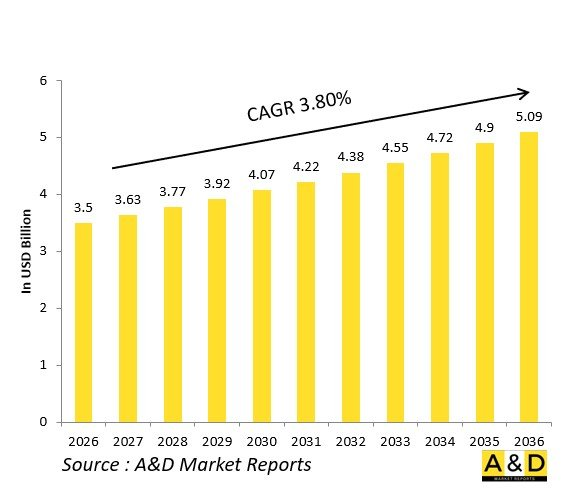
據估計,2026年全球海軍平台結構系統市場規模為35億美元,預計到2036年將達到50.9億美元,2026年至2036年的複合年增長率(CAGR)為3.80%。
引言:全球海軍平台結構系統市場
全球海軍平台結構系統市場是現代海上防禦能力的基礎。 海軍平台結構系統包括船體框架、上層建築、內部艙壁、甲板組件和承重部件,這些部件確保艦艇在海上具備強度、穩定性和生存能力。隨著海軍艦隊不斷發展以應對複雜的安全挑戰,結構完整性和耐久性仍然是艦艇設計和性能的核心。現代軍艦必須承受惡劣的海洋環境、高強度的運行應力以及潛在的戰鬥損傷,同時保持作戰準備。國防機構正在投資先進材料和工程方法,以提高耐腐蝕性、減輕重量並增強船隻的整體韌性。新的造船項目和艦隊現代化計劃正在推動對創新結構解決方案的需求。隨著對多用途能力和長期部署的日益重視,海軍平台結構系統在確保作戰效率和長期可持續性方面繼續發揮至關重要的作用。
科技對海軍平台結構系統的影響
透過採用先進材料、數位化工程工具和創新製造方法,技術進步正在改變海軍平台結構系統。 高強度鋼合金、複合材料和輕質金屬的應用日益廣泛,旨在提高耐久性並優化重量分佈。電腦輔助設計 (CAD) 和數位孿生技術能夠在實際建造之前,對應力載荷、流體動力性能和結構疲勞進行精確建模。自動化焊接和模組化造船技術提高了生產效率和結構一致性。改良的耐腐蝕塗層和處理過程延長了船舶在惡劣海洋環境中的使用壽命。彈道設計方法增強了船舶在水下爆炸和戰鬥衝擊下的生存能力。以隱身性能為導向的結構元件整合,在不犧牲強度的前提下降低了雷達反射截面。這些技術發展使海軍結構系統能夠持續演進,以滿足現代化作戰需求,同時兼顧效率、安全性和長期性能。
海軍平台結構系統的關鍵驅動因素
多種因素正在推動海軍平台結構系統市場的成長。日益增長的海上安全擔憂和戰略競爭正在推動對新造船和艦隊擴建計劃的投資。 老舊海軍艦艇需要進行結構升級和延壽措施以維持作戰能力。日益重視多用途能力要求艦艇具備靈活而堅固的結構框架,以支撐先進的武器、感測器和作戰模組。惡劣的環境暴露和長期部署要求使用耐用且耐腐蝕的材料。國防預算中撥給國內造船項目的資金進一步推動了結構系統的發展。海上戰術的進步,包括陸海空聯合作戰和遠洋作戰,促使人們對高韌性船體設計的需求不斷增長。海軍當局與造船廠之間的合作關係促進了創新和客製化。總而言之,這些因素凸顯了可靠的結構系統在維持全球海軍能力的戰略重要性。
海軍平台結構系統的區域趨勢
海軍平台結構系統市場的區域趨勢反映了各地區海上優先事項和國防戰略的差異。北美地區強調先進的造船技術和下一代水面作戰艦艇計畫。歐洲國家則專注於聯合海軍發展項目和現有艦隊的現代化。 由於海軍能力的提升和區域海上緊張局勢的加劇,亞太地區正經歷著顯著的成長。
本報告對全球海軍平台結構系統市場進行了研究和分析,提供了影響該市場的技術資訊、未來十年的預測以及區域趨勢。
目錄
全球海軍平台結構系統市場報告定義
全球海軍平台結構系統市場區隔
依地區
依平台
依材料
依系統類型
未來十年全球海軍平台結構系統市場分析
海軍平台結構系統市場技術
海軍平台結構系統市場預測
區域海軍平台結構系統市場趨勢及預測
北美
驅動因素、限制因素與挑戰
PEST分析
市場預測及情境分析
主要公司
供應商層級概覽
公司標竿分析
歐洲
中東
亞太地區
南美洲
海軍平台結構系統市場國家分析
美國
國防項目
最新消息
專利
當前技術成熟度市場
市場預測及情境分析
加拿大
義大利
法國
德國
荷蘭
比利時
西班牙
瑞典
希臘
澳洲
南非
印度
中國
俄羅斯
韓國
日本
馬來西亞
新加坡
巴西
海軍平台結構系統市場機會矩陣
海軍平台專家對結構系統市場報告意見
結論
關於航空和國防市場報告
Global Naval Platform Structural Systems Market
The Global Naval Platform Structural Systems Market is estimated at USD 3.5 billion in 2026, projected to grow to USD 5.09 billion by 2036 at a Compound Annual Growth Rate (CAGR) of 3.80% over the forecast period 2026-2036.
Introduction: Global Naval Platform Structural Systems Market
The Global Naval Platform Structural Systems Market forms the foundation of modern maritime defense capabilities. Structural systems in naval platforms include hull frameworks, superstructures, internal bulkheads, deck assemblies, and load-bearing components that ensure strength, stability, and survivability at sea. As naval fleets evolve to address complex security challenges, structural integrity and durability remain central to ship design and performance. Modern warships must withstand harsh marine environments, high operational stress, and potential combat damage while maintaining mission readiness. Defense forces are investing in advanced materials and engineering approaches to enhance corrosion resistance, reduce weight, and improve overall vessel resilience. New shipbuilding programs and fleet modernization initiatives are driving demand for innovative structural solutions. With growing emphasis on multi-mission capabilities and extended deployments, naval platform structural systems continue to play a pivotal role in ensuring operational effectiveness and long-term sustainability.
Technology Impact in Naval Platform Structural Systems
Technological advancements are transforming naval platform structural systems through the adoption of advanced materials, digital engineering tools, and innovative fabrication methods. High-strength steel alloys, composite materials, and lightweight metals are increasingly used to enhance durability while optimizing weight distribution. Computer-aided design and digital twin technologies allow precise modeling of stress loads, hydrodynamic performance, and structural fatigue before physical construction. Automated welding and modular shipbuilding techniques improve production efficiency and structural consistency. Improved corrosion protection coatings and treatment processes extend vessel service life in challenging marine environments. Shock-resistant design approaches enhance survivability against underwater explosions and combat impacts. Integration of stealth-focused structural elements reduces radar signature without compromising strength. These technological developments ensure that naval structural systems evolve to meet modern operational demands while supporting efficiency, safety, and long-term performance.
Key Drivers in Naval Platform Structural Systems
Several key factors are driving growth in the naval platform structural systems market. Expanding maritime security concerns and strategic competition at sea are prompting investments in new shipbuilding and fleet expansion programs. Aging naval vessels require structural upgrades and life-extension initiatives to maintain operational readiness. Increasing emphasis on multi-role capabilities necessitates flexible and robust structural frameworks capable of supporting advanced weapons, sensors, and mission modules. Harsh environmental exposure and extended deployments demand durable and corrosion-resistant materials. Defense budgets allocated to indigenous shipbuilding programs further stimulate structural system development. Advances in maritime warfare doctrines, including amphibious operations and blue-water capabilities, increase the need for resilient hull designs. Collaboration between naval authorities and shipbuilders fosters innovation and customization. Collectively, these drivers underscore the strategic importance of reliable structural systems in sustaining global naval strength.
Regional Trends in Naval Platform Structural Systems
Regional trends in the naval platform structural systems market reflect varying maritime priorities and defense strategies. North America emphasizes advanced shipbuilding technologies and next-generation surface combatant programs. European nations focus on collaborative naval development projects and modernization of existing fleets. The Asia-Pacific region demonstrates strong growth driven by expanding naval capabilities and heightened regional maritime tensions. Middle Eastern countries invest in durable structural solutions for patrol vessels and offshore defense platforms operating in demanding conditions. Emerging maritime nations pursue localized shipbuilding initiatives supported by technology partnerships. Regional industrial capacity, access to advanced materials, and government policies supporting domestic production influence structural system procurement. Overall, regional patterns highlight sustained global investment in strengthening naval platform durability, survivability, and operational versatility.
Key Naval Platform Structural Systems Program
Key naval platform structural systems programs center on new warship construction, fleet modernization, and structural life-extension initiatives. Naval authorities collaborate with shipyards and engineering firms to design hulls and superstructures optimized for performance, survivability, and mission adaptability. Programs emphasize modular construction techniques that allow efficient assembly and future upgrades. Structural reinforcement and corrosion mitigation upgrades are common in refit initiatives for aging vessels. Research and development efforts explore innovative materials and design concepts aimed at improving strength-to-weight ratios and shock resistance. Domestic shipbuilding programs enhance national industrial capabilities and supply chain resilience. Export-oriented naval projects also contribute to global collaboration and technology transfer. Collectively, these programs demonstrate the enduring significance of structural systems in ensuring the operational readiness and strategic effectiveness of modern naval fleets.
Table of Contents
Global Naval Platform Structural Systems Market - Table of Contents
Global Naval Platform Structural Systems Market Report Definition
Global Naval Platform Structural Systems Market Segmentation
By Region
By Platform
By Material
By System Type
Global Naval Platform Structural Systems Market Analysis for next 10 Years
The 10-year Naval Platform Structural Systems Market analysis would give a detailed overview of Naval Platform Structural Systems Market growth, changing dynamics, technology adoption overviews and the overall market attractiveness is covered in this chapter.
Market Technologies of Naval Platform Structural Systems Market
This segment covers the top 10 technologies that is expected to impact this market and the possible implications these technologies would have on the overall market.
Naval Platform Structural Systems Market Forecast
The 10-year Naval Platform Structural Systems Market forecast of this market is covered in detailed across the segments which are mentioned above.
Regional Naval Platform Structural Systems Market Trends & Forecast
The regional counter drone market trends, drivers, restraints and Challenges of this market, the Political, Economic, Social and Technology aspects are covered in this segment. The market forecast and scenario analysis across regions are also covered in detailed in this segment. The last part of the regional analysis includes profiling of the key companies, supplier landscape and company benchmarking. The current market size is estimated based on the normal scenario.
North America
Drivers, Restraints and Challenges
PEST
Market Forecast & Scenario Analysis
Key Companies
Supplier Tier Landscape
Company Benchmarking
Europe
Middle East
APAC
South America
Country Analysis of Naval Platform Structural Systems Market
This chapter deals with the key defense programs in this market, it also covers the latest news and patents which have been filed in this market. Country level 10 year market forecast and scenario analysis are also covered in this chapter.
US
Defense Programs
Latest News
Patents
Current levels of technology maturation in this market
Market Forecast & Scenario Analysis
Canada
Italy
France
Germany
Netherlands
Belgium
Spain
Sweden
Greece
Australia
South Africa
India
China
Russia
South Korea
Japan
Malaysia
Singapore
Brazil
Opportunity Matrix for Naval Platform Structural Systems Market
The opportunity matrix helps the readers understand the high opportunity segments in this market.
Expert Opinions on Naval Platform Structural Systems Market Report
Hear from our experts their opinion of the possible analysis for this market.
Conclusions
About Aviation and Defense Market Reports
List of Tables
- Table 1: 10 Year Market Outlook, 2026-2036
- Table 2: Drivers, Impact Analysis, North America
- Table 3: Restraints, Impact Analysis, North America
- Table 4: Challenges, Impact Analysis, North America
- Table 5: Drivers, Impact Analysis, Europe
- Table 6: Restraints, Impact Analysis, Europe
- Table 7: Challenges, Impact Analysis, Europe
- Table 8: Drivers, Impact Analysis, Middle East
- Table 9: Restraints, Impact Analysis, Middle East
- Table 10: Challenges, Impact Analysis, Middle East
- Table 11: Drivers, Impact Analysis, APAC
- Table 12: Restraints, Impact Analysis, APAC
- Table 13: Challenges, Impact Analysis, APAC
- Table 14: Drivers, Impact Analysis, South America
- Table 15: Restraints, Impact Analysis, South America
- Table 16: Challenges, Impact Analysis, South America
- Table 17: Scenario Analysis, Scenario 1, By System Type, 2026-2036
- Table 18: Scenario Analysis, Scenario 1, By Platform, 2026-2036
- Table 19: Scenario Analysis, Scenario 1, By Region, 2026-2036
- Table 20: Scenario Analysis, Scenario 2, By System Type, 2026-2036
- Table 21: Scenario Analysis, Scenario 2, By Platform, 2026-2036
- Table 22: Scenario Analysis, Scenario 2, By Region, 2026-2036
List of Figures
- Figure 1: Global Naval Platform Structural Systems Market Forecast, 2026-2036
- Figure 2: Global Naval Platform Structural Systems Market Forecast, By System Type, 2026-2036
- Figure 3: Global Naval Platform Structural Systems Market Forecast, By Platform, 2026-2036
- Figure 4: Global Naval Platform Structural Systems Market Forecast, By Region, 2026-2036
- Figure 5: North America, Naval Platform Structural Systems Market, Forecast, 2026-2036
- Figure 6: Europe, Naval Platform Structural Systems Market, Forecast, 2026-2036
- Figure 7: Middle East, Naval Platform Structural Systems Market, Forecast, 2026-2036
- Figure 8: APAC, Naval Platform Structural Systems Market, Forecast, 2026-2036
- Figure 9: South America, Naval Platform Structural Systems Market, Forecast, 2026-2036
- Figure 10: United States, Naval Platform Structural Systems Market, System Type Maturation, 2026-2036
- Figure 11: United States, Naval Platform Structural Systems Market, Forecast, 2026-2036
- Figure 12: Canada, Naval Platform Structural Systems Market, System Type Maturation, 2026-2036
- Figure 13: Canada, Naval Platform Structural Systems Market, Forecast, 2026-2036
- Figure 14: Italy, Naval Platform Structural Systems Market, System Type Maturation, 2026-2036
- Figure 15: Italy, Naval Platform Structural Systems Market, Market Forecast, 2026-2036
- Figure 16: France, Naval Platform Structural Systems Market, System Type Maturation, 2026-2036
- Figure 17: France, Naval Platform Structural Systems Market, Market Forecast, 2026-2036
- Figure 18: Germany, Naval Platform Structural Systems Market, System Type Maturation, 2026-2036
- Figure 19: Germany, Naval Platform Structural Systems Market, Market Forecast, 2026-2036
- Figure 20: Netherlands, Naval Platform Structural Systems Market, System Type Maturation, 2026-2036
- Figure 21: Netherlands, Naval Platform Structural Systems Market, Market Forecast, 2026-2036
- Figure 22: Belgium, Naval Platform Structural Systems Market, System Type Maturation, 2026-2036
- Figure 23: Belgium, Naval Platform Structural Systems Market, Market Forecast, 2026-2036
- Figure 24: Spain, Naval Platform Structural Systems Market, System Type Maturation, 2026-2036
- Figure 25: Spain, Naval Platform Structural Systems Market, Market Forecast, 2026-2036
- Figure 26: Sweden, Naval Platform Structural Systems Market, System Type Maturation, 2026-2036
- Figure 27: Sweden, Naval Platform Structural Systems Market, Forecast, 2026-2036
- Figure 28: Brazil, Naval Platform Structural Systems Market, System Type Maturation, 2026-2036
- Figure 29: Brazil, Naval Platform Structural Systems Market, Market Forecast, 2026-2036
- Figure 30: Australia, Naval Platform Structural Systems Market, System Type Maturation, 2026-2036
- Figure 31: Australia, Naval Platform Structural Systems Market, Market Forecast, 2026-2036
- Figure 32: India, Naval Platform Structural Systems Market, System Type Maturation, 2026-2036
- Figure 33: India, Naval Platform Structural Systems Market, Market Forecast, 2026-2036
- Figure 34: China, Naval Platform Structural Systems Market, System Type Maturation, 2026-2036
- Figure 35: China, Naval Platform Structural Systems Market, Market Forecast, 2026-2036
- Figure 36: Saudi Arabia, Naval Platform Structural Systems Market, System Type Maturation, 2026-2036
- Figure 37: Saudi Arabia, Naval Platform Structural Systems Market, Market Forecast, 2026-2036
- Figure 38: South Korea, Naval Platform Structural Systems Market, System Type Maturation, 2026-2036
- Figure 39: South Korea, Naval Platform Structural Systems Market, Market Forecast, 2026-2036
- Figure 40: Japan, Naval Platform Structural Systems Market, System Type Maturation, 2026-2036
- Figure 41: Japan, Naval Platform Structural Systems Market, Market Forecast, 2026-2036
- Figure 42: Malaysia, Naval Platform Structural Systems Market, System Type Maturation, 2026-2036
- Figure 43: Malaysia, Naval Platform Structural Systems Market, Market Forecast, 2026-2036
- Figure 44: Singapore, Naval Platform Structural Systems Market, System Type Maturation, 2026-2036
- Figure 45: Singapore, Naval Platform Structural Systems Market, Market Forecast, 2026-2036
- Figure 46: United Kingdom, Naval Platform Structural Systems Market, System Type Maturation, 2026-2036
- Figure 47: United Kingdom, Naval Platform Structural Systems Market, Market Forecast, 2026-2036
- Figure 48: Opportunity Analysis, Naval Platform Structural Systems Market, By System Type(Cumulative Market), 2026-2036
- Figure 49: Opportunity Analysis, Naval Platform Structural Systems Market, By System Type(CAGR), 2026-2036
- Figure 50: Opportunity Analysis, Naval Platform Structural Systems Market, By (Cumulative Market), 2026-2036
- Figure 51: Opportunity Analysis, Naval Platform Structural Systems Market, By Platform(CAGR), 2026-2036
- Figure 52: Opportunity Analysis, Naval Platform Structural Systems Market, By Region (Cumulative Market), 2026-2036
- Figure 53: Opportunity Analysis, Naval Platform Structural Systems Market, By Region (CAGR), 2026-2036
- Figure 54: Scenario Analysis, Naval Platform Structural Systems Market, Cumulative Market, 2026-2036
- Figure 55: Scenario Analysis, Naval Platform Structural Systems Market, Global Market, 2026-2036
- Figure 56: Scenario 1, Naval Platform Structural Systems Market, Total Market, 2026-2036
- Figure 57: Scenario 1, Naval Platform Structural Systems Market, By System Type, 2026-2036
- Figure 58: Scenario 1, Naval Platform Structural Systems Market, By Platform, 2026-2036
- Figure 59: Scenario 1, Naval Platform Structural Systems Market, By Region, 2026-2036
- Figure 60: Scenario 2, Naval Platform Structural Systems Market, Total Market, 2026-2036
- Figure 61: Scenario 2, Naval Platform Structural Systems Market, By System Type, 2026-2036
- Figure 62: Scenario 2, Naval Platform Structural Systems Market, By Platform, 2026-2036
- Figure 63: Scenario 2, Naval Platform Structural Systems Market, By Region, 2026-2036
- Figure 64: Company Benchmark, Naval Platform Structural Systems Market, 2026-2036


