


 |
市場調查報告書
商品編碼
1951138
全球防務一體化艦橋系統 (IBS) 市場 (2026-2036)Global Defense Integrated Bridges Systems (IBS) Market 2026-2036 |
||||||

引言
全球防務一體化艦橋系統 (IBS) 市場將艦船上的指揮和控制統一起來,把導航、雷達、通訊和武器系統整合到一個統一的控制台中。 這些玻璃橋配置以觸控螢幕綜合資訊系統取代了獨立的儀錶板,使艦長能夠全面監控方位角、航速、目標接觸情況和威脅。隨著水面作戰艦艇建造量的增加,對能夠減少多威脅場景下工作負荷的人機介面的需求激增。關鍵組件包括電子海圖顯示與資訊系統(ECDIS)、舵位顯示器和警報管理系統,並具有更強的抗衝擊和抗電磁脈衝(EMP)能力。潛艇正在採用穿甲型系統。市場正在推動艦隊效率的提升,並將人工智慧(AI)整合到決策支援系統中。隨著各國海軍競相爭奪戰略要地,整合艦橋系統(IBS)正成為海洋優勢和近岸機動能力的神經中樞。
科技對國防整合艦橋系統(IBS)的影響
技術創新正在改變國防整合艦橋系統,以簡化艦橋操作。具有手勢和語音控制的非接觸式人機介面(HMI)減輕了戴手套操作員的負擔。擴增實境(AR)疊加層將雷達資訊與水面視圖融合在一起。 人工智慧監控系統可偵測不明船隻和漂浮物等異常情況。節點間採用零信任架構保障網路安全。模組化商用現貨 (COTS) 控制台支援即插即用升級。 5G 骨幹網路無縫連接艦橋和作戰資訊中心 (CIC)。預測性維護透過感測器監控控制台運作狀況。雙頻電子海圖顯示與資訊系統 (ECDIS) 可處理機密海圖。量子加密鏈路確保資料流安全。這些突破性技術正在將艦橋重新定義為認知指揮中心,並融入縮短訓練週期、提升態勢感知能力和增強自主性的要素。
國防整合艦橋系統 (IBS) 的關鍵驅動因素
眾多市場驅動因素正在加速國防 IBS 市場的發展。人員精簡要求為複雜操作提供直覺的介面。多域威脅需要融合的感測器符號系統。傳統的類比艦橋正在進行強制性的數位化改造。互通性標準統一了北約式顯示器。抗干擾能力促進了冗餘資料路徑的開發。綠色電氣化要求採用抗電磁幹擾 (EMI) 的電子設備。 無人協作整合了遠端艦船資訊。人因工程優先考慮降低疲勞的人體工學設計。供應鏈的改進緩解了作戰顯示器短缺的問題。預算強調可擴展的軟體層。這些因素正推動IBS成為高強度作戰中工作負荷分配的有效手段。
國防一體化艦橋系統(IBS)的區域趨勢
各區域的海軍正在根據各自的作戰理論定制IBS系統。北美正在為其航空母艦配備與艦載機聯隊週期相容的擴增實境(AR)增強型一體化監視系統。歐洲正在為在波羅的海作戰的護衛艦艦隊標準化控制台。亞太地區正在為部署在海峽的驅逐艦艦隊擴展非接觸式艦橋。印太地區正在優先考慮為盟軍艦隊提供抗網路攻擊的連結。中東正在為海灣巡邏艦改裝沙漠冷卻裝置。
本報告分析了全球國防一體化橋樑系統市場,提供了影響該市場的技術資訊、未來十年的預測以及區域趨勢。
目錄
國防整合橋樑系統 (IBS) 市場報告定義
國防整合橋樑系統 (IBS) 市場區隔
依地區
依平台
依整合等級
依元件
未來十年國防整合橋樑系統 (IBS) 市場分析
國防整合橋樑系統 (IBS) 市場技術
全球國防整合橋樑系統 (IBS) 市場預測
區域國防整合橋樑系統 (IBS) 市場趨勢及預測
北美
驅動因素、限制因素及挑戰
PEST分析
市場預測與情境分析
主要公司
供應商層級概覽
公司標竿分析
歐洲
中東
亞太地區
南美洲
國防整合橋樑系統 (IBS) 市場國家分析
美國
國防項目
最新資訊
專利
當前市場技術成熟度
市場預測與情境分析
加拿大
義大利
法國
德國
荷蘭
比利時
西班牙
瑞典
希臘
澳洲
南非
印度
中國
俄羅斯
韓國
日本
馬來西亞
新加坡
巴西
國防整合橋樑系統 (IBS) 市場機會矩陣
國防整合橋樑系統 (IBS) 市場專家意見
結論
關於航空與國防市場報告
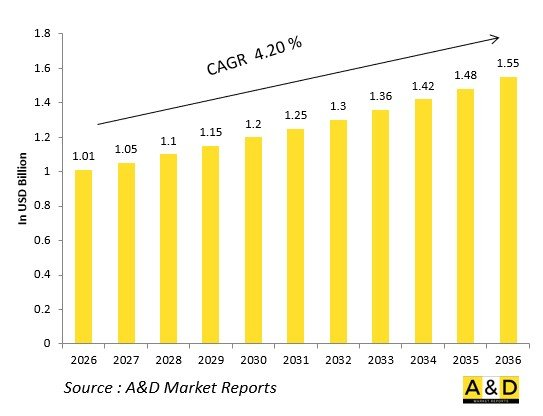
The Global defense integrated bridge systems (IBS) market is estimated at USD 1.01 billion in 2026, projected to grow to USD 1.55 billion by 2036 at a Compound Annual Growth Rate (CAGR) of 4.20% over the forecast period 2026-2036.
Introduction:
The Global defense integrated bridge systems (IBS) market centralizes command and control on warships, fusing navigation, radar, comms, and weapons into unified consoles. These glass-bridge setups replace standalone dials with touchscreen synoptics, enabling captains to monitor azimuth, speed, contacts, and threats holistically. Demand surges with surface combatant builds, prioritizing human-machine interfaces that cut workload amid multi-threat scenarios. Core components include ECDIS, conning displays, and alarm management, hardened for shock and EMP. Submarines adapt variants for sail penetrations. The market drives fleet efficiency, integrating AI for decision aids. As navies contest chokepoints, IBS emerges as the nerve center for blue-water supremacy and littoral agility.
Technology Impact in Defense Integrated Bridge Systems (IBS)
Technological infusions transform defense IBS, streamlining bridge ops. Touchless HMIs with gesture and voice controls reduce gloved interactions. Augmented reality overlays fuse radar paints on sea views. AI watchkeepers flag anomalies like rogue vessels or drift. Cybersecurity meshes zero-trust architectures across nodes. Modular COTS consoles enable plug-and-play upgrades. 5G backbones link bridge to CIC seamlessly. Predictive maintenance monitors console health via sensors. Dual-frequency ECDIS handles classified charts. Quantum-secure links guard data flows. These leaps slash training curves, boost SA, and embed autonomy cues, redefining bridges as cognitive command hubs.
Key Drivers in Defense Integrated Bridge Systems (IBS)
Key drivers accelerate the defense IBS market. Crew reductions demand intuitive interfaces handling complex ops. Multi-domain threats require fused sensor symbiology. Legacy analog bridges face mandated digital refits. Interoperability standards unify NATO-style displays. Jamming resilience spurs redundant data paths. Green electrification needs EMI-proof electronics. Unmanned teaming integrates remote vessel feeds. Human factors prioritize fatigue-mitigating ergonomics. Supply chain hardening counters display shortages. Budgets favor scalable software layers. Collectively, these propel IBS as workload balancers in high-tempo warfare.
Regional Trends in Defense Integrated Bridge Systems (IBS)
Regional navies customize IBS to doctrines. North America equips carriers with AR-enhanced synoptics for air wing cycles. Europe standardizes consoles for frigate squadrons in Baltic ops. Asia-Pacific scales touchless bridges for destroyer flotillas in straits. Indo-Pacific emphasizes cyber-hardened links for alliance fleets. Middle East adapts desert-cooled units for Gulf patrols. Africa deploys ruggedized kits on corvettes. South America fuses with river monitors. Coalitions harmonize protocols, blending U.S. glass cockpits with Asian modularity. Trends spotlight AI copilots and voice AI, mirroring congested littorals and carrier ops.
Key Defense Integrated Bridge Systems (IBS) Programs
Landmark IBS programs showcase integration prowess. Destroyer classes debut holographic conning for 360 vigilance. Submarine bridges test periscope-AR hybrids. Littoral combatants validate unmanned feed overlays. Allied trials sync displays across task groups. Drone motherships embed remote bridge stations. Shock tests confirm console survivability. Amphibs link IBS to well-deck radars. Developmental voice-AI prototypes pioneer hands-free command. These initiatives deliver future-proof, networked bridges, empowering captains with god's-eye views.
Table of Contents
Defense Integrated Bridges Systems (IBS) Market - Table of Contents
Defense Integrated Bridges Systems (IBS) Market Report Definition
Defense Integrated Bridges Systems (IBS) Market Segmentation
By Region
By Platform
By Integration Level
By Components
Defense Integrated Bridges Systems (IBS) Market Analysis for next 10 Years
The 10-year Defense Integrated Bridges Systems (IBS) Market analysis would give a detailed overview of Defense Integrated Bridges Systems (IBS) Market growth, changing dynamics, technology adoption overviews and the overall market attractiveness is covered in this chapter.
Market Technologies of Defense Integrated Bridges Systems (IBS) Market
This segment covers the top 10 technologies that is expected to impact this market and the possible implications these technologies would have on the overall market.
Global Defense Integrated Bridges Systems (IBS) Market Forecast
The 10-year Defense Integrated Bridges Systems (IBS) Market forecast of this market is covered in detailed across the segments which are mentioned above.
Regional Defense Integrated Bridges Systems (IBS) Market Trends & Forecast
The regional counter drone market trends, drivers, restraints and Challenges of this market, the Political, Economic, Social and Technology aspects are covered in this segment. The market forecast and scenario analysis across regions are also covered in detailed in this segment. The last part of the regional analysis includes profiling of the key companies, supplier landscape and company benchmarking. The current market size is estimated based on the normal scenario.
North America
Drivers, Restraints and Challenges
PEST
Market Forecast & Scenario Analysis
Key Companies
Supplier Tier Landscape
Company Benchmarking
Europe
Middle East
APAC
South America
Country Analysis of Defense Integrated Bridges Systems (IBS) Market
This chapter deals with the key defense programs in this market, it also covers the latest news and patents which have been filed in this market. Country level 10 year market forecast and scenario analysis are also covered in this chapter.
US
Defense Programs
Latest News
Patents
Current levels of technology maturation in this market
Market Forecast & Scenario Analysis
Canada
Italy
France
Germany
Netherlands
Belgium
Spain
Sweden
Greece
Australia
South Africa
India
China
Russia
South Korea
Japan
Malaysia
Singapore
Brazil
Opportunity Matrix for Defense Integrated Bridges Systems (IBS) Market
The opportunity matrix helps the readers understand the high opportunity segments in this market.
Expert Opinions on Defense Integrated Bridges Systems (IBS) Market Report
Hear from our experts their opinion of the possible analysis for this market.
Conclusions
About Aviation and Defense Market Reports
List of Tables
- Table 1: 10 Year Market Outlook, 2026-2036
- Table 2: Drivers, Impact Analysis, North America
- Table 3: Restraints, Impact Analysis, North America
- Table 4: Challenges, Impact Analysis, North America
- Table 5: Drivers, Impact Analysis, Europe
- Table 6: Restraints, Impact Analysis, Europe
- Table 7: Challenges, Impact Analysis, Europe
- Table 8: Drivers, Impact Analysis, Middle East
- Table 9: Restraints, Impact Analysis, Middle East
- Table 10: Challenges, Impact Analysis, Middle East
- Table 11: Drivers, Impact Analysis, APAC
- Table 12: Restraints, Impact Analysis, APAC
- Table 13: Challenges, Impact Analysis, APAC
- Table 14: Drivers, Impact Analysis, South America
- Table 15: Restraints, Impact Analysis, South America
- Table 16: Challenges, Impact Analysis, South America
- Table 17: Scenario Analysis, Scenario 1, By Integration Level, 2026-2036
- Table 18: Scenario Analysis, Scenario 1, By Platform, 2026-2036
- Table 19: Scenario Analysis, Scenario 1, By Region, 2026-2036
- Table 20: Scenario Analysis, Scenario 2, By Integration Level, 2026-2036
- Table 21: Scenario Analysis, Scenario 2, By Platform, 2026-2036
- Table 22: Scenario Analysis, Scenario 2, By Region, 2026-2036
List of Figures
- Figure 1: Global Defense Integrated Bridges Systems (IBS) Market Forecast, 2026-2036
- Figure 2: Global Defense Integrated Bridges Systems (IBS) Market Forecast, By Integration Level, 2026-2036
- Figure 3: Global Defense Integrated Bridges Systems (IBS) Market Forecast, By Platform, 2026-2036
- Figure 4: Global Defense Integrated Bridges Systems (IBS) Market Forecast, By Region, 2026-2036
- Figure 5: North America, Defense Integrated Bridges Systems (IBS) Market, Forecast, 2026-2036
- Figure 6: Europe, Defense Integrated Bridges Systems (IBS) Market, Forecast, 2026-2036
- Figure 7: Middle East, Defense Integrated Bridges Systems (IBS) Market, Forecast, 2026-2036
- Figure 8: APAC, Defense Integrated Bridges Systems (IBS) Market, Forecast, 2026-2036
- Figure 9: South America, Defense Integrated Bridges Systems (IBS) Market, Forecast, 2026-2036
- Figure 10: United States, Defense Integrated Bridges Systems (IBS) Market, Technology Maturation, 2026-2036
- Figure 11: United States, Defense Integrated Bridges Systems (IBS) Market, Forecast, 2026-2036
- Figure 12: Canada, Defense Integrated Bridges Systems (IBS) Market, Technology Maturation, 2026-2036
- Figure 13: Canada, Defense Integrated Bridges Systems (IBS) Market, Forecast, 2026-2036
- Figure 14: Italy, Defense Integrated Bridges Systems (IBS) Market, Technology Maturation, 2026-2036
- Figure 15: Italy, Defense Integrated Bridges Systems (IBS) Market, Market Forecast, 2026-2036
- Figure 16: France, Defense Integrated Bridges Systems (IBS) Market, Technology Maturation, 2026-2036
- Figure 17: France, Defense Integrated Bridges Systems (IBS) Market, Market Forecast, 2026-2036
- Figure 18: Germany, Defense Integrated Bridges Systems (IBS) Market, Technology Maturation, 2026-2036
- Figure 19: Germany, Defense Integrated Bridges Systems (IBS) Market, Market Forecast, 2026-2036
- Figure 20: Netherlands, Defense Integrated Bridges Systems (IBS) Market, Technology Maturation, 2026-2036
- Figure 21: Netherlands, Defense Integrated Bridges Systems (IBS) Market, Market Forecast, 2026-2036
- Figure 22: Belgium, Defense Integrated Bridges Systems (IBS) Market, Technology Maturation, 2026-2036
- Figure 23: Belgium, Defense Integrated Bridges Systems (IBS) Market, Market Forecast, 2026-2036
- Figure 24: Spain, Defense Integrated Bridges Systems (IBS) Market, Technology Maturation, 2026-2036
- Figure 25: Spain, Defense Integrated Bridges Systems (IBS) Market, Market Forecast, 2026-2036
- Figure 26: Sweden, Defense Integrated Bridges Systems (IBS) Market, Technology Maturation, 2026-2036
- Figure 27: Sweden, Defense Integrated Bridges Systems (IBS) Market, Forecast, 2026-2036
- Figure 28: Brazil, Defense Integrated Bridges Systems (IBS) Market, Technology Maturation, 2026-2036
- Figure 29: Brazil, Defense Integrated Bridges Systems (IBS) Market, Market Forecast, 2026-2036
- Figure 30: Australia, Defense Integrated Bridges Systems (IBS) Market, Technology Maturation, 2026-2036
- Figure 31: Australia, Defense Integrated Bridges Systems (IBS) Market, Market Forecast, 2026-2036
- Figure 32: India, Defense Integrated Bridges Systems (IBS) Market, Technology Maturation, 2026-2036
- Figure 33: India, Defense Integrated Bridges Systems (IBS) Market, Market Forecast, 2026-2036
- Figure 34: China, Defense Integrated Bridges Systems (IBS) Market, Technology Maturation, 2026-2036
- Figure 35: China, Defense Integrated Bridges Systems (IBS) Market, Market Forecast, 2026-2036
- Figure 36: Saudi Arabia, Defense Integrated Bridges Systems (IBS) Market, Technology Maturation, 2026-2036
- Figure 37: Saudi Arabia, Defense Integrated Bridges Systems (IBS) Market, Market Forecast, 2026-2036
- Figure 38: South Korea, Defense Integrated Bridges Systems (IBS) Market, Technology Maturation, 2026-2036
- Figure 39: South Korea, Defense Integrated Bridges Systems (IBS) Market, Market Forecast, 2026-2036
- Figure 40: Japan, Defense Integrated Bridges Systems (IBS) Market, Technology Maturation, 2026-2036
- Figure 41: Japan, Defense Integrated Bridges Systems (IBS) Market, Market Forecast, 2026-2036
- Figure 42: Malaysia, Defense Integrated Bridges Systems (IBS) Market, Technology Maturation, 2026-2036
- Figure 43: Malaysia, Defense Integrated Bridges Systems (IBS) Market, Market Forecast, 2026-2036
- Figure 44: Singapore, Defense Integrated Bridges Systems (IBS) Market, Technology Maturation, 2026-2036
- Figure 45: Singapore, Defense Integrated Bridges Systems (IBS) Market, Market Forecast, 2026-2036
- Figure 46: United Kingdom, Defense Integrated Bridges Systems (IBS) Market, Technology Maturation, 2026-2036
- Figure 47: United Kingdom, Defense Integrated Bridges Systems (IBS) Market, Market Forecast, 2026-2036
- Figure 48: Opportunity Analysis, Defense Integrated Bridges Systems (IBS) Market, By Integration Level (Cumulative Market), 2026-2036
- Figure 49: Opportunity Analysis, Defense Integrated Bridges Systems (IBS) Market, By Integration Level (CAGR), 2026-2036
- Figure 50: Opportunity Analysis, Defense Integrated Bridges Systems (IBS) Market, By (Cumulative Market), 2026-2036
- Figure 51: Opportunity Analysis, Defense Integrated Bridges Systems (IBS) Market, By Platform(CAGR), 2026-2036
- Figure 52: Opportunity Analysis, Defense Integrated Bridges Systems (IBS) Market, By Region (Cumulative Market), 2026-2036
- Figure 53: Opportunity Analysis, Defense Integrated Bridges Systems (IBS) Market, By Region (CAGR), 2026-2036
- Figure 54: Scenario Analysis, Defense Integrated Bridges Systems (IBS) Market, Cumulative Market, 2026-2036
- Figure 55: Scenario Analysis, Defense Integrated Bridges Systems (IBS) Market, Global Market, 2026-2036
- Figure 56: Scenario 1, Defense Integrated Bridges Systems (IBS) Market, Total Market, 2026-2036
- Figure 57: Scenario 1, Defense Integrated Bridges Systems (IBS) Market, By Integration Level, 2026-2036
- Figure 58: Scenario 1, Defense Integrated Bridges Systems (IBS) Market, By Platform, 2026-2036
- Figure 59: Scenario 1, Defense Integrated Bridges Systems (IBS) Market, By Region, 2026-2036
- Figure 60: Scenario 2, Defense Integrated Bridges Systems (IBS) Market, Total Market, 2026-2036
- Figure 61: Scenario 2, Defense Integrated Bridges Systems (IBS) Market, By Integration Level, 2026-2036
- Figure 62: Scenario 2, Defense Integrated Bridges Systems (IBS) Market, By Platform, 2026-2036
- Figure 63: Scenario 2, Defense Integrated Bridges Systems (IBS) Market, By Region, 2026-2036
- Figure 64: Company Benchmark, Defense Integrated Bridges Systems (IBS) Market, 2026-2036

 綜合防空與飛彈防禦市場報告:趨勢、預測及競爭分析(至2035年)防空作戰市場報告:趨勢、預測與競爭分析(至2035年)飛彈及飛彈防禦系統市場報告:趨勢、預測及競爭分析(至2035年)
 飛彈防禦系統市場:按組件、威脅類型、攔截階段、射程等級、技術和平台分類-2026-2032年全球市場預測
 2026年全球防空戰爭市場報告2026年全球飛彈防禦系統市場報告防空作戰市場:2026-2032年全球市場預測(依產品類型、交戰範圍、導引系統、平台類型、系統組件、應用和最終用戶分類)全球防空反導(AMD)市場(2026-2036)
 飛彈防禦系統市場-全球產業規模、佔有率、趨勢、機會和預測,按射程、威脅類型、領域、地區和競爭格局分類,2020-2030年預測
 全球綜合防空反導市場(依系統、組件、範圍、最終用戶和地區分類)-預測至2030年