


 |
市場調查報告書
商品編碼
1951137
全球防務多功能控制台市場:2026-2036Global Defense Multi-Function Consoles Market 2026-2036 |
||||||

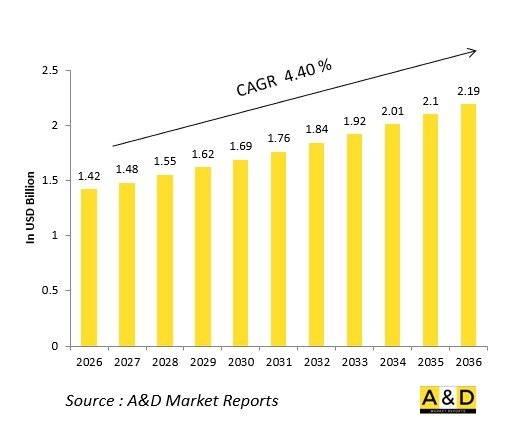
據估計,全球防務多功能控制台市場在2026年的價值為14.2億美元,預計到2036年將達到21.9億美元,2026年至2036年的複合年增長率(CAGR)為4.40%。
簡介:
全球防務多功能控制台市場正在透過將雷達、聲吶、通訊和武器控制整合到多功能工作站中,徹底改變船隻、飛機和車輛上的操作介面。 這些堅固耐用的觸控螢幕和軌跡球使操作員能夠無縫切換任務,從繪製航跡到引導效應器。隨著平台數位化程度的提高,面板空間減少,態勢感知能力增強,市場需求也隨之飆升。海軍艦橋引領潮流,其次是指揮控制中心和駕駛艙。模組化設計支援熱插拔顯卡和I/O模組。網路安全已融入每一層。這個市場正在推動以網路為中心的戰爭,將控制台轉變為聯合行動的倍增器樞紐。
科技對國防多功能控制台的影響
技術創新為國防多功能控制台帶來了前所未有的靈活性。高解析度OLED面板可顯示來自不同感測器的融合符號,GPU加速驅動即時3D戰場渲染。非接觸式手勢和眼動追蹤最大限度地降低了污染風險,人工智慧情境引擎可根據威脅嚴重程度優先顯示內容。光纖背板顯著降低了高資料流期間的延遲。 堅固耐用的商用現貨 (COTS) 外殼通過了 MIL-STD 衝擊測試,量子點技術提高了在眩光下的可視性。自適應觸覺回饋提供觸覺回饋,邊緣運算則減輕了處理器的負擔。這些創新有助於減少人員配置,整合預測分析,並在陸地、海洋和空中領域中打造直覺的 "玻璃座艙" 。
國防多功能控制台的關鍵驅動因素
戰略因素正在推動國防多功能控制台市場的發展。人員短缺促使單人操作多功能控制台成為必要,而感測器融合則需要統一的操作員視圖。傳統的類比面板正在推動系統升級,通用的跨軍種圖形使用者介面 (GUI) 對於互通性至關重要。增強電子戰防禦能力需要防篡改的觸控介面。平台電氣化有助於降低顯示器的運作溫度。無人監視系統整合了遠端視訊串流,而人體工學設計有助於防止操作員過載。供應鏈的韌性解決了顯示器製造的脆弱性問題。預算優先考慮軟體定義的升級。 這些因素共同確立了控制台在點對點衝突中移動性的基礎地位。
國防多功能控制台的區域趨勢
區域因素正在影響多功能控制台的採用。北美正在為宙斯盾系統升級引入人工智慧優先面板,而歐洲正在將護衛艦工作站標準化為 OCCAR 標準。亞太地區正在為航空母艦驅逐艦艦隊擴展控制台,而印太地區正在將 5G 技術整合到分散式作戰中。中東正在改進易受灰塵影響的駕駛艙,而非洲正在改造指揮控制車以用於維和行動。南美洲正在與巡邏機合作,聯軍正在將 MIL-SPEC 觸控協議標準化。鑑於高威脅近岸地區和聯合行動,趨勢強調語音整合和擴增實境疊加。
本報告分析了全球國防多功能控制台市場,並總結了關鍵趨勢、市場影響因素、關鍵技術及其影響、主要地區和國家的趨勢以及市場機會分析。
目錄
國防多功能控制台市場:目錄
國防多功能控制台市場:報告定義
國防多功能控制台市場:細分
依地區
依平台
依顯示類型
依功能整合
未來十年國防多功能控制台市場分析
國防多功能控制台市場成長、趨勢變化、技術應用概況及市場吸引力詳情
國防多功能控制台市場:技術
預計將影響市場的十大技術及其對整體市場的潛在影響
全球國防多功能控制台市場: 預測
以上各細分市場均詳細涵蓋了未來十年的市場預測。
國防多功能控制台市場趨勢及預測:依地區劃分
本報告涵蓋市場趨勢、驅動因素、限制因素、挑戰以及政治、經濟、社會和技術因素。報告還提供了詳細的區域市場預測和情境分析。區域分析最後對主要公司、供應商格局和公司基準進行了概述。目前市場規模是基於 "一切照舊" 情境估算的。
北美
驅動因素、限制因素與挑戰
PEST 分析
市場預測與情境分析
主要公司
供應商層級
公司標竿分析
歐洲
中東
亞太地區
南美洲
國防多功能控制台市場:國家分析
美國
國防項目
最新資訊
專利
當前市場技術成熟度
市場預測與情境分析
加拿大
義大利
法國
德國
荷蘭
比利時
西班牙
瑞典
希臘
澳洲
南非
印度
中國
俄羅斯
韓國
日本
馬來西亞
新加坡
巴西
國防多功能控制台市場:機會矩陣
專家對國防多功能控制台市場報告的意見
概述討論
關於航空航太與國防市場報告
The Global defense multi-function consoles market is estimated at USD 1.42 billion in 2026, projected to grow to USD 2.19 billion by 2036 at a Compound Annual Growth Rate (CAGR) of 4.40% over the forecast period 2026-2036.
Introduction:
The Global defense multi-function consoles market revolutionizes operator interfaces across ships, aircraft, and vehicles by consolidating radar, sonar, comms, and weapons controls into versatile workstations. These ruggedized touchscreens and trackballs enable single operators to switch tasks seamlessly, from plotting tracks to cueing effectors. Demand escalates with platform digitization, reducing panel real estate while boosting situational awareness. Naval bridges lead adoption, followed by C2 centers and cockpits. Modular designs support hot-swappable graphics cards and I/O modules. Cybersecurity weaves through every layer. The market fuels network-centric warfare, turning consoles into force-multiplying hubs for joint ops.
Technology Impact in Defense Multi-Function Consoles
Technological surges empower defense multi-function consoles with unprecedented flexibility. High-res OLED panels render fused symbiology from disparate sensors. GPU acceleration drives real-time 3D battlespace renders. Touchless gestures and eye-tracking minimize contamination risks. AI context engines prioritize displays by threat salience. Fiber-optic backplanes slash latency in high-data flows. Rugged COTS enclosures pass MIL-STD shocks. Quantum dots enhance visibility in glare. Adaptive haptics provide tactile feedback. Edge computing offloads processors for swarm data. These innovations cut crew needs, embed predictive analytics, and forge intuitive "glass cockpits" for land, sea, air domains.
Key Drivers in Defense Multi-Function Consoles
Strategic drivers boost the defense multi-function consoles market. Crew shortages necessitate one-person multi-role stations. Sensor fusion demands unified operator views. Legacy analog panels trigger wholesale refits. Interoperability mandates common GUI across services. EW hardening requires tamper-proof touch interfaces. Platform electrification spurs low-heat displays. Unmanned oversight integrates remote feeds. Ergonomics combat operator overload. Supply resilience targets display fab vulnerabilities. Budgets prioritize software-defined upgrades. Together, these cement consoles as agility enablers in peer conflicts.
Regional Trends in Defense Multi-Function Consoles
Regional forces shape multi-function console deployments. North America outfits Aegis upgrades with AI-prioritized panes. Europe unifies frigate stations under OCCAR standards. Asia-Pacific scales consoles for carrier killer fleets. Indo-Pacific blends with 5G for distributed ops. Middle East hardens for sand-blasted cockpits. Africa adapts for peacekeeping C2 vans. South America fuses with patrol aircraft. Coalitions standardize MIL-SPEC touch protocols. Trends emphasize voice integration and AR overlays, echoing high-threat littorals and joint maneuvers.
Key Defense Multi-Function Consoles Program
Pivotal programs demonstrate multi-function consoles prowess. Destroyer CMS upgrades embed trackball-synced effectors. Fighter jets test helmet-cued virtual panels. Ground stations link drone swarms via tiled walls. Allied exercises validate cross-platform GUIs. Submarines deploy shock-mounted wet consoles. Live-fire trials stress haptic cues. Armored vehicles integrate with 360 cameras. Developmental neural interfaces pioneer thought-control. These efforts yield scalable, cyber-secure nodes, amplifying operator bandwidth across battlespaces.
Table of Contents
Defense Multi-Function Consoles Market - Table of Contents
Defense Multi-Function Consoles Market Report Definition
Defense Multi-Function Consoles Market Segmentation
By Region
By Platform
By Display Type
By Function Integration
Defense Multi-Function Consoles Market Analysis for next 10 Years
The 10-year Defense Multi-Function Consoles Market analysis would give a detailed overview of Defense Multi-Function Consoles Market growth, changing dynamics, technology adoption overviews and the overall market attractiveness is covered in this chapter.
Market Technologies of Defense Multi-Function Consoles Market
This segment covers the top 10 technologies that is expected to impact this market and the possible implications these technologies would have on the overall market.
Global Defense Multi-Function Consoles Market Forecast
The 10-year Defense Multi-Function Consoles Market forecast of this market is covered in detailed across the segments which are mentioned above.
Regional Defense Multi-Function Consoles Market Trends & Forecast
The regional counter drone market trends, drivers, restraints and Challenges of this market, the Political, Economic, Social and Technology aspects are covered in this segment. The market forecast and scenario analysis across regions are also covered in detailed in this segment. The last part of the regional analysis includes profiling of the key companies, supplier landscape and company benchmarking. The current market size is estimated based on the normal scenario.
North America
Drivers, Restraints and Challenges
PEST
Market Forecast & Scenario Analysis
Key Companies
Supplier Tier Landscape
Company Benchmarking
Europe
Middle East
APAC
South America
Country Analysis of Defense Multi-Function Consoles Market
This chapter deals with the key defense programs in this market, it also covers the latest news and patents which have been filed in this market. Country level 10 year market forecast and scenario analysis are also covered in this chapter.
US
Defense Programs
Latest News
Patents
Current levels of technology maturation in this market
Market Forecast & Scenario Analysis
Canada
Italy
France
Germany
Netherlands
Belgium
Spain
Sweden
Greece
Australia
South Africa
India
China
Russia
South Korea
Japan
Malaysia
Singapore
Brazil
Opportunity Matrix for Defense Multi-Function Consoles Market
The opportunity matrix helps the readers understand the high opportunity segments in this market.
Expert Opinions on Defense Multi-Function Consoles Market Report
Hear from our experts their opinion of the possible analysis for this market.
Conclusions
About Aviation and Defense Market Reports
List of Tables
- Table 1: 10 Year Market Outlook, 2026-2036
- Table 2: Drivers, Impact Analysis, North America
- Table 3: Restraints, Impact Analysis, North America
- Table 4: Challenges, Impact Analysis, North America
- Table 5: Drivers, Impact Analysis, Europe
- Table 6: Restraints, Impact Analysis, Europe
- Table 7: Challenges, Impact Analysis, Europe
- Table 8: Drivers, Impact Analysis, Middle East
- Table 9: Restraints, Impact Analysis, Middle East
- Table 10: Challenges, Impact Analysis, Middle East
- Table 11: Drivers, Impact Analysis, APAC
- Table 12: Restraints, Impact Analysis, APAC
- Table 13: Challenges, Impact Analysis, APAC
- Table 14: Drivers, Impact Analysis, South America
- Table 15: Restraints, Impact Analysis, South America
- Table 16: Challenges, Impact Analysis, South America
- Table 17: Scenario Analysis, Scenario 1, By Display Type, 2026-2036
- Table 18: Scenario Analysis, Scenario 1, By Platform, 2026-2036
- Table 19: Scenario Analysis, Scenario 1, By Region, 2026-2036
- Table 20: Scenario Analysis, Scenario 2, By Display Type, 2026-2036
- Table 21: Scenario Analysis, Scenario 2, By Platform, 2026-2036
- Table 22: Scenario Analysis, Scenario 2, By Region, 2026-2036
List of Figures
- Figure 1: Global Defense Multi-Function Consoles Market Forecast, 2026-2036
- Figure 2: Global Defense Multi-Function Consoles Market Forecast, By Display Type, 2026-2036
- Figure 3: Global Defense Multi-Function Consoles Market Forecast, By Platform, 2026-2036
- Figure 4: Global Defense Multi-Function Consoles Market Forecast, By Region, 2026-2036
- Figure 5: North America, Defense Multi-Function Consoles Market, Forecast, 2026-2036
- Figure 6: Europe, Defense Multi-Function Consoles Market, Forecast, 2026-2036
- Figure 7: Middle East, Defense Multi-Function Consoles Market, Forecast, 2026-2036
- Figure 8: APAC, Defense Multi-Function Consoles Market, Forecast, 2026-2036
- Figure 9: South America, Defense Multi-Function Consoles Market, Forecast, 2026-2036
- Figure 10: United States, Defense Multi-Function Consoles Market, Technology Maturation, 2026-2036
- Figure 11: United States, Defense Multi-Function Consoles Market, Forecast, 2026-2036
- Figure 12: Canada, Defense Multi-Function Consoles Market, Technology Maturation, 2026-2036
- Figure 13: Canada, Defense Multi-Function Consoles Market, Forecast, 2026-2036
- Figure 14: Italy, Defense Multi-Function Consoles Market, Technology Maturation, 2026-2036
- Figure 15: Italy, Defense Multi-Function Consoles Market, Market Forecast, 2026-2036
- Figure 16: France, Defense Multi-Function Consoles Market, Technology Maturation, 2026-2036
- Figure 17: France, Defense Multi-Function Consoles Market, Market Forecast, 2026-2036
- Figure 18: Germany, Defense Multi-Function Consoles Market, Technology Maturation, 2026-2036
- Figure 19: Germany, Defense Multi-Function Consoles Market, Market Forecast, 2026-2036
- Figure 20: Netherlands, Defense Multi-Function Consoles Market, Technology Maturation, 2026-2036
- Figure 21: Netherlands, Defense Multi-Function Consoles Market, Market Forecast, 2026-2036
- Figure 22: Belgium, Defense Multi-Function Consoles Market, Technology Maturation, 2026-2036
- Figure 23: Belgium, Defense Multi-Function Consoles Market, Market Forecast, 2026-2036
- Figure 24: Spain, Defense Multi-Function Consoles Market, Technology Maturation, 2026-2036
- Figure 25: Spain, Defense Multi-Function Consoles Market, Market Forecast, 2026-2036
- Figure 26: Sweden, Defense Multi-Function Consoles Market, Technology Maturation, 2026-2036
- Figure 27: Sweden, Defense Multi-Function Consoles Market, Forecast, 2026-2036
- Figure 28: Brazil, Defense Multi-Function Consoles Market, Technology Maturation, 2026-2036
- Figure 29: Brazil, Defense Multi-Function Consoles Market, Market Forecast, 2026-2036
- Figure 30: Australia, Defense Multi-Function Consoles Market, Technology Maturation, 2026-2036
- Figure 31: Australia, Defense Multi-Function Consoles Market, Market Forecast, 2026-2036
- Figure 32: India, Defense Multi-Function Consoles Market, Technology Maturation, 2026-2036
- Figure 33: India, Defense Multi-Function Consoles Market, Market Forecast, 2026-2036
- Figure 34: China, Defense Multi-Function Consoles Market, Technology Maturation, 2026-2036
- Figure 35: China, Defense Multi-Function Consoles Market, Market Forecast, 2026-2036
- Figure 36: Saudi Arabia, Defense Multi-Function Consoles Market, Technology Maturation, 2026-2036
- Figure 37: Saudi Arabia, Defense Multi-Function Consoles Market, Market Forecast, 2026-2036
- Figure 38: South Korea, Defense Multi-Function Consoles Market, Technology Maturation, 2026-2036
- Figure 39: South Korea, Defense Multi-Function Consoles Market, Market Forecast, 2026-2036
- Figure 40: Japan, Defense Multi-Function Consoles Market, Technology Maturation, 2026-2036
- Figure 41: Japan, Defense Multi-Function Consoles Market, Market Forecast, 2026-2036
- Figure 42: Malaysia, Defense Multi-Function Consoles Market, Technology Maturation, 2026-2036
- Figure 43: Malaysia, Defense Multi-Function Consoles Market, Market Forecast, 2026-2036
- Figure 44: Singapore, Defense Multi-Function Consoles Market, Technology Maturation, 2026-2036
- Figure 45: Singapore, Defense Multi-Function Consoles Market, Market Forecast, 2026-2036
- Figure 46: United Kingdom, Defense Multi-Function Consoles Market, Technology Maturation, 2026-2036
- Figure 47: United Kingdom, Defense Multi-Function Consoles Market, Market Forecast, 2026-2036
- Figure 48: Opportunity Analysis, Defense Multi-Function Consoles Market, By Display Type (Cumulative Market), 2026-2036
- Figure 49: Opportunity Analysis, Defense Multi-Function Consoles Market, By Display Type (CAGR), 2026-2036
- Figure 50: Opportunity Analysis, Defense Multi-Function Consoles Market, By (Cumulative Market), 2026-2036
- Figure 51: Opportunity Analysis, Defense Multi-Function Consoles Market, By Platform(CAGR), 2026-2036
- Figure 52: Opportunity Analysis, Defense Multi-Function Consoles Market, By Region (Cumulative Market), 2026-2036
- Figure 53: Opportunity Analysis, Defense Multi-Function Consoles Market, By Region (CAGR), 2026-2036
- Figure 54: Scenario Analysis, Defense Multi-Function Consoles Market, Cumulative Market, 2026-2036
- Figure 55: Scenario Analysis, Defense Multi-Function Consoles Market, Global Market, 2026-2036
- Figure 56: Scenario 1, Defense Multi-Function Consoles Market, Total Market, 2026-2036
- Figure 57: Scenario 1, Defense Multi-Function Consoles Market, By Display Type, 2026-2036
- Figure 58: Scenario 1, Defense Multi-Function Consoles Market, By Platform, 2026-2036
- Figure 59: Scenario 1, Defense Multi-Function Consoles Market, By Region, 2026-2036
- Figure 60: Scenario 2, Defense Multi-Function Consoles Market, Total Market, 2026-2036
- Figure 61: Scenario 2, Defense Multi-Function Consoles Market, By Display Type, 2026-2036
- Figure 62: Scenario 2, Defense Multi-Function Consoles Market, By Platform, 2026-2036
- Figure 63: Scenario 2, Defense Multi-Function Consoles Market, By Region, 2026-2036
- Figure 64: Company Benchmark, Defense Multi-Function Consoles Market, 2026-2036


