


 |
市場調查報告書
商品編碼
1930542
全球機載情報、監視與偵察 (ISR) 市場:2026-2036 年Global Airborne ISR Market 2026-2036 |
||||||

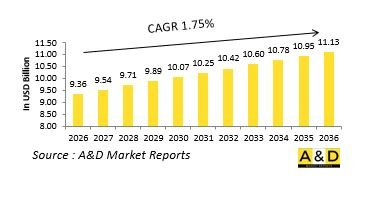
據估計,2026 年全球機載 ISR 市場規模為 93.6 億美元,預計到 2036 年將達到 111.3 億美元,2026 年至 2036 年的複合年增長率 (CAGR) 為 1.75%。
引言
機載情報、監視與偵察 (ISR) 能力透過在廣闊的作戰區域內提供持續的觀察和資訊優勢,構成了現代態勢感知的基礎。這些能力使軍事力量能夠監控敵方活動、評估地形、追蹤動向,並在戰術、作戰和戰略層面支援決策。機載情報、監視與偵察(ISR)平台涵蓋多種平台,從有人駕駛飛機和直升機到遠程無人系統,每種平台在覆蓋範圍和響應速度方面都具有獨特的優勢。機載ISR的價值在於其能夠在動態環境中保持靈活性的同時,提供及時、可操作的資訊。隨著衝突在分散且相互競爭的領域展開,機載ISR為預警、威脅情報和作戰規劃提供支援。它在邊境監視、海上巡邏、災害應變和人道援助等非戰鬥行動中也發揮關鍵作用。隨著對即時資訊的依賴性日益增強,機載ISR已從一種支援功能演變為關鍵的作戰決定因素。與指揮控制系統和進攻性資產的整合凸顯了其在實現資訊優勢和作戰協同方面的重要性。
科技對機載情報、監視與偵察 (ISR) 的影響
技術創新正在顯著擴展機載 ISR 系統的範圍和效能。感測器技術的進步使得更高解析度的影像擷取、多光譜分析以及在惡劣天氣和低能見度條件下的偵測能力得到提升。訊號處理技術的進步使得大量資料的快速分析成為可能,從而縮短了從資料收集到分發的時間。人工智慧增強了自動目標識別和異常檢測能力,加快了決策週期。安全的資料鏈路確保了資訊與總部和部署部隊之間的無縫傳輸。平台續航力的提升延長了任務持續時間和覆蓋範圍。小型化使得先進的傳感器能夠安裝在更小、更靈活的平台上。在單一平台上整合多種類型的感測器支援全面的情報收集。這些技術進步正在將機載 ISR 轉變為一種持續的、適應性強的資訊資源,能夠支援複雜的多域作戰。
空中情報、監視與偵察 (ISR) 的關鍵驅動因素
現代安全環境日益複雜,推動了空中 ISR 能力的擴展。軍事行動越來越依賴準確及時的資訊來管理分散的部隊並應對快速變化的威脅。邊境安全和海上態勢感知需求持續推動持續監視的需求。非對稱威脅的出現需要持續監視和快速資訊傳播。國防現代化計畫優先考慮資訊優勢和網路化作戰。盟軍之間的互通性推動了標準化和資訊共享框架的建立。無人系統的擴散進一步擴展了 ISR 的範圍和靈活性。訓練和戰備的考量也影響著對 ISR 平台和分析技術的投資。這些因素共同確保了空中情報能力作為核心國防職能而持續重視。空中 ISR 的區域趨勢 區域空中 ISR 部署反映了不同的作戰需求和地理挑戰。北美國防部強調遠程監視以及跨聯合軍事和聯盟網絡的協作。歐洲國家則強調跨境資訊共享以及對空中和海上通道的持續監視。亞太地區將情報、監視與偵察 (ISR) 視為管理廣闊海域和複雜領土環境的優先事項。中東軍隊依靠機載 ISR 在動盪的安全環境中持續掌握態勢感知。非洲國防組織正日益利用 ISR 平台支援邊境監視和維和行動。在整個地區,投資重點在於加強數據融合、提高平台持久性和發展國內能力。這些趨勢表明,機載 ISR 戰略正與區域安全優先事項和作戰實際情況相契合。
主要機載 ISR 項目:
諾斯羅普·格魯曼公司於 2025 年初獲得一份價值 14 億美元的合同,用於升級全球防空和導彈防禦能力,包括機載情報、監視和偵察平台。該公司繼續支援美國陸軍的固定翼 ISR 飛機現代化,該項目價值高達 7.5 億美元,重點在於感測器升級、數據融合能力以及擴展射程的改裝,以支援地面指揮官和聯合特遣部隊執行持續的廣域監視任務。
目錄
機載ISR市場 - 目錄
機載ISR市場報告定義
機載ISR市場區隔
按應用
按地區
依飛機類型
未來十年機載ISR市場分析
本章詳細概述了機載ISR市場的成長、趨勢變化、技術應用概況和市場吸引力,並對未來十年的機載ISR市場進行了分析。
機載ISR市場技術
本節討論了預計將影響該市場的十大技術,以及這些技術可能對整體市場產生的潛在影響。
全球機載ISR市場預測
以上各部分詳細涵蓋了未來十年機載ISR市場的預測。
依地區劃分的機載ISR市場趨勢及預測
本部分涵蓋了各地區機載ISR市場的趨勢、驅動因素、限制因素、挑戰以及政治、經濟、社會和技術因素。此外,還提供了詳細的區域市場預測和情境分析。最終的區域分析包括主要公司概況、供應商狀況和公司基準分析。目前市場規模是基於 "一切照舊" 情境估算的。
北美
驅動因素、限制因素與挑戰
PEST分析
市場預測與情境分析
主要公司
供應商層級結構
公司標竿分析
歐洲
中東
亞太地區
南美洲
機載ISR市場國家分析
本章涵蓋該市場的主要國防項目以及最新的新聞和專利申請。此外,本章也提供未來十年各國的市場預測和情境分析。
美國
最新消息
專利
當前市場技術成熟度
市場預測與情境分析
加拿大
義大利
法國
德國
荷蘭
比利時
西班牙
瑞典
希臘
澳洲
南非
印度
中國
俄羅斯
南非韓國
日本
馬來西亞
新加坡
巴西
機載ISR市場機會矩陣
機會矩陣幫助讀者了解該市場中高機會細分領域。
關於機載ISR市場報告的專家意見
我們總結了專家對該市場分析潛力的意見。
結論
關於航空與國防市場報告
The Global Airborne ISR market is estimated at USD 9.36 billion in 2026, projected to grow to USD 11.13 billion by 2036 at a Compound Annual Growth Rate (CAGR) of 1.75% over the forecast period 2026-2036.

Introduction
Airborne intelligence, surveillance, and reconnaissance capabilities form the backbone of modern situational awareness by providing persistent observation and information dominance across vast operational spaces. These capabilities enable military forces to monitor adversary activity, assess terrain, track movements, and support decision-making at tactical, operational, and strategic levels. Airborne ISR platforms operate across a wide spectrum, ranging from crewed aircraft and helicopters to long-endurance unmanned systems, each contributing unique advantages in coverage and responsiveness. The value of airborne ISR lies in its ability to deliver timely and actionable intelligence while maintaining flexibility in dynamic environments. As conflicts increasingly unfold across dispersed and contested domains, airborne ISR supports early warning, threat identification, and mission planning. It also plays a critical role in non-combat operations such as border monitoring, maritime patrol, disaster response, and humanitarian missions. The growing reliance on real-time intelligence has elevated airborne ISR from a supporting function to a decisive operational enabler. Its integration with command systems and strike assets underscores its importance in achieving information superiority and operational coherence.
Technology Impact in Airborne ISR
Technological advancements are significantly expanding the scope and effectiveness of airborne ISR systems. Sensor innovation enables higher-resolution imaging, multi-spectral analysis, and improved detection in adverse weather or low-visibility conditions. Advances in signal processing allow rapid interpretation of large data volumes, reducing the time between collection and dissemination. Artificial intelligence enhances automated target recognition and anomaly detection, supporting faster decision cycles. Secure data links enable seamless transmission of intelligence to command centers and deployed units. Platform endurance improvements extend mission duration and coverage. Miniaturization allows advanced sensors to be deployed on smaller and more agile platforms. Integration of multiple sensor types on a single platform supports comprehensive intelligence collection. These technological developments transform airborne ISR into a continuous and adaptive intelligence resource capable of supporting complex multi-domain operations.
Key Drivers in Airborne ISR
The expansion of airborne ISR capabilities is driven by the growing complexity of modern security environments. Military operations increasingly depend on accurate and timely intelligence to manage dispersed forces and rapidly evolving threats. Border security and maritime domain awareness requirements sustain continuous surveillance demand. The rise of asymmetric threats necessitates persistent monitoring and rapid intelligence dissemination. Defense modernization programs prioritize information dominance and networked operations. Interoperability among allied forces drives standardization and shared intelligence frameworks. The proliferation of unmanned systems further expands ISR reach and flexibility. Training and readiness considerations also influence investment in ISR platforms and analytics. These drivers collectively ensure sustained emphasis on airborne intelligence capabilities as a core defense function.
Regional Trends in Airborne ISR
Regional adoption of airborne ISR reflects diverse operational needs and geographic challenges. North American defense forces focus on long-range surveillance and integration across joint and allied networks. European nations emphasize cross-border intelligence sharing and persistent monitoring of air and maritime approaches. Asia-Pacific regions prioritize ISR to manage vast maritime spaces and complex territorial environments. Middle Eastern forces rely on airborne ISR for continuous situational awareness in volatile security contexts. African defense organizations increasingly employ ISR platforms to support border monitoring and peacekeeping operations. Across regions, investments are directed toward enhancing data fusion, platform endurance, and domestic capability development. These trends illustrate how airborne ISR strategies align with regional security priorities and operational realities.
Key Airborne ISR Program:
Northrop Grumman secured $1.4 billion in contracts during early 2025 to modernize global air and missile defense capabilities, including airborne intelligence, surveillance, and reconnaissance platforms. The company continues supporting U.S. Army fixed-wing ISR aircraft modernization under a potential $750 million program focused on sensor upgrades, data fusion capabilities, and extended endurance modifications for persistent wide-area surveillance missions supporting ground commanders and joint task forces.
Table of Contents
Airborne ISR Market - Table of Contents
Airborne ISR Market Report Definition
Airborne ISR Market Segmentation
By Application
By Region
By Aircraft Type
Airborne ISR Market Analysis for next 10 Years
The 10-year Airborne ISR Market analysis would give a detailed overview of Airborne ISR Market growth, changing dynamics, technology adoption overviews and the overall market attractiveness is covered in this chapter.
Market Technologies of Airborne ISR Market
This segment covers the top 10 technologies that is expected to impact this market and the possible implications these technologies would have on the overall market.
Global Airborne ISR Market Forecast
The 10-year Airborne ISR Market forecast of this market is covered in detailed across the segments which are mentioned above.
Regional Airborne ISR Market Trends & Forecast
The regional Airborne ISR Market trends, drivers, restraints and Challenges of this market, the Political, Economic, Social and Technology aspects are covered in this segment. The market forecast and scenario analysis across regions are also covered in detailed in this segment. The last part of the regional analysis includes profiling of the key companies, supplier landscape and company benchmarking. The current market size is estimated based on the normal scenario.
North America
Drivers, Restraints and Challenges
PEST
Market Forecast & Scenario Analysis
Key Companies
Supplier Tier Landscape
Company Benchmarking
Europe
Middle East
APAC
South America
Country Analysis of Airborne ISR Market
This chapter deals with the key defense programs in this market, it also covers the latest news and patents which have been filed in this market. Country level 10 year market forecast and scenario analysis are also covered in this chapter.
US
Latest News
Patents
Current levels of technology maturation in this market
Market Forecast & Scenario Analysis
Canada
Italy
France
Germany
Netherlands
Belgium
Spain
Sweden
Greece
Australia
South Africa
India
China
Russia
South Korea
Japan
Malaysia
Singapore
Brazil
Opportunity Matrix for Airborne ISR Market
The opportunity matrix helps the readers understand the high opportunity segments in this market.
Expert Opinions on Airborne ISR Market Report
Hear from our experts their opinion of the possible analysis for this market.
Conclusions
About Aviation and Defense Market Reports
List of Tables
- Table 1: 10 Year Market Outlook, 2026-2036
- Table 2: Drivers, Impact Analysis, North America
- Table 3: Restraints, Impact Analysis, North America
- Table 4: Challenges, Impact Analysis, North America
- Table 5: Drivers, Impact Analysis, Europe
- Table 6: Restraints, Impact Analysis, Europe
- Table 7: Challenges, Impact Analysis, Europe
- Table 8: Drivers, Impact Analysis, Middle East
- Table 9: Restraints, Impact Analysis, Middle East
- Table 10: Challenges, Impact Analysis, Middle East
- Table 11: Drivers, Impact Analysis, APAC
- Table 12: Restraints, Impact Analysis, APAC
- Table 13: Challenges, Impact Analysis, APAC
- Table 14: Drivers, Impact Analysis, South America
- Table 15: Restraints, Impact Analysis, South America
- Table 16: Challenges, Impact Analysis, South America
- Table 17: Scenario Analysis, Scenario 1, By Region, 2026-2036
- Table 18: Scenario Analysis, Scenario 1, By Application, 2026-2036
- Table 19: Scenario Analysis, Scenario 1, By Aircraft Type, 2026-2036
- Table 20: Scenario Analysis, Scenario 2, By Region, 2026-2036
- Table 21: Scenario Analysis, Scenario 2, By Application, 2026-2036
- Table 22: Scenario Analysis, Scenario 2, By Aircraft Type, 2026-2036
List of Figures
- Figure 1: Global Airborne ISR Market Forecast, 2026-2036
- Figure 2: Global Airborne ISR Market Forecast, By Application, 2026-2036
- Figure 3: Global Airborne ISR Market Forecast, By Region, 2026-2036
- Figure 4: Global Airborne ISR Market Forecast, By Aircraft Type, 2026-2036
- Figure 5: North America, Airborne ISR Market, Market Forecast, 2026-2036
- Figure 6: Europe, Airborne ISR Market, Market Forecast, 2026-2036
- Figure 7: Middle East, Airborne ISR Market, Market Forecast, 2026-2036
- Figure 8: APAC, Airborne ISR Market, Market Forecast, 2026-2036
- Figure 9: South America, Airborne ISR Market, Market Forecast, 2026-2036
- Figure 10: United States, Airborne ISR Market, Technology Maturation, 2026-2036
- Figure 11: United States, Airborne ISR Market, Market Forecast, 2026-2036
- Figure 12: Canada, Airborne ISR Market, Technology Maturation, 2026-2036
- Figure 13: Canada, Airborne ISR Market, Market Forecast, 2026-2036
- Figure 14: Italy, Airborne ISR Market, Technology Maturation, 2026-2036
- Figure 15: Italy, Airborne ISR Market, Market Forecast, 2026-2036
- Figure 16: France, Airborne ISR Market, Technology Maturation, 2026-2036
- Figure 17: France, Airborne ISR Market, Market Forecast, 2026-2036
- Figure 18: Germany, Airborne ISR Market, Technology Maturation, 2026-2036
- Figure 19: Germany, Airborne ISR Market, Market Forecast, 2026-2036
- Figure 20: Netherlands, Airborne ISR Market, Technology Maturation, 2026-2036
- Figure 21: Netherlands, Airborne ISR Market, Market Forecast, 2026-2036
- Figure 22: Belgium, Airborne ISR Market, Technology Maturation, 2026-2036
- Figure 23: Belgium, Airborne ISR Market, Market Forecast, 2026-2036
- Figure 24: Spain, Airborne ISR Market, Technology Maturation, 2026-2036
- Figure 25: Spain, Airborne ISR Market, Market Forecast, 2026-2036
- Figure 26: Sweden, Airborne ISR Market, Technology Maturation, 2026-2036
- Figure 27: Sweden, Airborne ISR Market, Market Forecast, 2026-2036
- Figure 28: Brazil, Airborne ISR Market, Technology Maturation, 2026-2036
- Figure 29: Brazil, Airborne ISR Market, Market Forecast, 2026-2036
- Figure 30: Australia, Airborne ISR Market, Technology Maturation, 2026-2036
- Figure 31: Australia, Airborne ISR Market, Market Forecast, 2026-2036
- Figure 32: India, Airborne ISR Market, Technology Maturation, 2026-2036
- Figure 33: India, Airborne ISR Market, Market Forecast, 2026-2036
- Figure 34: China, Airborne ISR Market, Technology Maturation, 2026-2036
- Figure 35: China, Airborne ISR Market, Market Forecast, 2026-2036
- Figure 36: Saudi Arabia, Airborne ISR Market, Technology Maturation, 2026-2036
- Figure 37: Saudi Arabia, Airborne ISR Market, Market Forecast, 2026-2036
- Figure 38: South Korea, Airborne ISR Market, Technology Maturation, 2026-2036
- Figure 39: South Korea, Airborne ISR Market, Market Forecast, 2026-2036
- Figure 40: Japan, Airborne ISR Market, Technology Maturation, 2026-2036
- Figure 41: Japan, Airborne ISR Market, Market Forecast, 2026-2036
- Figure 42: Malaysia, Airborne ISR Market, Technology Maturation, 2026-2036
- Figure 43: Malaysia, Airborne ISR Market, Market Forecast, 2026-2036
- Figure 44: Singapore, Airborne ISR Market, Technology Maturation, 2026-2036
- Figure 45: Singapore, Airborne ISR Market, Market Forecast, 2026-2036
- Figure 46: United Kingdom, Airborne ISR Market, Technology Maturation, 2026-2036
- Figure 47: United Kingdom, Airborne ISR Market, Market Forecast, 2026-2036
- Figure 48: Opportunity Analysis, Airborne ISR Market, By Region (Cumulative Market), 2026-2036
- Figure 49: Opportunity Analysis, Airborne ISR Market, By Region (CAGR), 2026-2036
- Figure 50: Opportunity Analysis, Airborne ISR Market, By Application (Cumulative Market), 2026-2036
- Figure 51: Opportunity Analysis, Airborne ISR Market, By Application (CAGR), 2026-2036
- Figure 52: Opportunity Analysis, Airborne ISR Market, By Aircraft Type (Cumulative Market), 2026-2036
- Figure 53: Opportunity Analysis, Airborne ISR Market, By Aircraft Type (CAGR), 2026-2036
- Figure 54: Scenario Analysis, Airborne ISR Market, Cumulative Market, 2026-2036
- Figure 55: Scenario Analysis, Airborne ISR Market, Global Market, 2026-2036
- Figure 56: Scenario 1, Airborne ISR Market, Total Market, 2026-2036
- Figure 57: Scenario 1, Airborne ISR Market, By Region, 2026-2036
- Figure 58: Scenario 1, Airborne ISR Market, By Application, 2026-2036
- Figure 59: Scenario 1, Airborne ISR Market, By Aircraft Type, 2026-2036
- Figure 60: Scenario 2, Airborne ISR Market, Total Market, 2026-2036
- Figure 61: Scenario 2, Airborne ISR Market, By Region, 2026-2036
- Figure 62: Scenario 2, Airborne ISR Market, By Application, 2026-2036
- Figure 63: Scenario 2, Airborne ISR Market, By Aircraft Type, 2026-2036
- Figure 64: Company Benchmark, Airborne ISR Market, 2026-2036

 航空機搭載型ISR市場分析及至2035年預測:類型、產品、服務、技術、組件、應用、部署、最終用戶、功能
 2026年全球軍事偵察市場報告
 機載ISR市場-2026-2032年全球市場預測
 2026-2030年空中偵察市場
 全球機載ISR市場規模、佔有率、趨勢和成長分析報告(2026-2034年)
 機載ISR市場報告:趨勢、預測與競爭分析(至2035年)2026年全球空中情報收集、監視和偵察市場報告無人機ISR機載感測器市場規模、佔有率、成長率及全球產業分析:按類型、應用和地區分類,預測2026-2034年ISR視訊解決方案市場:按組件、部署模式、視訊類型、解析度、最終用戶和應用程式分類,全球預測,2026-2032年ISR解決方案市場按產品類型、技術、應用、最終用戶和分銷管道分類,全球預測(2026-2032年)