

 |
市場調查報告書
商品編碼
1930533
全球防爆市場(2026-2036)Global Blast Protection Market 2026-2036 |
||||||

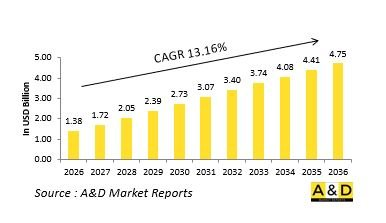
據估計,2026年全球防爆市場規模為13.8億美元,預計到2036年將達到47.5億美元,2026年至2036年的複合年增長率(CAGR)為13.16%。
引言
爆炸威脅仍然是現代衝突的一個顯著特徵,因此防爆已成為現代國防部隊的關鍵領域。軍事人員、車輛、基礎設施和關鍵資產越來越多地在簡易爆炸裝置(IED)、砲火和間接火力構成持續風險的環境中運作。爆炸防護涵蓋一系列旨在減輕衝擊波、彈片和超壓對人員和裝備影響的解決方案。其重要性不僅限於前線作戰,還延伸至維和行動、後勤車隊和基地安全行動。隨著作戰區域日益複雜且不可預測,各國軍隊正將生存能力和部隊防護作為作戰計畫的核心要素。爆炸防護解決方案正被整合到裝甲車輛、個人防護裝備、建築物和移動掩護中,體現了整體安全概念。對減少傷亡和維持作戰連續性的重視,已使爆炸防護從一種被動措施提升為一項戰略需求。這種日益增長的關注表明,生存能力直接影響士氣、作戰效能和部隊的長期可持續性。
科技對爆炸防護的影響
技術創新正透過先進材料和結構設計技術重塑爆炸防護。高性能複合材料和吸能材料正被越來越多地用於耗散爆炸能量和減少傳遞的衝擊力。多層裝甲系統結合了不同的材料特性,可同時應對多種威脅。計算模型和模擬工具使設計人員能夠在進行物理測試之前預測爆炸行為並優化防護結構。改進的製造流程使得防護解決方案更加輕巧、適應性更強,且性能不受影響。車輛車體形狀和結構加固旨在將爆炸波偏轉,從而提高乘員的生存能力。在個人防護方面,穿戴式材料的進步在保持高防護水平的同時,提高了舒適性和靈活性。模組化防護系統能夠根據特定任務快速升級和配置。這些技術發展提高了爆炸防護的有效性,同時增強了作戰靈活性並減輕了後勤負擔。
爆炸防護的關鍵驅動因素
在現代作戰環境中,持續暴露於爆炸威脅推動了對爆炸防護的需求。非對稱戰爭和城市作戰的興起增加了近距離遭遇爆炸物的可能性。軍事現代化努力強調提高人員和平台的生存能力。從近期衝突中汲取的經驗教訓凸顯了防護解決方案在減少傷亡和維持作戰能力方面的重要性。部隊防護政策優先考慮在巡邏、運輸和基地行動期間保護士兵。不斷擴大的維和與穩定行動也持續推高了對防爆基礎設施和車輛的需求。此外,不斷變化的威脅情勢要求採用能夠應對各種爆炸場景的適應性防護解決方案。訓練和理論的改變進一步強化了將爆炸防護融入平台設計和作戰計畫的重要性。這些因素確保了在整個國防規劃週期中對爆炸防護的持續關注。
爆炸防護的區域趨勢
區域安全環境對爆炸防護解決方案的採用和發展有顯著影響。北美軍隊正致力於研發先進材料和車輛防護,以支援遠徵作戰。歐洲軍隊優先考慮模組化防護系統,以滿足多國部署的需求。亞太地區的國防組織優先考慮能夠適應不同地形和城市環境的適應性解決方案。中東軍隊則致力於採取強而有力的防護措施,以應對高風險地區持續存在的爆炸威脅。非洲各國國防部隊正在擴大採用經濟高效且經久耐用的爆炸防護解決方案,以支援維和行動和內部安全行動。各區域都越來越重視本地製造和技術合作,以增強供應鏈的韌性。這些區域趨勢反映了全球為提高在爆炸威脅環境下的生存能力和作戰韌性所做的努力。
本報告分析了全球爆炸防護市場,提供了影響該市場的技術資訊、未來十年的預測以及區域趨勢。
目錄
防爆市場定義
防爆市場細分
按類型
按地區
按應用
十年市場展望
市場技術
全球市場預測
區域市場趨勢及預測
北美
驅動因素、限制因素及挑戰
PEST分析
市場預測及情境分析
主要公司
供應商層級概覽
公司基準分析
歐洲
中東
亞太地區
南美洲
國家分析
美國
國防項目
最新消息
專利
當前市場技術成熟度
市場預測與情境分析
加拿大
義大利
法國
德國
荷蘭
比利時
西班牙
瑞典
希臘
澳洲
南非洲
印度
中國
俄羅斯
韓國
日本
馬來西亞
新加坡
巴西
機會矩陣
專家意見
結論
航空與國防市場報告
The Global Blast Protection market is estimated at USD 1.38 billion in 2026, projected to grow to USD 4.75 billion by 2036 at a Compound Annual Growth Rate (CAGR) of 13.16% over the forecast period 2026-2036.

Introduction
Blast protection has become a critical focus area for modern defense forces as exposure to explosive threats remains a defining characteristic of contemporary conflict. Military personnel, vehicles, infrastructure, and critical assets increasingly operate in environments where improvised explosive devices, artillery impacts, and indirect fire pose constant risks. Blast protection encompasses a wide range of solutions designed to mitigate the effects of shockwaves, fragmentation, and overpressure on both human occupants and equipment. Its importance extends beyond frontline combat to include peacekeeping missions, logistics convoys, and base security operations. As operational theaters grow more complex and unpredictable, armed forces are prioritizing survivability and force protection as core elements of mission planning. Blast protection solutions are integrated into armored vehicles, personal protective equipment, buildings, and mobile shelters, reflecting a holistic approach to safety. The emphasis on reducing casualties and maintaining operational continuity has elevated blast protection from a reactive measure to a strategic requirement. This growing focus underscores the recognition that survivability directly influences morale, mission effectiveness, and long-term force sustainability.
Technology Impact in Blast Protection
Technological innovation is reshaping blast protection through advanced materials and structural design techniques. High-performance composites and energy-absorbing materials are increasingly used to dissipate blast energy and reduce transmitted forces. Layered armor systems combine different material properties to address multiple threat types simultaneously. Computational modeling and simulation tools enable designers to predict blast behavior and optimize protective structures before physical testing. Improved manufacturing processes allow for lighter and more adaptable protection solutions without compromising performance. Vehicle hull shaping and structural reinforcements are engineered to deflect blast waves away from occupants, enhancing survivability. In personal protection, advances in wearable materials improve comfort and mobility while maintaining high protection levels. Modular protection systems enable rapid upgrades and mission-specific configuration. These technological developments enhance the effectiveness of blast protection while supporting operational flexibility and reduced logistical burden.
Key Drivers in Blast Protection
The demand for blast protection is driven by persistent exposure to explosive threats across modern operational environments. Asymmetric warfare and urban operations increase the likelihood of close-range explosive encounters. Military modernization efforts emphasize improved survivability for both personnel and platforms. Lessons learned from recent conflicts highlight the importance of protective solutions in reducing casualties and preserving combat capability. Force protection policies prioritize safeguarding soldiers during patrols, transport, and base operations. The expansion of peacekeeping and stability missions also sustains demand for blast-resistant infrastructure and vehicles. Additionally, evolving threat profiles require adaptable protection solutions that can address diverse explosive scenarios. Training and doctrinal changes further reinforce the importance of integrating blast protection into platform design and operational planning. These drivers collectively ensure sustained attention to blast protection across defense planning cycles.
Regional Trends in Blast Protection
Regional security environments strongly influence the adoption and development of blast protection solutions. North American forces focus on advanced materials and vehicle-integrated protection to support expeditionary operations. European militaries emphasize modular protection systems that align with multinational deployment requirements. Asia-Pacific defense organizations prioritize adaptable solutions suitable for varied terrain and urban environments. Middle Eastern forces concentrate on robust protection measures to counter persistent explosive threats in high-risk areas. African defense forces increasingly adopt cost-effective and durable blast protection solutions to support peacekeeping and internal security missions. Across regions, there is a growing emphasis on local manufacturing and technology partnerships to enhance supply chain resilience. These regional trends reflect a global commitment to improving survivability and operational resilience in explosive-threat environments.
Key Blast Protection Program:
Cymat Technologies received a $510,000 order in late 2025 for underbelly blast-protection kits destined for Asian military vehicles, part of a larger $4-5 million contract covering 700 armored platforms. These aluminum foam-based solutions absorb explosive energy from improvised explosive devices and landmines, significantly improving crew survivability in asymmetric warfare environments. The technology represents evolving requirements for lightweight yet effective counter-IED systems across global defense forces.
Table of Contents
Blast protection Market - Table of Contents
Blast protection Market Definition
Blast protection Market Segmentation
By Type
By Region
By Application
10 Year Market Outlook
The 10-year market outlook would give a detailed overview of changing dynamics, technology adoption overviews and the overall market attractiveness is covered in this chapter.
Market Technologies
This segment covers the top 10 technologies that is expected to impact this market and the possible implications these technologies would have on the overall market.
Global Market Forecast
The 10-year market forecast of this market is covered in detailed across the segments which are mentioned above.
Regional Market Trends & Forecast
The regional market trends, drivers, restraints and Challenges of this market, the Political, Economic, Social and Technology aspects are covered in this segment. The market forecast and scenario analysis across regions are also covered in detailed in this segment. The last part of the regional analysis includes profiling of the key companies, supplier landscape and company benchmarking.
North America
Drivers, Restraints and Challenges
PEST
Market Forecast & Scenario Analysis
Key Companies
Supplier Tier Landscape
Company Benchmarking
Europe
Middle East
APAC
South America
Country Analysis
This chapter deals with the key defense programs in this market, it also covers the latest news and patents which have been filed in this market. Country level 10 year market forecast and scenario analysis are also covered in this chapter.
US
Defense Programs
Latest News
Patents
Current levels of technology maturation in this market
Market Forecast & Scenario Analysis
Canada
Italy
France
Germany
Netherlands
Belgium
Spain
Sweden
Greece
Australia
South Africa
India
China
Russia
South Korea
Japan
Malaysia
Singapore
Brazil
Opportunity Matrix
The opportunity matrix helps the readers understand the high opportunity segments in this market.
Expert Opinions
Hear from our experts their opinion of the possible outlook for this market.
Conclusions
About Aviation and Defense Market Reports
List of Tables
- Table 1: 10 Year Market Outlook, 2026-2036
- Table 2: Drivers, Impact Analysis, North America
- Table 3: Restraints, Impact Analysis, North America
- Table 4: Challenges, Impact Analysis, North America
- Table 5: Drivers, Impact Analysis, Europe
- Table 6: Restraints, Impact Analysis, Europe
- Table 7: Challenges, Impact Analysis, Europe
- Table 8: Drivers, Impact Analysis, Middle East
- Table 9: Restraints, Impact Analysis, Middle East
- Table 10: Challenges, Impact Analysis, Middle East
- Table 11: Drivers, Impact Analysis, APAC
- Table 12: Restraints, Impact Analysis, APAC
- Table 13: Challenges, Impact Analysis, APAC
- Table 14: Drivers, Impact Analysis, South America
- Table 15: Restraints, Impact Analysis, South America
- Table 16: Challenges, Impact Analysis, South America
- Table 17: Scenario Analysis, Scenario 1, By Region, 2026-2036
- Table 18: Scenario Analysis, Scenario 1, By Type, 2026-2036
- Table 19: Scenario Analysis, Scenario 1, By Application, 2026-2036
- Table 20: Scenario Analysis, Scenario 2, By Region, 2026-2036
- Table 21: Scenario Analysis, Scenario 2, By Type, 2026-2036
- Table 22: Scenario Analysis, Scenario 2, By Application, 2026-2036
List of Figures
- Figure 1: Global Blast Protection Market Forecast, 2026-2036
- Figure 2: Global Blast Protection Market Forecast, By Type, 2026-2036
- Figure 3: Global Blast Protection Market Forecast, By Region, 2026-2036
- Figure 4: Global Blast Protection Market Forecast, By Application, 2026-2036
- Figure 5: North America, Blast Protection Market, Market Forecast, 2026-2036
- Figure 6: Europe, Blast Protection Market, Market Forecast, 2026-2036
- Figure 7: Middle East, Blast Protection Market, Market Forecast, 2026-2036
- Figure 8: APAC, Blast Protection Market, Market Forecast, 2026-2036
- Figure 9: South America, Blast Protection Market, Market Forecast, 2026-2036
- Figure 10: United States, Blast Protection Market, Technology Maturation, 2026-2036
- Figure 11: United States, Blast Protection Market, Market Forecast, 2026-2036
- Figure 12: Canada, Blast Protection Market, Technology Maturation, 2026-2036
- Figure 13: Canada, Blast Protection Market, Market Forecast, 2026-2036
- Figure 14: Italy, Blast Protection Market, Technology Maturation, 2026-2036
- Figure 15: Italy, Blast Protection Market, Market Forecast, 2026-2036
- Figure 16: France, Blast Protection Market, Technology Maturation, 2026-2036
- Figure 17: France, Blast Protection Market, Market Forecast, 2026-2036
- Figure 18: Germany, Blast Protection Market, Technology Maturation, 2026-2036
- Figure 19: Germany, Blast Protection Market, Market Forecast, 2026-2036
- Figure 20: Netherlands, Blast Protection Market, Technology Maturation, 2026-2036
- Figure 21: Netherlands, Blast Protection Market, Market Forecast, 2026-2036
- Figure 22: Belgium, Blast Protection Market, Technology Maturation, 2026-2036
- Figure 23: Belgium, Blast Protection Market, Market Forecast, 2026-2036
- Figure 24: Spain, Blast Protection Market, Technology Maturation, 2026-2036
- Figure 25: Spain, Blast Protection Market, Market Forecast, 2026-2036
- Figure 26: Sweden, Blast Protection Market, Technology Maturation, 2026-2036
- Figure 27: Sweden, Blast Protection Market, Market Forecast, 2026-2036
- Figure 28: Brazil, Blast Protection Market, Technology Maturation, 2026-2036
- Figure 29: Brazil, Blast Protection Market, Market Forecast, 2026-2036
- Figure 30: Australia, Blast Protection Market, Technology Maturation, 2026-2036
- Figure 31: Australia, Blast Protection Market, Market Forecast, 2026-2036
- Figure 32: India, Blast Protection Market, Technology Maturation, 2026-2036
- Figure 33: India, Blast Protection Market, Market Forecast, 2026-2036
- Figure 34: China, Blast Protection Market, Technology Maturation, 2026-2036
- Figure 35: China, Blast Protection Market, Market Forecast, 2026-2036
- Figure 36: Saudi Arabia, Blast Protection Market, Technology Maturation, 2026-2036
- Figure 37: Saudi Arabia, Blast Protection Market, Market Forecast, 2026-2036
- Figure 38: South Korea, Blast Protection Market, Technology Maturation, 2026-2036
- Figure 39: South Korea, Blast Protection Market, Market Forecast, 2026-2036
- Figure 40: Japan, Blast Protection Market, Technology Maturation, 2026-2036
- Figure 41: Japan, Blast Protection Market, Market Forecast, 2026-2036
- Figure 42: Malaysia, Blast Protection Market, Technology Maturation, 2026-2036
- Figure 43: Malaysia, Blast Protection Market, Market Forecast, 2026-2036
- Figure 44: Singapore, Blast Protection Market, Technology Maturation, 2026-2036
- Figure 45: Singapore, Blast Protection Market, Market Forecast, 2026-2036
- Figure 46: United Kingdom, Blast Protection Market, Technology Maturation, 2026-2036
- Figure 47: United Kingdom, Blast Protection Market, Market Forecast, 2026-2036
- Figure 48: Opportunity Analysis, Blast Protection Market, By Region (Cumulative Market), 2026-2036
- Figure 49: Opportunity Analysis, Blast Protection Market, By Region (CAGR), 2026-2036
- Figure 50: Opportunity Analysis, Blast Protection Market, By Type (Cumulative Market), 2026-2036
- Figure 51: Opportunity Analysis, Blast Protection Market, By Type (CAGR), 2026-2036
- Figure 52: Opportunity Analysis, Blast Protection Market, By Application (Cumulative Market), 2026-2036
- Figure 53: Opportunity Analysis, Blast Protection Market, By Application (CAGR), 2026-2036
- Figure 54: Scenario Analysis, Blast Protection Market, Cumulative Market, 2026-2036
- Figure 55: Scenario Analysis, Blast Protection Market, Global Market, 2026-2036
- Figure 56: Scenario 1, Blast Protection Market, Total Market, 2026-2036
- Figure 57: Scenario 1, Blast Protection Market, By Region, 2026-2036
- Figure 58: Scenario 1, Blast Protection Market, By Type, 2026-2036
- Figure 59: Scenario 1, Blast Protection Market, By Application, 2026-2036
- Figure 60: Scenario 2, Blast Protection Market, Total Market, 2026-2036
- Figure 61: Scenario 2, Blast Protection Market, By Region, 2026-2036
- Figure 62: Scenario 2, Blast Protection Market, By Type, 2026-2036
- Figure 63: Scenario 2, Blast Protection Market, By Application, 2026-2036
- Figure 64: Company Benchmark, Blast Protection Market, 2026-2036
