


 |
市場調查報告書
商品編碼
1930530
全球突擊步槍市場(2026-2036)Global Assault Rifles Market 2026-2036 |
||||||

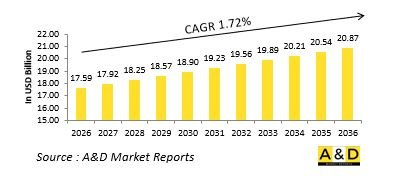
據估計,2026年全球突擊步槍市場規模為175.9億美元,預計到2036年將達到208.7億美元,2026年至2036年的複合年增長率(CAGR)為1.72%。
引言
突擊步槍仍然是步兵作戰能力的核心要素,並持續影響地面部隊在常規和非常規戰爭環境中的作戰方式。這些武器旨在兼顧火力、精度、耐用性和機動性,使其成為前線士兵的必備裝備。隨著軍事戰略朝著更靈活、更快速反應的方向發展,突擊步槍越來越被視為更廣泛的士兵系統中的組成部分,而非獨立武器。世界各國軍隊正在對傳統平台進行現代化改造,以滿足新的作戰需求,包括城市作戰、反叛亂、邊境安全和維和行動。對士兵生存能力和適應能力的日益重視,進一步提升了人體工學設計、極端環境下的可靠性以及與先進配件的兼容性的重要性。各國政府也優先考慮供應鏈韌性和國內製造能力,以防止長期作戰行動中出現供應中斷。儘管先進的自主性和遠程系統不斷湧現,但突擊步槍憑藉其多功能性和易於部署的特點,仍然不可替代。它們持續的重要性凸顯了步兵部隊在保障和維護領土安全方面發揮的關鍵作用。
科技對突擊步槍的影響
技術進步正在徹底改變突擊步槍的設計和作戰角色,使其適應現代戰場的需求。模組化結構已成為其標誌性特徵,無需更換整個武器系統即可快速重新配置以適應各種作戰情況。輕質材料和精密製造技術的進步降低了武器的整體重量,同時保持了結構強度和可靠性。改進的槍管設計和後座力控制系統提高了射擊穩定性,從而在持續交戰中提高了精度。與光學瞄準鏡、熱成像設備和夜視系統的整合使其能夠在各種觀察條件下有效作戰。與士兵通訊和態勢感知系統的數位化相容性使突擊步槍轉變為網路化工具,增強了協作和回應能力。表面處理和耐腐蝕塗層延長了其在惡劣環境下的使用壽命,並降低了維護需求。支援效能監控和使用評估的智慧配件也有助於提高訓練和維護效率。總而言之,這些技術進步強化了突擊步槍作為適應性平台的作用,使其能夠根據現代作戰理論不斷發展。
突擊步槍的關鍵驅動因素
多種戰略和作戰因素持續推動全球對突擊步槍的需求。持續的地緣政治不穩定和國內安全挑戰凸顯了快速部署、裝備精良的步兵部隊的必要性。軍事現代化努力的重點是升級單兵裝備,以提高作戰效能和戰備水準。特種作戰部隊和快速反應部隊需要適應性強、機動性高、火力精準、近距離作戰能力強的武器。旨在促進國防製造自主性的國家政策正在加速突擊步槍的國內研發和許可審批。邊境安全和反恐行動也持續推動對可靠耐用輕武器的需求。訓練效率和後勤保障的簡單性也影響採購決策,各國軍隊優先考慮那些既能降低複雜性又能維持高效能的平台。此外,對人體工程學和士兵舒適度的日益重視也在影響武器設計偏好,以確保武器在長時間作戰中有效運作。這些因素確保了突擊步槍在現代軍隊中持續的戰略重要性。
本報告探索並分析了全球突擊步槍市場,提供了有關影響市場的技術、未來十年的預測以及區域趨勢的資訊。
目錄
突擊步槍市場報告定義
突擊步槍市場區隔
按地區
按應用
口徑
依操作模式
未來十年突擊步槍市場分析
突擊步槍市場技術
全球突擊步槍市場預測
區域突擊步槍市場趨勢及預測
北美
驅動因素、限制因素與挑戰
PEST分析
市場預測與情境分析
主要公司
供應商層級狀況
公司標竿分析
歐洲
中東
亞太地區
南美洲
突擊步槍市場國家細分分析
美國
國防項目
最新消息
專利
當前市場技術成熟度
市場預測與情境分析
加拿大
義大利
法國
德國
荷蘭
比利時
西班牙
瑞典
希臘
澳洲
南非
印度
中國
俄羅斯
韓國
日本
馬來西亞
新加坡
巴西
突擊步槍市場機會矩陣
專家對突擊步槍市場的看法報告
結論
關於航空與國防市場報告
The global Assault Rifle market is estimated at USD 17.59 billion in 2026, projected to grow to USD 20.87 billion by 2036 at a Compound Annual Growth Rate (CAGR) of 1.72% over the forecast period 2026-2036.

Introduction
Global assault rifles remain a core element of infantry combat capability and continue to define how ground forces operate across conventional and unconventional warfare environments. These weapons are designed to provide a balance of firepower, accuracy, durability, and maneuverability, making them indispensable for frontline soldiers. As military doctrines evolve toward flexible, rapid-response operations, assault rifles are increasingly viewed as integrated components of a broader soldier system rather than standalone firearms. Armed forces worldwide are modernizing legacy platforms to meet emerging operational needs such as urban warfare, counterinsurgency missions, border security, and peacekeeping deployments. The emphasis on soldier survivability and adaptability has reinforced the importance of ergonomic design, reliability in extreme climates, and compatibility with advanced accessories. Governments are also prioritizing supply chain resilience and domestic production capabilities to ensure uninterrupted availability during prolonged operations. Despite the rise of advanced autonomous and long-range systems, assault rifles remain irreplaceable due to their versatility and ease of deployment. Their continued relevance highlights the enduring role of infantry forces as the decisive element in securing and holding terrain.
Technology Impact in Assault Rifles
Technological progress has significantly reshaped the design and operational role of assault rifles, aligning them with modern battlefield requirements. Modular construction has become a defining feature, allowing rapid reconfiguration to suit different combat scenarios without replacing the entire weapon system. Advances in lightweight materials and precision manufacturing have reduced overall weapon weight while maintaining structural strength and reliability. Improved barrel engineering and recoil management systems enhance firing stability, supporting greater accuracy during sustained engagements. Integration with optical sights, thermal imaging devices, and night vision systems enables effective operation across varied visibility conditions. Digital compatibility with soldier communication and situational awareness systems is transforming assault rifles into network-enabled tools that enhance coordination and responsiveness. Surface treatments and corrosion-resistant finishes are extending operational life and reducing maintenance demands in harsh environments. Training and sustainment are also benefiting from smart accessories that support performance monitoring and usage assessment. These technological advancements collectively reinforce the role of assault rifles as adaptable platforms capable of evolving alongside modern combat doctrines.
Key Drivers in Assault Rifles
Several strategic and operational factors continue to drive global demand for assault rifles. Persistent geopolitical instability and internal security challenges underscore the necessity of well-equipped infantry forces capable of rapid deployment. Military modernization initiatives emphasize upgrading individual soldier equipment to improve combat effectiveness and operational readiness. Special operations and rapid reaction units require adaptable weapons optimized for mobility, precision, and close-quarter engagements. National policies promoting self-reliance in defense production are accelerating domestic development and licensed manufacturing of assault rifles. Border security operations and counterterrorism missions further sustain demand for reliable and durable small arms. Training efficiency and logistical simplicity also influence procurement decisions, as armed forces prioritize platforms that reduce complexity while maintaining high performance. Additionally, the growing focus on ergonomics and soldier comfort is shaping design preferences, ensuring weapons can be operated effectively during extended missions. These drivers collectively ensure the continued strategic importance of assault rifles within modern armed forces.
Regional Trends in Assault Rifles
Regional defense priorities strongly influence how assault rifles are developed, procured, and deployed worldwide. North America emphasizes continuous innovation, focusing on advanced integration with digital soldier systems and enhanced combat adaptability. European nations prioritize interoperability, standardization, and modernization in alignment with multinational defense cooperation initiatives. In the Asia-Pacific region, rising security concerns and force expansion programs are driving investments in modern infantry weapons tailored for diverse terrains. Middle Eastern countries focus on rugged and reliable systems suited for extreme environmental conditions and asymmetric conflict scenarios. African defense forces increasingly emphasize affordability, durability, and ease of maintenance to support varied operational requirements. Across regions, there is a growing trend toward local manufacturing, technology transfer, and customization to meet specific national needs. These regional variations highlight how assault rifle development reflects broader defense strategies and operational doctrines.
Key Assault Rifle Program:
The U.S. Army Contracting Command awarded Colt's Manufacturing Company LLC a $12.93 million firm-fixed-price contract for M4A1 carbines, suppressors, and flash hiders. The contract was issued to Colt's facility in West Hartford, Connecticut, with delivery required by June 30, 2026. This procurement supports Foreign Military Sales to Israel under Fiscal Year 2025 funding authorities. The M4A1 carbine a 5.56mm NATO selective-fire weapon featuring a 14.5-inch barrel and 30-round magazine capacity serves as the standard individual combat rifle for U.S. and allied forces. Colt will manufacture these rifles to strict military specifications with integrated suppressor compatibility to reduce acoustic signature during operations. The award reflects ongoing U.S. efforts to modernize allied infantry capabilities while sustaining domestic small arms production through established defense contractors. Deliveries will equip Israeli Defense Forces infantry units with enhanced close-quarters combat systems featuring improved sound suppression technology for tactical operations.
Table of Contents
Assault Rifles Market Report - Table of Contents
Assault Rifles Market Report Definition
Assault Rifles Market Segmentation
By Region
By Application
By Caliber
By Mode of Operation
Assault Rifles Market Analysis for next 10 Years
The 10-year assault rifles market analysis would give a detailed overview of assault rifles market growth, changing dynamics, technology adoption overviews and the overall market attractiveness is covered in this chapter.
Market Technologies of Assault Rifles Market
This segment covers the top 10 technologies that is expected to impact this market and the possible implications these technologies would have on the overall market.
Global Assault Rifles Market Forecast
The 10-year assault rifles market forecast of this market is covered in detailed across the segments which are mentioned above.
Regional Assault Rifles Market Trends & Forecast
The regional assault rifles market trends, drivers, restraints and Challenges of this market, the Political, Economic, Social and Technology aspects are covered in this segment. The market forecast and scenario analysis across regions are also covered in detailed in this segment. The last part of the regional analysis includes profiling of the key companies, supplier landscape and company benchmarking. The current market size is estimated based on the normal scenario.
North America
Drivers, Restraints and Challenges
PEST
Market Forecast & Scenario Analysis
Key Companies
Supplier Tier Landscape
Company Benchmarking
Europe
Middle East
APAC
South America
Country Analysis of Assault Rifles Market
This chapter deals with the key defense programs in this market, it also covers the latest news and patents which have been filed in this market. Country level 10 year market forecast and scenario analysis are also covered in this chapter.
US
Defense Programs
Latest News
Patents
Current levels of technology maturation in this market
Market Forecast & Scenario Analysis
Canada
Italy
France
Germany
Netherlands
Belgium
Spain
Sweden
Greece
Australia
South Africa
India
China
Russia
South Korea
Japan
Malaysia
Singapore
Brazil
Opportunity Matrix for Assault Rifles Market
The opportunity matrix helps the readers understand the high opportunity segments in this market.
Expert Opinions on Assault Rifles Market Report
Hear from our experts their opinion of the possible analysis for this market.
Conclusions
About Aviation and Defense Market Reports
List of Tables
- Table 1: 10 Year Market Outlook, 2026-2036
- Table 2: Drivers, Impact Analysis, North America
- Table 3: Restraints, Impact Analysis, North America
- Table 4: Challenges, Impact Analysis, North America
- Table 5: Drivers, Impact Analysis, Europe
- Table 6: Restraints, Impact Analysis, Europe
- Table 7: Challenges, Impact Analysis, Europe
- Table 8: Drivers, Impact Analysis, Middle East
- Table 9: Restraints, Impact Analysis, Middle East
- Table 10: Challenges, Impact Analysis, Middle East
- Table 11: Drivers, Impact Analysis, APAC
- Table 12: Restraints, Impact Analysis, APAC
- Table 13: Challenges, Impact Analysis, APAC
- Table 14: Drivers, Impact Analysis, South America
- Table 15: Restraints, Impact Analysis, South America
- Table 16: Challenges, Impact Analysis, South America
- Table 17: Scenario Analysis, Scenario 1, By Region, 2026-2036
- Table 18: Scenario Analysis, Scenario 1, By Application, 2026-2036
- Table 19: Scenario Analysis, Scenario 1, By Caliber, 2026-2036
- Table 20: Scenario Analysis, Scenario 1, By Mode of Operation, 2026-2036
- Table 21: Scenario Analysis, Scenario 2, By Region, 2026-2036
- Table 22: Scenario Analysis, Scenario 2, By Application, 2026-2036
- Table 23: Scenario Analysis, Scenario 2, By Caliber, 2026-2036
- Table 24: Scenario Analysis, Scenario 2, By Mode of Operation, 2026-2036
List of Figures
- Figure 1: Global Assault Rifles Market Forecast, 2026-2036
- Figure 2: Global Assault Rifles Market Forecast, By Region, 2026-2036
- Figure 3: Global Assault Rifles Market Forecast, By Application, 2026-2036
- Figure 4: Global Assault Rifles Market Forecast, By Caliber, 2026-2036
- Figure 5: Global Assault Rifles Market Forecast, By Mode of Operation, 2026-2036
- Figure 6: North America, Assault Rifles Market, Market Forecast, 2026-2036
- Figure 7: Europe, Assault Rifles Market, Market Forecast, 2026-2036
- Figure 8: Middle East, Assault Rifles Market, Market Forecast, 2026-2036
- Figure 9: APAC, Assault Rifles Market, Market Forecast, 2026-2036
- Figure 10: South America, Assault Rifles Market, Market Forecast, 2026-2036
- Figure 11: United States, Assault Rifles Market, Technology Maturation, 2026-2036
- Figure 12: United States, Assault Rifles Market, Market Forecast, 2026-2036
- Figure 13: Canada, Assault Rifles Market, Technology Maturation, 2026-2036
- Figure 14: Canada, Assault Rifles Market, Market Forecast, 2026-2036
- Figure 15: Italy, Assault Rifles Market, Technology Maturation, 2026-2036
- Figure 16: Italy, Assault Rifles Market, Market Forecast, 2026-2036
- Figure 17: France, Assault Rifles Market, Technology Maturation, 2026-2036
- Figure 18: France, Assault Rifles Market, Market Forecast, 2026-2036
- Figure 19: Germany, Assault Rifles Market, Technology Maturation, 2026-2036
- Figure 20: Germany, Assault Rifles Market, Market Forecast, 2026-2036
- Figure 21: Netherlands, Assault Rifles Market, Technology Maturation, 2026-2036
- Figure 22: Netherlands, Assault Rifles Market, Market Forecast, 2026-2036
- Figure 23: Belgium, Assault Rifles Market, Technology Maturation, 2026-2036
- Figure 24: Belgium, Assault Rifles Market, Market Forecast, 2026-2036
- Figure 25: Spain, Assault Rifles Market, Technology Maturation, 2026-2036
- Figure 26: Spain, Assault Rifles Market, Market Forecast, 2026-2036
- Figure 27: Sweden, Assault Rifles Market, Technology Maturation, 2026-2036
- Figure 28: Sweden, Assault Rifles Market, Market Forecast, 2026-2036
- Figure 29: Brazil, Assault Rifles Market, Technology Maturation, 2026-2036
- Figure 30: Brazil, Assault Rifles Market, Market Forecast, 2026-2036
- Figure 31: Australia, Assault Rifles Market, Technology Maturation, 2026-2036
- Figure 32: Australia, Assault Rifles Market, Market Forecast, 2026-2036
- Figure 33: India, Assault Rifles Market, Technology Maturation, 2026-2036
- Figure 34: India, Assault Rifles Market, Market Forecast, 2026-2036
- Figure 35: China, Assault Rifles Market, Technology Maturation, 2026-2036
- Figure 36: China, Assault Rifles Market, Market Forecast, 2026-2036
- Figure 37: Saudi Arabia, Assault Rifles Market, Technology Maturation, 2026-2036
- Figure 38: Saudi Arabia, Assault Rifles Market, Market Forecast, 2026-2036
- Figure 39: South Korea, Assault Rifles Market, Technology Maturation, 2026-2036
- Figure 40: South Korea, Assault Rifles Market, Market Forecast, 2026-2036
- Figure 41: Japan, Assault Rifles Market, Technology Maturation, 2026-2036
- Figure 42: Japan, Assault Rifles Market, Market Forecast, 2026-2036
- Figure 43: Malaysia, Assault Rifles Market, Technology Maturation, 2026-2036
- Figure 44: Malaysia, Assault Rifles Market, Market Forecast, 2026-2036
- Figure 45: Singapore, Assault Rifles Market, Technology Maturation, 2026-2036
- Figure 46: Singapore, Assault Rifles Market, Market Forecast, 2026-2036
- Figure 47: United Kingdom, Assault Rifles Market, Technology Maturation, 2026-2036
- Figure 48: United Kingdom, Assault Rifles Market, Market Forecast, 2026-2036
- Figure 49: Opportunity Analysis, Assault Rifles Market, By Region (Cumulative Market), 2026-2036
- Figure 50: Opportunity Analysis, Assault Rifles Market, By Region (CAGR), 2026-2036
- Figure 51: Opportunity Analysis, Assault Rifles Market, By Application (Cumulative Market), 2026-2036
- Figure 52: Opportunity Analysis, Assault Rifles Market, By Application (CAGR), 2026-2036
- Figure 53: Opportunity Analysis, Assault Rifles Market, By Caliber (Cumulative Market), 2026-2036
- Figure 54: Opportunity Analysis, Assault Rifles Market, By Caliber (CAGR), 2026-2036
- Figure 55: Opportunity Analysis, Assault Rifles Market, By Mode of Operation (Cumulative Market), 2026-2036
- Figure 56: Opportunity Analysis, Assault Rifles Market, By Mode of Operation (CAGR), 2026-2036
- Figure 57: Scenario Analysis, Assault Rifles Market, Cumulative Market, 2026-2036
- Figure 58: Scenario Analysis, Assault Rifles Market, Global Market, 2026-2036
- Figure 59: Scenario 1, Assault Rifles Market, Total Market, 2026-2036
- Figure 60: Scenario 1, Assault Rifles Market, By Region, 2026-2036
- Figure 61: Scenario 1, Assault Rifles Market, By Application, 2026-2036
- Figure 62: Scenario 1, Assault Rifles Market, By Caliber, 2026-2036
- Figure 63: Scenario 1, Assault Rifles Market, By Mode of Operation, 2026-2036
- Figure 64: Company Benchmark, Assault Rifles Market, 2026-2036


