


 |
市場調查報告書
商品編碼
1904990
全球海軍平台維護、修理和大修 (MRO) 市場:2026-2036 年Global Defense MRO - Naval Platforms Market 2026-2036 |
||||||

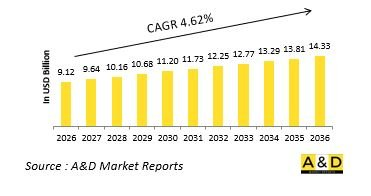
全球海軍平台 MRO 市場預計在 2026 年達到 91.2 億美元,預計到 2036 年將達到 143.3 億美元,2026 年至 2036 年的複合年增長率 (CAGR) 為 4.62%。
海軍 MRO 市場概況:
全球海軍平台維護、修理和大修 (MRO) 市場旨在應對軍艦、潛艇和支援艦艇在其長達數十年的服役期內所面臨的獨特挑戰。海軍MRO涵蓋了從例行碼頭維護和在役維修到大型乾船塢翻新、中期現代化改造以及複雜的潛艇大修週期等所有作業。該領域需要考慮許多因素,例如腐蝕性海洋環境、專用推進系統(包括核動力系統)、先進作戰系統以及大型艦艇的航空整合。市場結構包括海軍造船廠(公立和私人)、原始設備製造商(OEM)服務團隊和專業船舶工程公司,所有這些機構都必須在嚴格的安全、保全和環境法規下運作。海軍MRO尤其需要長期規劃,並且需要對專用基礎設施(例如乾船塢、起重機和測試設施)進行大量資本投資。
MRO-海軍市場中的技術影響:
海軍MRO的技術進步主要集中在檢測方法、維修技術和規劃工具方面。水下無人機和遙控潛水器(ROV)無需靠泊即可對船體和螺旋槳進行詳細檢查。先進的無損檢測方法,包括相控陣超音波檢測和數位射線照相,提高了厚船體鋼板和關鍵焊接缺陷檢測的精度。雷射掃描技術產生精確的船艙三維模型,以輔助改裝規劃和零件製造。機器人系統可在狹小空間內執行危險任務,例如油箱清洗和焊接維修。數位孿生技術可對整個船舶系統進行建模,預測維護需求並優化塢修週期。擴增實境系統可指導技術人員在擁擠的機艙內完成複雜的組裝和維修程序。這些技術有助於提高工作質量,減少船舶停機時間,並提高在充滿挑戰的海上維護環境中作業人員的安全。
海軍MRO市場的主要驅動因素:
地緣政治競爭正在推動海軍的擴張和現代化計劃,隨著艦隊規模的擴大和老化,MRO需求顯著增長。海軍艦艇的使用壽命(通常為30-50年)需要多次重大翻新才能保持作戰能力並整合新技術。日益頻繁的駐防任務、航行自由巡邏和演習,加速了艦艇的磨損和維護需求。不斷演變的環境、安全和網路安全標準的監管要求,促使艦艇在其整個生命週期內進行定期升級。預算限制了新艦艇的建造,迫使各國海軍投入巨資,透過全面的維護、修理和大修(MRO)計畫來延長現有艦艇的使用壽命。此外,艦艇數量減少而艦艇能力提升的趨勢,加劇了單艘艦艇無法運作對作戰的影響,凸顯了高效且可預測的MRO執行的重要性。
按地區劃分的海軍MRO市場趨勢:
海軍MRO能力與各地區的造船業和戰略海事優先事項密切相關。北美擁有大型公共海軍造船廠,與私營部門的能力形成互補,尤其是在複雜的核潛艇大修方面。歐洲各國正在北約框架內透過設施共享和標準化程序來加強海軍MRO合作。在亞太地區,隨著中國、印度和韓國等國不斷擴充海軍艦隊和配套的維護基礎設施,相關能力正在迅速發展。中東國家正在投資建造海軍維護、修理和大修(MRO)設施,以支持其日益增長的區域海軍雄心,同時減少對外國的依賴。南美國家正致力於透過國際技術合作,維護其規模有限但具有重要戰略意義的潛艦和護衛艦能力。一些小島國正在發展維護與專屬經濟區保護任務相關的巡邏艇的專業知識。
主要國防維修、修理與大修(MRO)-海軍工程:
總部位於韓國的HJ造船株式會社(HJSC)已確認,其已獲得美國海軍供應系統司令部(NAVSUP)和軍事海運司令部(MSC)授予的中期維護(MTA)合同,負責維護4萬噸級的劉易斯與克拉克級乾貨和彈藥運輸艦“阿米莉亞·艾爾哈特”(USNS Amelia Airhart)。此合約涵蓋定期維護和保養活動,以確保艦艇的作戰準備狀態和任務能力。
這份合約標誌著HJSC自正式進入美國海軍維護、修理和大修(MRO)領域以來取得的首個實質成果。戰略補給艦的MTA合約的授予,展現了HJSC日益增強的可靠性和技術能力,符合美國海軍的嚴格標準。 "阿米莉亞/埃爾哈特號" 在補給行動中發揮關鍵作用,負責向艦隊單位運輸彈藥、補給品和乾貨,為海軍的後勤保障提供支援。
這份合約對HJSC具有更廣泛的戰略意義,其影響遠超其直接的營運範圍。它確立了HJSC作為美國海軍後勤支援框架中新興國際服務提供者的地位,並標誌著HJSC在支持美國海軍後勤需求方面,對盟國造船廠的開放態度日益增強。這也反映了全球夥伴關係在海軍維護、維修和大修 (MRO) 活動中日益重要的作用,而這種作用的驅動力是不斷擴大的艦隊規模以及在地理分散的作戰區域內不斷增長的維護需求。
目錄
國防 MRO - 海軍平台市場報告定義
國防 MRO - 海軍平台市場細分
按地區
按元件
按艦艇類型
未來十年國防 MRO - 海軍平台市場分析
本章將對未來十年國防 MRO - 海軍平台市場進行分析,詳細概述其成長情況、發展趨勢、技術應用概況以及整體市場吸引力。
國防MRO(維修、修理與大修)市場技術-海軍平台市場
本部分討論了預計將影響該市場的十大技術,以及這些技術可能對整體市場產生的影響。
全球國防MRO-海軍平台市場預測
以上各部分詳細涵蓋了該市場未來十年的國防MRO-海軍平台市場預測。
區域國防MRO-海軍平台市場趨勢與預測
本部分涵蓋了區域國防MRO(海軍平台)市場的趨勢、驅動因素、限制因素、挑戰以及政治、經濟、社會和技術因素。此外,還提供了詳細的區域市場預測和情境分析。區域分析最後包括主要公司概況、供應商狀況和公司基準分析。目前市場規模是基於一切照舊情境估算的。
北美
驅動因素、限制因素與挑戰
PEST分析
市場預測與情境分析
主要公司
供應商層級結構
公司標竿分析
歐洲
中東
亞太地區
南美洲
國防MRO(海軍平台市場)國家分析
本章涵蓋該市場的主要國防項目以及最新的市場新聞和專利申請。此外,本章也提供國家層級的十年市場預測和情境分析。
美國
國防項目
最新消息
專利
當前市場技術成熟度
市場預測與情境分析
加拿大
義大利
法國
德國
荷蘭
比利時
西班牙
瑞典
希臘
澳洲
南非
印度
中國
俄羅斯
南非韓國
日本
馬來西亞
新加坡
巴西
國防MRO - 海軍平台市場機會矩陣
機會矩陣幫助讀者了解該市場中高機會細分領域。
關於國防MRO - 海軍平台市場報告的專家意見
本報告總結了我們專家對此市場分析潛力的意見。
結論
關於航空與國防市場報告
The Global MRO-Naval market is estimated at USD 9.12 billion in 2026, projected to grow to USD 14.33 billion by 2036 at a Compound Annual Growth Rate (CAGR) of 4.62% over the forecast period 2026-2036.
Introduction to MRO-Naval Market:
The Global Defense Maintenance, Repair, and Overhaul (MRO) market for Naval Platforms addresses the unique challenges of sustaining warships, submarines, and support vessels through their multi-decade service lives. Naval MRO encompasses everything from routine dockside maintenance and voyage repairs to extensive dry-dock refurbishments, mid-life modernizations, and complex submarine overhaul cycles. This sector must account for corrosive marine environments, specialized propulsion systems (including nuclear), sophisticated combat systems, and the integration of aviation facilities on larger vessels. The market structure involves naval shipyards (both public and privatized), OEM service teams, and specialized marine engineering firms operating within stringent safety, security, and environmental regulations. Naval MRO represents particularly long planning horizons and substantial capital investment in specialized infrastructure like dry docks, cranes, and testing facilities.
Technology Impact in MRO-Naval Market:
Technological advancement in naval MRO focuses on inspection methodologies, repair techniques, and planning tools. Underwater drones and remotely operated vehicles enable detailed hull and propeller inspections without dry-docking. Advanced non-destructive testing methods-including phased array ultrasonics and digital radiography-improve defect detection in thick hull plating and critical welds. Laser scanning creates precise 3D models of ship compartments to support modification planning and parts fabrication. Robotic systems perform hazardous tasks like tank cleaning and weld repair in confined spaces. Digital twin technology models entire vessel systems to predict maintenance needs and optimize dry-dock periods. Augmented reality systems guide technicians through complex assembly and repair procedures in crowded machinery spaces. These technologies enhance work quality, reduce vessel immobilization time, and improve worker safety in challenging maritime maintenance environments.
Key Drivers in MRO-Naval Market:
Geopolitical competition driving naval expansion and modernization programs generates substantial MRO demand as fleets grow and age simultaneously. Extended service lives of naval vessels-often 30-50 years-necessitate multiple major refurbishment cycles to maintain operational capability and integrate new technologies. Increasing operational tempos for presence missions, freedom of navigation patrols, and exercises accelerate wear and maintenance requirements. Regulatory compliance with evolving environmental, safety, and cybersecurity standards mandates regular upgrades throughout vessel lifecycles. Budget constraints that limit new construction force navies to invest more heavily in extending existing hulls through comprehensive MRO programs. Additionally, the trend toward fewer but more capable vessels increases the operational impact of any single ship being unavailable, raising the premium on efficient, predictable MRO execution.
Regional Trends in MRO-Naval Market:
Naval MRO capabilities correlate closely with regional shipbuilding industries and strategic maritime priorities. North America maintains extensive public naval shipyards supplemented by private sector capacity, particularly for complex nuclear submarine overhaul. European nations increasingly collaborate on naval MRO through shared facilities and standardized procedures within NATO frameworks. The Asia-Pacific region shows rapid capability development as countries like China, India, and South Korea expand both naval fleets and supporting maintenance infrastructure. Middle Eastern nations invest in naval MRO facilities to support growing regional naval ambitions while reducing dependence on foreign support. South American countries focus on sustaining limited but strategically important submarine and frigate capabilities through international technical partnerships. Small island nations develop specialized expertise in patrol boat maintenance relevant to their exclusive economic zone protection missions.
Key Defense MRO-Naval Program:
South Korea-based HJ Shipbuilding & Construction (HJSC) confirmed the signing of a Mid-Term Availability (MTA) contract with the U.S. Navy's Naval Supply Systems Command (NAVSUP) and the Military Sealift Command (MSC) for the USNS Amelia Earhart, a 40,000-ton Lewis and Clark-class dry cargo and ammunition vessel. The agreement covers scheduled maintenance and sustainment activities aimed at ensuring the vessel's operational readiness and mission availability.
This contract represents HJSC's first concrete milestone following its formal entry into the U.S. Navy maintenance, repair, and overhaul domain. Securing an MTA assignment for a strategic logistics vessel underscores the company's growing credibility and technical capability in meeting stringent U.S. Navy standards. The Amelia Earhart plays a vital role in replenishment operations, supporting sustained naval deployments by transporting ammunition, provisions, and dry cargo to fleet units.
Beyond its immediate operational scope, the agreement holds broader strategic significance for HJSC. It positions the company as an emerging international service provider within the U.S. naval sustainment ecosystem and signals increasing openness to allied shipyards supporting U.S. naval logistics requirements. The contract also reflects the expanding role of global partnerships in naval MRO activities, particularly as fleet sizes grow and maintenance demands increase across geographically dispersed theaters of operation.
Table of Contents
Defense MRO - Naval Platforms Market Report Definition
Defense MRO - Naval Platforms Market Segmentation
By Region
By Component
By Vessel Type
Defense MRO - Naval Platforms Market Analysis for next 10 Years
The 10-year Defense MRO - Naval Platforms Market analysis would give a detailed overview of Defense MRO - Naval Platforms Market growth, changing dynamics, technology adoption overviews and the overall market attractiveness is covered in this chapter.
Market Technologies of Defense MRO - Naval Platforms Market
This segment covers the top 10 technologies that is expected to impact this market and the possible implications these technologies would have on the overall market.
Global Defense MRO - Naval Platforms Market Forecast
The 10-year Defense MRO - Naval Platforms Market forecast of this market is covered in detailed across the segments which are mentioned above.
Regional Defense MRO - Naval Platforms Market Trends & Forecast
The regional Defense MRO - Naval Platforms Market trends, drivers, restraints and Challenges of this market, the Political, Economic, Social and Technology aspects are covered in this segment. The market forecast and scenario analysis across regions are also covered in detailed in this segment. The last part of the regional analysis includes profiling of the key companies, supplier landscape and company benchmarking. The current market size is estimated based on the normal scenario.
North America
Drivers, Restraints and Challenges
PEST
Market Forecast & Scenario Analysis
Key Companies
Supplier Tier Landscape
Company Benchmarking
Europe
Middle East
APAC
South America
Country Analysis of Defense MRO - Naval Platforms Market
This chapter deals with the key defense programs in this market, it also covers the latest news and patents which have been filed in this market. Country level 10 year market forecast and scenario analysis are also covered in this chapter.
US
Defense Programs
Latest News
Patents
Current levels of technology maturation in this market
Market Forecast & Scenario Analysis
Canada
Italy
France
Germany
Netherlands
Belgium
Spain
Sweden
Greece
Australia
South Africa
India
China
Russia
South Korea
Japan
Malaysia
Singapore
Brazil
Opportunity Matrix for Defense MRO - Naval Platforms Market
The opportunity matrix helps the readers understand the high opportunity segments in this market.
Expert Opinions on Defense MRO - Naval Platforms Market Report
Hear from our experts their opinion of the possible analysis for this market.
Conclusions
About Aviation and Defense Market Reports
List of Tables
- Table 1: 10 Year Market Outlook, 2025-2035
- Table 2: Drivers, Impact Analysis, North America
- Table 3: Restraints, Impact Analysis, North America
- Table 4: Challenges, Impact Analysis, North America
- Table 5: Drivers, Impact Analysis, Europe
- Table 6: Restraints, Impact Analysis, Europe
- Table 7: Challenges, Impact Analysis, Europe
- Table 8: Drivers, Impact Analysis, Middle East
- Table 9: Restraints, Impact Analysis, Middle East
- Table 10: Challenges, Impact Analysis, Middle East
- Table 11: Drivers, Impact Analysis, APAC
- Table 12: Restraints, Impact Analysis, APAC
- Table 13: Challenges, Impact Analysis, APAC
- Table 14: Drivers, Impact Analysis, South America
- Table 15: Restraints, Impact Analysis, South America
- Table 16: Challenges, Impact Analysis, South America
- Table 17: Scenario Analysis, Scenario 1, By Region, 2025-2035
- Table 18: Scenario Analysis, Scenario 1, By MRO Type, 2025-2035
- Table 19: Scenario Analysis, Scenario 1, By Platform, 2025-2035
- Table 20: Scenario Analysis, Scenario 2, By Region, 2025-2035
- Table 21: Scenario Analysis, Scenario 2, By MRO Type, 2025-2035
- Table 22: Scenario Analysis, Scenario 2, By Platform, 2025-2035
List of Figures
- Figure 1: Global Defense MRO - Naval Platforms Market Forecast, 2025-2035
- Figure 2: Global Defense MRO - Naval Platforms Market Forecast, By Region, 2025-2035
- Figure 3: Global Defense MRO - Naval Platforms Market Forecast, By MRO Type, 2025-2035
- Figure 4: Global Defense MRO - Naval Platforms Market Forecast, By Platform, 2025-2035
- Figure 5: North America, Defense MRO - Naval Platforms Market, Market Forecast, 2025-2035
- Figure 6: Europe, Defense MRO - Naval Platforms Market, Market Forecast, 2025-2035
- Figure 7: Middle East, Defense MRO - Naval Platforms Market, Market Forecast, 2025-2035
- Figure 8: APAC, Defense MRO - Naval Platforms Market, Market Forecast, 2025-2035
- Figure 9: South America, Defense MRO - Naval Platforms Market, Market Forecast, 2025-2035
- Figure 10: United States, Defense MRO - Naval Platforms Market, Technology Maturation, 2025-2035
- Figure 11: United States, Defense MRO - Naval Platforms Market, Market Forecast, 2025-2035
- Figure 12: Canada, Defense MRO - Naval Platforms Market, Technology Maturation, 2025-2035
- Figure 13: Canada, Defense MRO - Naval Platforms Market, Market Forecast, 2025-2035
- Figure 14: Italy, Defense MRO - Naval Platforms Market, Technology Maturation, 2025-2035
- Figure 15: Italy, Defense MRO - Naval Platforms Market, Market Forecast, 2025-2035
- Figure 16: France, Defense MRO - Naval Platforms Market, Technology Maturation, 2025-2035
- Figure 17: France, Defense MRO - Naval Platforms Market, Market Forecast, 2025-2035
- Figure 18: Germany, Defense MRO - Naval Platforms Market, Technology Maturation, 2025-2035
- Figure 19: Germany, Defense MRO - Naval Platforms Market, Market Forecast, 2025-2035
- Figure 20: Netherland, Defense MRO - Naval Platforms Market, Technology Maturation, 2025-2035
- Figure 21: Netherland, Defense MRO - Naval Platforms Market, Market Forecast, 2025-2035
- Figure 22: Belgium, Defense MRO - Naval Platforms Market, Technology Maturation, 2025-2035
- Figure 23: Belgium, Defense MRO - Naval Platforms Market, Market Forecast, 2025-2035
- Figure 24: Spain, Defense MRO - Naval Platforms Market, Technology Maturation, 2025-2035
- Figure 25: Spain, Defense MRO - Naval Platforms Market, Market Forecast, 2025-2035
- Figure 26: Sweden, Defense MRO - Naval Platforms Market, Technology Maturation, 2025-2035
- Figure 27: Sweden, Defense MRO - Naval Platforms Market, Market Forecast, 2025-2035
- Figure 28: Brazil, Defense MRO - Naval Platforms Market, Technology Maturation, 2025-2035
- Figure 29: Brazil, Defense MRO - Naval Platforms Market, Market Forecast, 2025-2035
- Figure 30: Australia, Defense MRO - Naval Platforms Market, Technology Maturation, 2025-2035
- Figure 31: Australia, Defense MRO - Naval Platforms Market, Market Forecast, 2025-2035
- Figure 32: India, Defense MRO - Naval Platforms Market, Technology Maturation, 2025-2035
- Figure 33: India, Defense MRO - Naval Platforms Market, Market Forecast, 2025-2035
- Figure 34: China, Defense MRO - Naval Platforms Market, Technology Maturation, 2025-2035
- Figure 35: China, Defense MRO - Naval Platforms Market, Market Forecast, 2025-2035
- Figure 36: Saudi Arabia, Defense MRO - Naval Platforms Market, Technology Maturation, 2025-2035
- Figure 37: Saudi Arabia, Defense MRO - Naval Platforms Market, Market Forecast, 2025-2035
- Figure 38: South Korea, Defense MRO - Naval Platforms Market, Technology Maturation, 2025-2035
- Figure 39: South Korea, Defense MRO - Naval Platforms Market, Market Forecast, 2025-2035
- Figure 40: Japan, Defense MRO - Naval Platforms Market, Technology Maturation, 2025-2035
- Figure 41: Japan, Defense MRO - Naval Platforms Market, Market Forecast, 2025-2035
- Figure 42: Malaysia, Defense MRO - Naval Platforms Market, Technology Maturation, 2025-2035
- Figure 43: Malaysia, Defense MRO - Naval Platforms Market, Market Forecast, 2025-2035
- Figure 44: Singapore, Defense MRO - Naval Platforms Market, Technology Maturation, 2025-2035
- Figure 45: Singapore, Defense MRO - Naval Platforms Market, Market Forecast, 2025-2035
- Figure 46: United Kingdom, Defense MRO - Naval Platforms Market, Technology Maturation, 2025-2035
- Figure 47: United Kingdom, Defense MRO - Naval Platforms Market, Market Forecast, 2025-2035
- Figure 48: Opportunity Analysis, Defense MRO - Naval Platforms Market, By Region (Cumulative Market), 2025-2035
- Figure 49: Opportunity Analysis, Defense MRO - Naval Platforms Market, By Region (CAGR), 2025-2035
- Figure 50: Opportunity Analysis, Defense MRO - Naval Platforms Market, By MRO Type (Cumulative Market), 2025-2035
- Figure 51: Opportunity Analysis, Defense MRO - Naval Platforms Market, By MRO Type (CAGR), 2025-2035
- Figure 52: Opportunity Analysis, Defense MRO - Naval Platforms Market, By Platform (Cumulative Market), 2025-2035
- Figure 53: Opportunity Analysis, Defense MRO - Naval Platforms Market, By Platform (CAGR), 2025-2035
- Figure 54: Scenario Analysis, Defense MRO - Naval Platforms Market, Cumulative Market, 2025-2035
- Figure 55: Scenario Analysis, Defense MRO - Naval Platforms Market, Global Market, 2025-2035
- Figure 56: Scenario 1, Defense MRO - Naval Platforms Market, Total Market, 2025-2035
- Figure 57: Scenario 1, Defense MRO - Naval Platforms Market, By Region, 2025-2035
- Figure 58: Scenario 1, Defense MRO - Naval Platforms Market, By MRO Type, 2025-2035
- Figure 59: Scenario 1, Defense MRO - Naval Platforms Market, By Platform, 2025-2035
- Figure 60: Scenario 2, Defense MRO - Naval Platforms Market, Total Market, 2025-2035
- Figure 61: Scenario 2, Defense MRO - Naval Platforms Market, By Region, 2025-2035
- Figure 62: Scenario 2, Defense MRO - Naval Platforms Market, By MRO Type, 2025-2035
- Figure 63: Scenario 2, Defense MRO - Naval Platforms Market, By Platform, 2025-2035
- Figure 64: Company Benchmark, Defense MRO - Naval Platforms Market, 2025-2035


